
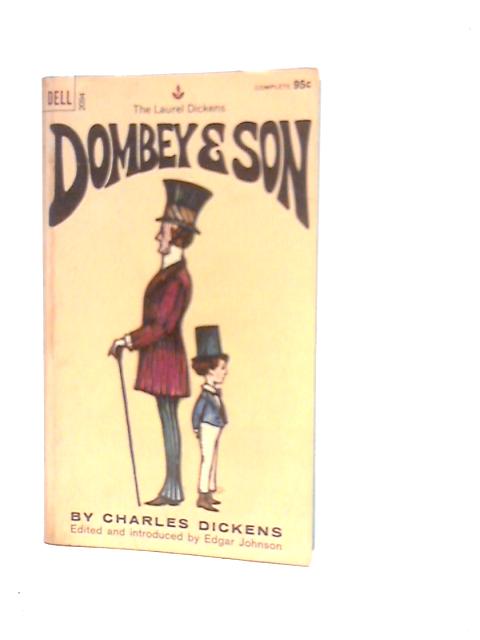
“Towards his first wife, Mr. Dombey, in his cold and lofty arrogance, had borne himself like the removed being he almost conceived himself to be. He had been “Mr. Dombey” with her when she first saw him, and he was “Mr. Dombey” when she died. He had asserted his greatness during their married life, and she had meekly recognized it. He had kept his distant state of seat on top oh his throne, and she her humble station on its lowest step; and much good it had done him, so to live in solitary bondage to his one idea. He had imagined he proud character of his second wife would have been added to his own – would have merged into it and exalted his greatness. He had pictured himself haughtier than ever, with Edith’s haughtiness subservient to his.”
Charles Dickens, “Dombey and Son”
 A Bird's Eye View of Fashion, Food, Travel, Culture, Beverage and Curiosity