
“Now the argument centres on him until the evening dishes line up beneath the dusky lamp-boiled beans, pickled vegetables, a stew of fish bones and scallions, and a rice tub smeared with dirty fingerprints. Gathered around their flimsy table, the family talk about uncle so-and-so, who showed up wanting to know the cost of Mother’s medicine in the spring. They talk about how the wife’s father lost his job. They talk about their everyday expenses. The family’s mouths were formed for only two purposes: to eat food and complain endlessly about the hardships of life. Whether they are impoverished or not it amounts to the same thing. The pure art of conversation for its own sake is lost on people like this. They have no need for language for anything other than seeking advice, complaining, harping on the same old stories and quarrelling.”
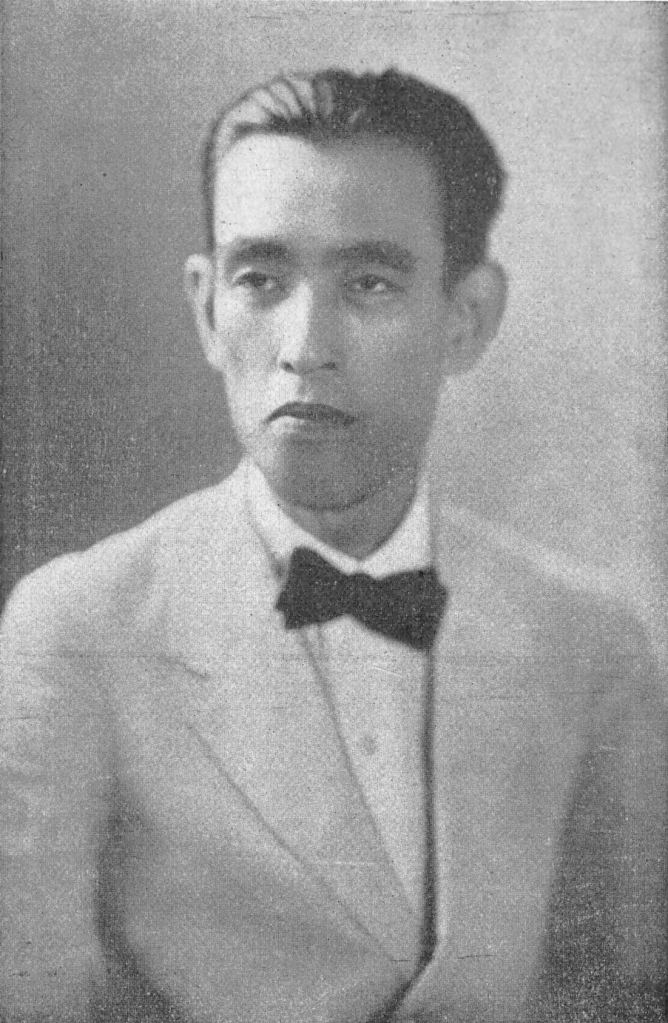
Nagai Kafū, “Behind the Prison”.

