
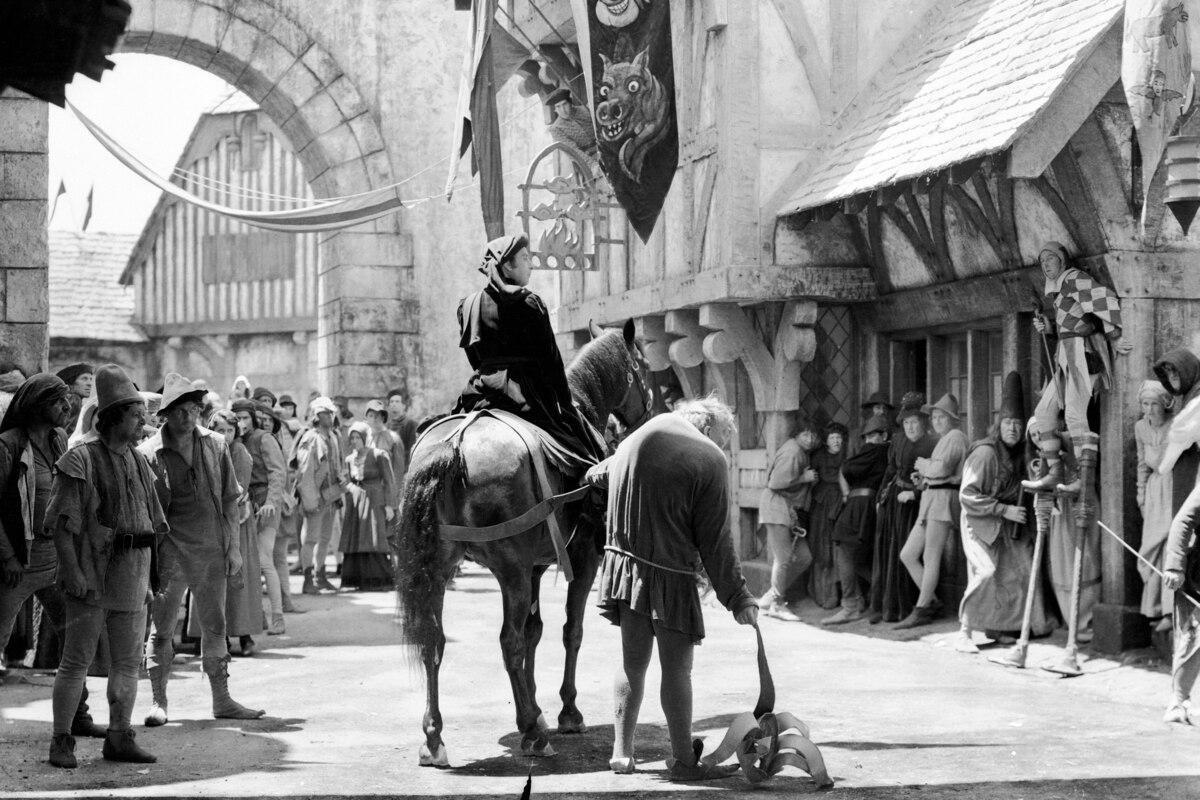
There was then no Gazette des Tribunaux; and as hardly a week passed in which there was not some counterfeiter to boil, some witch to hang, or some heretic to burn, at some of the numberless justices of Paris. People were so much accustomed to see at every crossway the ancient feudal Themis, bare armed, with sleeves turned up, doing her work at the gibbets, the whipping posts and pillories, that they hardly paid any heed to it. The aristocracy of that day scarcely knew the name of the victim that passed by at the corner of the street; and at most, it was only the populace that regaled itself with such coarse fare. An execution was a common incident in the public highways, like the baker’s braising pan or the butcher’s slaughter house. The executioner was but a sort of butcher of a little deeper dye than the rest.
Victor Hugo, “The Hunchback of Notre-Dame”

