
“His education was complete, and he was leaving newly armed, a philosopher soldier of the revolution, having declared war on the society he saw around him and condemned. In his delight at going to join Pluchart, at going to be Pluchart, a leader that was listened to, he started making speeches to himself rehearsing the phrases as he went. He considered how he might broaden his programme of objectives, for the bourgeois refinement that had taken him out of his own class had now made him hate the bourgeoisie even more, Discomfited by the workers’ reek of poverty, he felt the need to raise them up to glory and set a halo on their heads; he would show how they alone among human beings were great and unimpeachably pure, the sole font of nobility and strength from which humanity at large might draw the means of its own renewal. Already he could see himself addressing the Assembly, sharing in the triumph of the people-if the people did not destroy him first.”
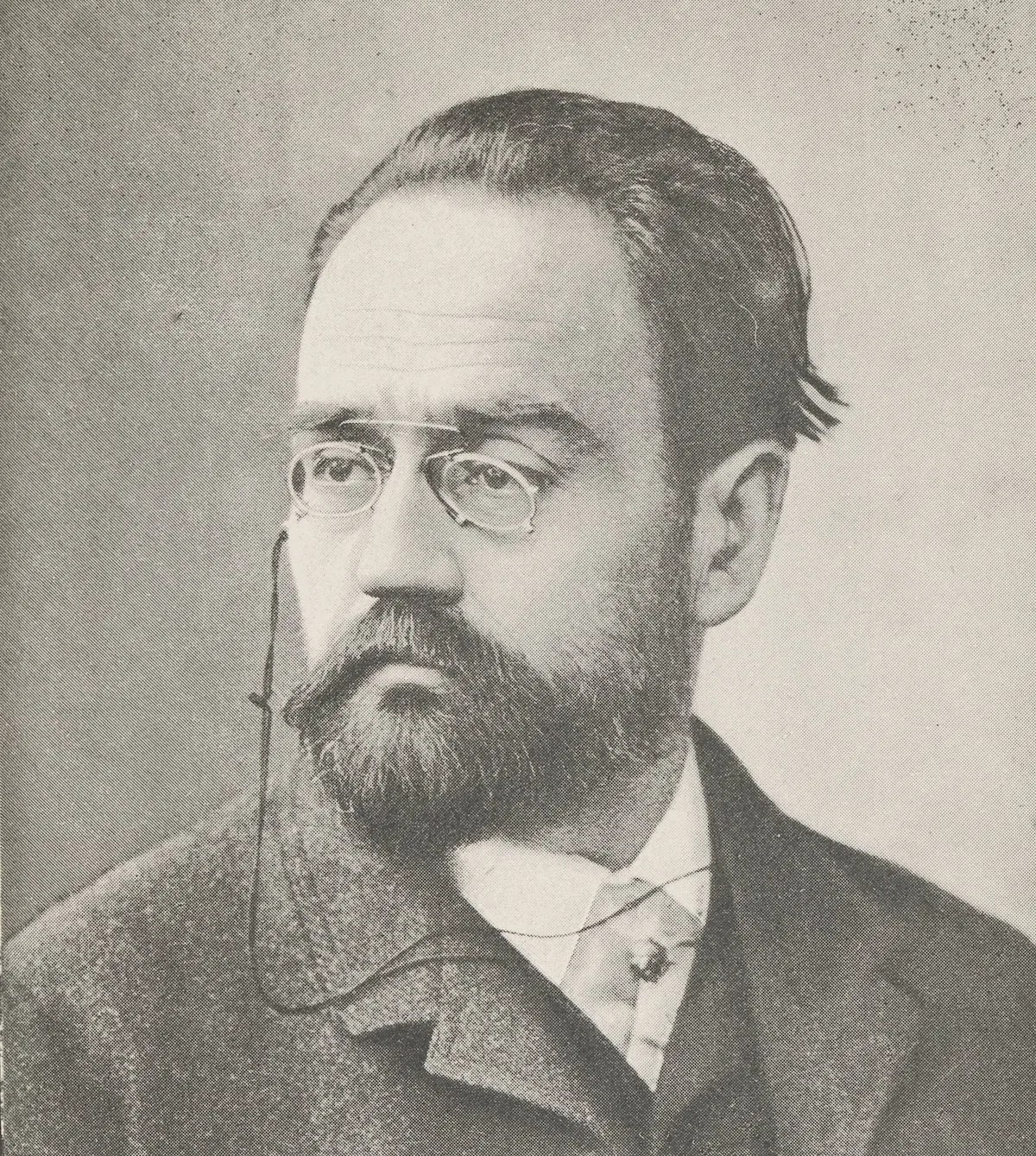
Émile Zola, “Germinal”, 1885.

