RKS Film: “Entre Nous” (Between Us): Harlequin Result? Non-Harlequin Journey?

So in a Harlequin scenario true love reigns? Where does true love reign between lesbians Élodie (Amandine Noworyta) and Laétitia (Iris Jodorowsky) and what role does a rather quirky Simon (William Mesguich) and his pet rat play in his attempt to break up the lesbian relationship?

Élodie and Laétitia are 30 something Parisian lesbians happily living together but a bit short on money so they take a magician Simon (and his pet rat) as roommates. Simon works as a magician in a gay nightclub and he pulls rats from his hat. He is a bit edgy and off standish initially but that ends when he transforms into a pushy and obsessed lesbian breaker upper. The clever magician impregnates Laétitia in a “test scenario” and the lesbian relationship implodes as Élodie leaves with papa Simon not for the man but the child! Rather weak writing here.

It is quite conceivable all three characters will die by suicide, poisoning or murder but damn it why didn’t Élodie spike Simon’s orange juice so fittingly with rat poison as after all he is more than simply a cad. He is a rat!

The movie could have ended in many ways. Death by rat poison. A suicidal fall. A deadly beating. Is it a Harlequin ending? Even if that was not the case a good cinematic French romantic voyage. Discrete and low keyed with a great soundtrack and occasionally wonderful cinematographic shots of the Narbonne region of France. No sleaze here just a couple tasteful romantic scenes that French cinema is so good at.

A good study of gender uncertainty, jealously, lust, obsession, abuse and stupidity.

“Entre Nous” is now available on DVD and VOD including iTunes, Amazon Prime Video, Google Play, Vudu, Vimeo and local cable and satellite providers.

You can see the trailer here https://www.youtube.com/watch?v=VXLYExuJvR4

Jude Bauman directs this French film with English subtitles.

RKS Film Rating 74/100.
RKS Wines: Tawse 2019 Spark Limestone Ridge Riesling

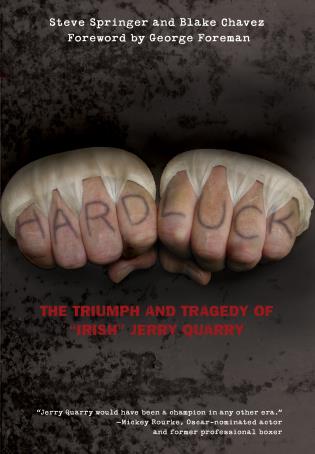
Quite literally Ontario Riesling leaves a sour taste in my mouth. But what happens when Ontario Riesling is used to make a sparkling wine. Could that be the Great Riesling Hope for Ontario? The Jerry Quarry of the Ontario Riesling boxing ring?  I suppose we should have Tawse speak for itself.

The label and the website do not state whether this is made in the Traditional Method so consider it made by the Tank Method. That disclosure on the label might be appreciated.

Loaded with a good bead of bubbles the aromas are apple, pear, caramel, guava, honey and Brioche. On the palate a good crisp bite of acidity with Flemish pear, sweet white grapefruit with a little wave of applesauce. So the wine is far from one of those non-descript sparkling wines that lets its acids speak more than the fruit.

The wine is organic.

I’ll be looking for more sparkling Ontario Riesling in 2023.

The wine would suit Malpeque Oysters beautifully

(Tawse 2019 Spark Limestone Ridge Riesling Brut, VQA Twenty Mile Bench, Tawse Winery Inc., Vineland, Ontario, $19.95, Liquor Control Board of Ontario # 370361, 750 mL,  12%, RKS Wine Rating 88/100).

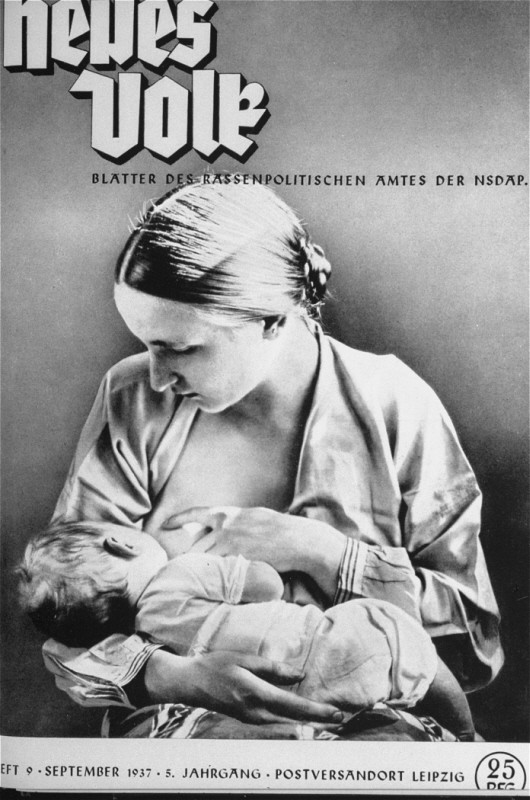
RKS History: Grumbling Housewives and the Gestapo

“The inapparent inability of the regime to guarantee either stable prices or a regular supply of daily necessities, including food and clothing, was deeply disconcerting. According to a Gestapo report, the popular mood in the autumn of 1934 was apathetic and gloomy. Irritation with the many petty restrictions of everyday life was widespread and outright protest was not far beneath the surface. As one report commented, ‘The housewives in the markets still hold their tongues. But if one of them protests-which happens quite often-nobody contradicts her.’ According to the Potsdam Gestapo office this was symptomatic of the repressed mood of frustration. Wherever crowds gathered in the autumn of 1934- in the queues at the labour exchanges, at bus stops-there was more or less open rebellion against the regime.”

“The Wages of Destruction: The Making and Breaking of the Nazi Economy” : Adam Tooze Penguin Books 2006

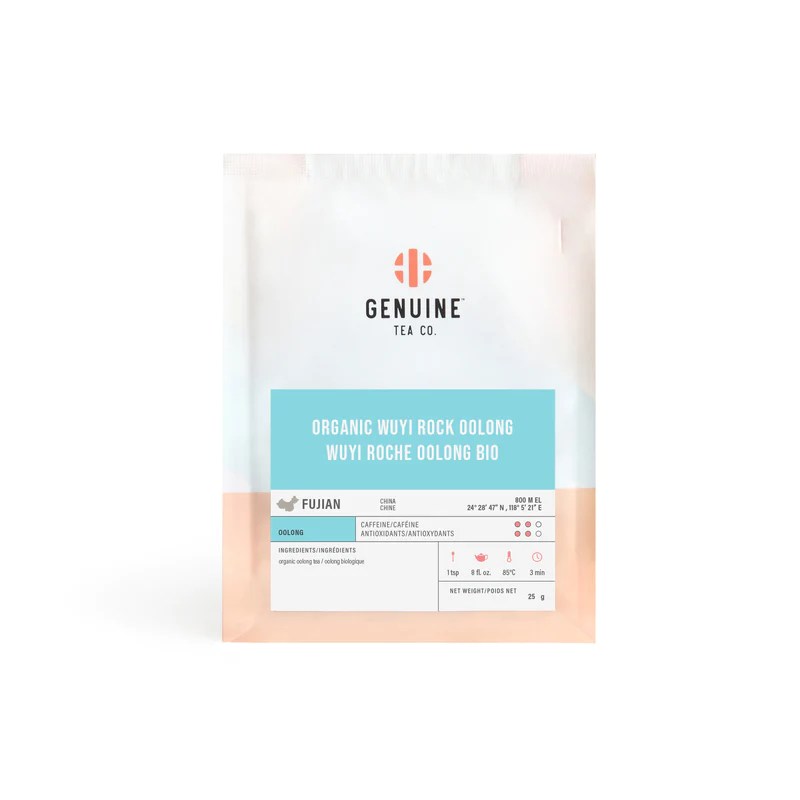
RKS The Tea Meister: Organic Wuyi Rock Oolong from Genuine Tea in Toronto

Also known as Da Hong Pao or “big red robe” this rock oolong from the Wuyi Mountains of Fujian province is a truly unique dark oolong. It is said that the mother of the Emperor in the Ming Dynasty was very ill but after drinking this tea was cured, the Emperor then sent big red robes to clothe the tea bushes as a sign of admiration.

Rock Oolong has a unique flavour and hints at a black tea while still being considered an Oolong. It has heavily oxidized to around 75-80% and exudes notes of roasted mushrooms, whole wheat toast, marmalade, barley, brown rice and orange peels. On the palate a smooth tea low in tannins and acids with notes of mushroom broth and Greaves apricot jam.

$12.95 per 25 grams.

Region: Fujian, China | Elevation: 800m
Serving: 3g | Temp: 85C | Steep time: 3min
Ingredients: organic oolong tea

RKS Literature: Passage of the Day: The Death of a Child

“When a child dies, there is no land to be handed down, hardly any possessions to be divided up, no job or role unfulfilled, no debts that need be paid off. A child is a small sun that shines in the shadow of its parents, and when the sun goes out there is darkness only for the parents. “

Yann Martel: “The High Mountains of Portugal”: Vintage Canada 2016

RKS Literature: Passage of the Day: Living our Own Murder Mystery

“The sad fact is that there are no natural deaths, despite what doctors say. Every death is felt by someone as a murder, as the unjust taking of a loved being. And even the luckiest of us will encounter one murder in our lives: our own. It is our fate. We all live a murder mystery of which we are the victim.”

Yann Martel: “The High Mountains of Portugal”: Vintage Canada 2016

RKS Wine: Wine in a Can: Malivoire Lady Bug Rosé

Malivoire was kind enough to send me a few cans of Lady Bug Rosé. Yes, I said “cans”. Wine in a can is not something to suffer anxiety from however a few years ago when wine in a can was even more novel than it is now a producer sent me three different types of canned wine and all three were suffering from the “fizzies” through a flawed canning process. The next batch was flawless. So there is a science to canning wine!

There is also a science to lady bugs which are cute but are laden with stinky type of chemicals called methoxypyrazines and when those cute little insects are crushed in with the grapes those nasty stinking chemicals are released into the wine causing “ladybug taint”. Some say it gives a peanut flavour to a tainted wine.

So “Lady Bug” perhaps is a gutsy name to give a wine! The Malivoire Lady Bug 2021 Rosé comes in an attractively designed 250 mL can with a cute ladybug part of the graphics.

As for aromatics cherry, raspberry, watermelon and raspberry Dreamwhip. On the palate the fruit is much more reticent than it is on the nose. This is a firm rosé where both tannins and acids are soft. I would say these characteristics make it a great foodie wine particularly with a roasted red pepper cream sauce over fettucine egg noodles.

As luck would have it 12 cans are on sale for $59.40 and 24 cans for $118 and a 750 mL bottle retails for $17.95. The bottle is relatively ubiquitous on Liquor Control Board of Ontario shelves but the cans may be way more difficult to find so contacting the winery may be the best way to order cans. Cans do have a utilitarian purpose on summer picnics and times where simply a glass will do.

(Malivoire Lady Bug 2021 Rosé, VQA Niagara Peninsula, The Malivoire Wine Company, Beamsville, Ontario, RKS Wine Rating 88/100).

RKS History: A Jewish Escape Route from Nazi Germany: The Haavara Transfer

“The Haavara Transfer involved a transaction between the Reich’s authorities and a group of Zionist businesses based at the Hanotea orange plantation in Natania just outside of Tel Aviv. Whereas the British mandate restricted immigration (to Palestine) by applicants without financial means, anyone equipped with at least 1,000 Palestinian pounds was granted free entry under a so called “capitalist visa”. The Haavara Transfer was designed to take advantage of this loophole. The scheme operated by allowing German Jews to make payments into a fund in Berlin in exchange for certificates crediting them with sufficient Palestinian pounds to allow them to obtain the coveted visa. Hanotea for its part used the funds deposited in Berlin to buy German goods for export to Palestine. The emigrants were reimbursed in Palestinian pounds when German goods were sold to Jewish or Arab customers. In effect, the arrangement ensured that every Reichsmark of capital exported by a German-Jewish emigrant was matched by a compensating export order….Haavara became one the most efficient means for Jews to export capital from Germany, In total 50,000 people, one tenth of the German Jewish population in 1933 were able to use the scheme to make good their escape. “

The Wages of Destruction: The Making and Breaking of the Nazi Economy: Adam Tooze, Penguin Books 2006

“The Penniless Pensioner; Misaligned, Maligned but Marvellous” : Chapter 16 Eastern European Espionage

My work for the Central Intelligence Agency caused me no moral dilemma. My assignment was simply to be somewhat of an academic traveller. I was a student of Eastern European politics so I had every reason to be visiting Eastern Europe. I was to hang out in various universities in Eastern Europe and gauge the sentiment of students living behind the “Iron Curtain” about living there and their willingness to challenge the existing power structure. CIA operatives had already done the heavy lifting and I was simply adding a more “youthful” perspective to their findings. Over 3 summers “on vacation” I visited Bulgaria, Poland, Romania, Yugoslavia, Czechoslovakia, Hungary and Eastern Germany. I was a popular figure in many a university campus with my Frisbee and a healthy supply of blue jeans. Just about all students once familiar with me expressed their frustration of living in a “Marxist state” that never walked the talk. Special privileges for party members whether it be special shops with western consumer goods or the best holidays and flats. Making matters worse were the presence of Soviet troops “occupying” many Eastern European countries. There were small “party cadres” at some universities but the majority of students despised these “opportunists”.  

So all in all it was easy work. I was keeping an eye on corrupt governments and their student victims. I also gained invaluable academic knowledge about Eastern European regimes. Waiting regularly in lines for food was a common occurrence in several Eastern European countries and yes you could read about it in the comfort of a North American campus but to have to line up for a loaf of bread or chunk of cheese was one of those unique real-life experiences. On occasion I was tailed by local security forces but my movements were unhindered unlike in the Soviet Union where visitors had to be at certain destinations at certain times and regularly report to local police offices to “register” themselves.

It is amazing how many spaghetti dinners I cooked in student kitchens. Many had never had a spaghetti dinner before. Sometimes the ground horsemeat gave it a heavy flavour though.

RKS Literature: Passage of the Day: House Love

“Love is a house with many rooms, this room to feed the love, this one to entertain it, this one to clean it, this one to dress it, this one to allow it to rest, and each of the rooms can also just as well be the room for laughing or the room for listening or the room for telling one’s secrets or the room for sulking or the room for apologizing or the room for intimate togetherness, and, of course  there are rooms for the new members of the household. Love is a house in which plumbing brings bubbly new emotions every morning, and sewers flush out disputes, and bright windows open up to admit fresh air of renewed goodwill. “

Yann Martel “The High Mountains of Portugal”, Vintage Canada 2016.