“First We Eat”: A Lighthearted Film Takes on More Serious Overtones
The Canadian documentary “First We Eat” takes a rather amusing and lighthearted perspective on the challenges of eating locally particularly in Canada’s Yukon.
It was precipitated by a landslide that covered the only road into Dawson City. Grocery shelves were emptied in 48 hours. This caused Suzanne Croker to embark on a one- year project to only eat local. Her husband and three children were reluctant but, in the end, supportive. By day three Suzanne is exhausted and near tears. Making your own salt from plants and getting your drinking water from trees and making birch syrup is not an easy task. In fact, it is just about a full time job.
Crocker realized the family would not make it unless they obtained help from a group of hard nosed but supportive hunters and gatherers and the viewer is on a journey discovering a community of producers including dairy farmers, livestock producers and most interestingly Tr’ondëk Hwëch’in natives who have been living off the land for thousands of years although the younger generation has to “go back to school” and be trained on hunting and gathering. And such respect and veneration they have for the fish and animals they kill and where nothing is wasted. Suzanne notes her vegetarianism is on hold as the only source of protein was from fish and meat.
Crocker’s family accomplished Crocker’s goal an amazing feat where 97% of food is transported into Dawson City. There are moments of family agony and retching and gagging over terrible tasting food. Yet there is the triumph of making birch syrup, homemade yogurt, butter, cheese and moose beef and kidney pie amongst many other dishes. Soap berries or pig blood and milk smoothies anyone?
Crocker notes when you rely on outside sources for all your food you are in trouble. Crocker strongly believes in establishing a relationship with all the producers of her food to the point she knows where everything came from on the family’s plates.
As Crocker says, “Some of the challenges we faced are very much specific to the North, but the theme of food dependence is global. A community that depends on its food coming from elsewhere is extremely vulnerable. And I like to say that the North is the canary in the coalmine of food security.”
I try to eat local and it does take some effort but the produce I eat is fresher and not doused with preservatives and chemicals but if the pandemic spirals out of control I will not have to depend on grocery stores to the extent most people do. Never take for granted your food supply and give thanks to those who produce it and transport it to you.
In a way there is some similarity to a Canadian documentary I saw (the name of which escapes me) of a couple wanting to make a point that much of the food produced simply rots away as garbage so they lived off food from restaurant and grocery store dumpsters for a year.
Crocker is an acclaimed film maker and “First We Eat” is very well produced conveying an important message. It won the 2020 Audience Choice Award at the Toronto Hot Docs Festival. It has been playing throughout Canada including Cinema Parc in Montreal other virtual theatres are described here https://blueicedocs.com/stream/31/first-we-eat/.
If you have been exposed to an MBSR/MBCT course through a hospital which is quite often a step for people suffering from depression, anxiety or obsessive compulsive disorder mindfulness becomes a bland therapeutic tool focusing on a apparently simplistic tool of meditation focusing on the breath to give the mind a respite from what has upset it. At the end of the day it is therapeutic type of tool. Whether it be MBSR or MBCT in an institutional setting it really has very little soul. A constant Jon Kabat-Zin theme of being in the present moment in a non-judgemental fashion. Often boring body scan meditations. Breathe, breathe and think of nothing else but the breath. This has so much wisdom in it but having been at least 14 days of MBSR training at a local hospital I can say only a few really understood its significance .Nor is there any understanding of Buddhist or Daoist traditions that form the core of modern mindfulness.
Yes MBSR and MBCT arguably are simply tools. Like prescribing an anti-depressant MBSR/MBCT has become a “drug” to deal with stress and psychiatric disorders. I participate in, or used to before COVID, a monthly mindfulness group meeting headed by a psychiatrist at a local hospital. Yet try to talk about “being in the present moment” or “feeling as one” during meditation really no one understands these concepts. That is a shame to see that mindfulness may be just another RX script. A new nondrug drug. The way I see it taught within the hospital situation is that mindfulness is about a state of mind and not a state of how to live mindfully.
Now if it works to reduce or control stress and psychiatric conditions bravo!
But mindfulness living requires more than a technical sophistry if one wants to take that path. Should there be a value-based mindfulness? By this I mean a conscious attempt to import certain values into a mindful practice. Arguably if one becomes aware of these values isn’t one mindful of them?
Can we move beyond that shallow technical application of head towards a value-based mindfulness that involves principles of living and relating that involves more than a quick and dirty meditation that frees the mind from adverse reactions to life?
Perhaps this is something we should delve into? Are there principles of mindfulness that take us beyond the quick and dirty technical use of mindfulness and shape our lives to a more rich and rewarding intellectual existence beyond that trite “living in the present moment” expression. Well it is not that trite but in my experience it is trite as MBSR participants have absolutely no or little understanding of how it feels and how it means.
Yet should we have a cup of “mindful tea” wearing our mindful T-shirts. Or should we be suckered in by employers offering mindful courses to perhaps exploit and manipulate their employees. Hey, the employer says, we gave you the tools to manage stress so let’s put more responsibility on how as after all you have been “trained” to handle stress.
Let us delve deeper into what mindful living might encompass. Coming up a discussion on the 16 guidelines of life.
(The author is certified in mindfulness by the University of Toronto and the University of Leiden.)
In times of crises, we tend to look to technology to increase efficiency and reduce costs. Previous crises have boosted digital transformation and the current corona pandemic is no different. Digital transformation means replacing existing practices with more advanced digital technology to become more efficient. It can involve many technologies, but currently, Artificial Intelligence and big data are driving much of the transformation.
It has been shown that companies that adopt quickly and decisively in times of crises to new paradigms, later reap the rewards. It’s not the moment to play it safe, on the contrary: now is the time to reassess your digital tech stack. Once we reach the post-pandemic era, newly implemented technologies will become the new norm. Taking an early digital leap will set your property ahead of your competitors when things take off again.
What technologies should I consider?
Let chatbots do the chatting
Artificial intelligence has been named as the most promising technology of the past few years. It’s clear that we will see a rapid increase in the use of AI in all sorts of platforms, messaging being no exception. AI-driven chatbots are a great tool to streamline guest communications, whether before, during or after their stay.
During the pandemic, we have acquired new digital habits, most of which include our mobile phones, like scanning QR codes for restaurant menus, video calling, not to mention a huge global uptake in messaging use. The post-pandemic guest will expect to be able to request services or ask questions through their usual messaging channels instead of having to queue at reception.
Automate and streamline workflows
Chatbots are a great way to start the digitalization of your guest communication. However, it is important that the processes that follow or precede the conversation are equally digitalized and streamlined. When a guest requests come in through your messaging platform, the right automated processes should be in place, so the requests immediately land into the right hands and it’s clearly understood what the next steps are.
Don’t wait, automate
Consider automating your reactive (incoming) but also your proactive (outgoing) communication. Send out the key information before arrival, so your guest can come prepared with the right expectations, and you can be well prepared for your guest. By proactively contacting your guests at key stages of their guest journey, you can detect any needs before they become issues and facilitate essential information.
Collect, analyze & learn from guest data
In this changing landscape it can be hard to pinpoint guest needs, which is where guest analytics can help you. To understand your new type of guests, analyze guest data by gathering information through messaging interactions and guest requests. Collect all your interactions and stays into one profile to better understand who your guests are and create smart guest lists for a more effective and segmented communication.
Learn about your guests’ needs and preferences by analyzing your incoming guest requests: what services or information do they request most, through what messaging channels, etc. Guest request data can also help you improve and streamline your operations by looking at what issues are reported most frequently, what are the root causes, are all issues resolved, how fast are they resolved, etc. Keeping track of guest data will allow you to adapt and better your strategies as the situation continues to evolve.
When you decide to introduce a chatbot into your organisation, keep in mind that for a successful digital communication strategy you need much more. They are a great starting point, but the rest of your operations should also be optimised and streamlined with the right technologies so you are well-prepared for what comes after the pandemic.
Berries are a good source of polyphenols, especially anthocyanins, micronutrients, and fiber. In epidemiological and clinical studies, these constituents have been associated with improved cardiovascular risk profiles. Human intervention studies using chokeberries, cranberries, blueberries, and strawberries (either fresh, or as juice, or freeze-dried), or purified anthocyanin extracts have demonstrated significant improvements in LDL oxidation, lipid peroxidation, total plasma antioxidant capacity, dyslipidemia, and glucose metabolism. Benefits were seen in healthy subjects and in those with existing metabolic risk factors. Underlying mechanisms for these beneficial effects are believed to include upregulation of endothelial nitric oxide synthase, decreased activities of carbohydrate digestive enzymes, decreased oxidative stress, and inhibition of inflammatory gene expression and foam cell formation. Though limited, these data support the recommendation of berries as an essential fruit group in a heart-healthy diet.Keywords: anthocyanins, berries, inflammation, lipid peroxidation, nitric oxideGo to:
INTRODUCTION
Consumption of fruits and vegetables has been correlated with decreased risks of cardiovascular disease (CVD). National health objectives reflected in Healthy People 2010 advocate increasing fruit consumption by more than 75% or to at least two servings per day in persons 2 years of age and older.1 Currently, only 32% of adults and 13% of adolescents meet this goal of fruit intake.2,3 Between the years 2000 and 2020 overall fruit consumption in the United States is anticipated to grow by 24–27%. This increase is attributed in part to an increase in per capita consumption, and in part to a predicted increase in the total consumers in the US market.4
The consumption of berry fruits and their contribution to improving cardiovascular health is a subject of considerable interest. The commonly consumed berries in the United States include blackberry, black raspberry, blueberry, cranberry, red raspberry, and strawberries. Less commonly consumed berries include acai, black currant, chokeberry, and mulberries. Berries are low in calories and are high in moisture and fiber. They contain natural antioxidants such as vitamins C and E, andmicronutrients such as folic acid, calcium, selenium, alpha and beta carotene, and lutein. Phytochemicals found in berries include polyphenols along with high proportions of flavonoids including anthocyanins and ellagitannins. Table 1 lists the commonly consumed berries and their selected nutrient and phytochemical composition as identified in the USDA food composition database.5,6 Anthocyanins comprise the largest group of natural, water-soluble, plant pigments and impart the bright colors to berry fruits7–10 and to flowers. Approximately 400 individual anthocyanins have been determined. They are generally more concentrated in the skins of fruits, especially berry fruits. However, red berry fruits, such as strawberries and cherries, also have anthocyanins in their flesh. Anthocyanin content is usually proportional to the color intensity and can range from 2 to 4 g/kg, increasing as the fruit ripens. Evidence suggests that Americans consume an average of 12.5–215 mg of anthocyanins per day.11 Studies have shown that berry anthocyanins are poorly bioavailable, are extensively conjugated in the intestines and liver, and are excreted in urine within 2–8 hours post consumption.12,13 Post-harvest processing, such as pressing, pasteurization, and conventional and vacuum drying, can significantly affect the polyphenol (including anthocyanin) and vitamin content of berries, and therefore their bioactivities and effects on CVD risk factors.14–16
Table 1
Berries with select nutrient and phytochemical profiles expressed in values per 100 g of edible portion.5,6
Abbreviation: NF, not found in the USDA food composition database.Go to:
EPIDEMIOLOGICAL OBSERVATIONS: BERRIES IN CARDIOVASCULAR HEALTH
Nutritional epidemiology provides convincing evidence of the cardioprotective effects of frequent consumption of fruits and vegetables high in fiber, micronutrients, and several phytochemicals.17–20 Data reported from the INTERHEART study, comprising dietary patterns from 52 countries, revealed a significant inverse association between the prudent dietary pattern high in fruits and vegetables, and risk of acute myocardial infarction.21 Evaluation of selected nutrients and food group intakes among 2,757 overweight US adults diagnosed with type 2 diabetes, which is an established risk factor of CVD, showed that less than 50% of subjects consumed the minimum recommended servings of fruits and vegetables.22 A comparative study between the US and French populations revealed significantly lower fruit and vegetable consumption among American men and women versus French adults.23 Analyses of 24-h recall data from the National Health and Nutrition Examination Survey (NHANES), 1999–2000, revealed that only 40% of Americans consumed five or more servings of fruits and vegetables per day.24 These data indicate a significant gap between the actual amounts of fruit and vegetable consumption and the recommended number of servings for the US population.25 Furthermore, NHANES (2001–2002) data reported the pattern of fruit intake among US adults, who mainly consumed apples, pears, and bananas, followed by melons, citrus fruits, and grapes.26 Thus, berries do not seem to be commonly consumed fruits by the US population in spite of their benefits, as documented in emerging nutrition and health research.
Studies have also reported specific associations between berries or berry flavonoids (anthocyanins) and cardiovascular health. Data reported from the Kuopio Ischemic Heart Disease Risk Factor Study (KIHD) showed a significantly lower risk of CVD-related deaths among 1,950 men in the highest quartile of berry intake (>408 g/day) versus men with the lowest intake (<133 g/day) during a mean follow-up of 12.8 years. These findings were based on a model adjusted for major CVD risk factors, which further showed an inverse correlation between intakes of fruits, berries, and vegetables and serum haptoglobin, a marker of inflammation.27 Post-menopausal women (n = 34,489) participating in the Iowa Women’s Health Study, showed a significant reduction in CVD mortality associated with strawberry intake during a 16-year follow-up period. In the case of blueberries, an age- and energy-adjusted model showed a significant decrease in coronary heart disease mortality, though the significance did not persist following adjustment for other confounding variables. For both strawberries and blueberries, the significant reduction in relative risk was associated with at least once per week consumption. The data also reported that a mean anthocyanin intake of 0.2 mg/day was associated with a significantly reduced risk of CVD mortality in these postmenopausal women.28
Female US health professionals enrolled in the Women’s Health Study (n = 38,176), a randomized controlled trial of low-dose aspirin and vitamin E, provided dietary information using a 131-item validated semi-quantitative food frequency questionnaire. Strawberry intake was described as “never” or “less than one serving per month” up to“6+ servings per day” of fresh, frozen, or canned strawberries. Analyses of baseline strawberry intake revealed that only 7.7% of subjects consumed greater than two servings of strawberries per week, whereas 42% of subjects reported an intake of 1–3 servings per month. During a follow-up period of approximately 11 years, a decreasing trend for CVD was observed for subjects consuming higher amounts of strawberries (P = 0.06). The study also showed a borderline significant risk reduction of elevated C-reactive protein (CRP) levels (≥3 mg/L) among women consuming higher amounts of strawberries (≥2 servings/week). Blueberry intake was also examined in the study and no significant association was reported with risks of CVD or CRP.29 Elevated CRP has been significantly associated with inflammation and is a high risk factor of CVD.30 Analyses of NHANES data (1999–2002) revealed a significant inverse association between serum CRP and anthocyanin intakes among US adults.31 These observational data suggest a potential anti-inflammatory role of berry flavonoids, which may contribute to overall reduction of CVD risk.Go to:
BERRIES AND CARDIOVASCULAR HEALTH: INTERVENTION STUDIES
As summarized in Table 2, a number of intervention studies have investigated the effects of acai berries, black currants, bilberries, boysenberries, blueberries, chokeberries, cranberries, lingonberries, raspberries, strawberries, and wolfberries in healthy human subjects or in subjects with CVD risk factors.32–51 The most significant outcomes of these clinical studies show an increase in plasma or urinary antioxidant capacity, a decrease in LDL oxidation and lipid peroxidation, a decrease in plasma glucose or total cholesterol, and an increase in HDL-cholesterol following berry intervention. Since elevated plasma glucose, lipids, and lipid oxidation have been associated with coronary artery disease (CAD),52,53 these data suggest the potential role of edible berries in ameliorating these risk factors. Of 20 trials reviewed, nine involved measures of post-prandial status, in which berry consumption was shown to significantly decrease postprandial oxidative stress, especially lipid peroxidation.32–35,37–39,42,48 Thus, dietary inclusion of berries may be an effective strategy to counteract postprandial metabolic and oxidative stresses that are associated with CAD.54 In addition, specific berries, such as bilberry and black currant extracts, chokeberry juice, cranberry extracts, and freeze-dried strawberries were shown to have favorable effects on plasma glucose or lipid profiles in subjects with metabolic risk factors including type 1 or type 2 diabetes mellitus, dyslipidemia, or metabolic syndrome.37,47,50,51 These studies ranged in duration from 4 to 12 weeks and used conventional berry products or purified anthocyanin extracts, suggesting that both these forms of delivery are effective. Berries were also shown to increase plasma antioxidant capacity36 and to decrease lipid peroxidation42 in smokers who are at high risk of developing CVD.55
100 g deep-frozen berries (bilberries, lingonberries, or black currants); 240 g berries in postprandial study
Increase in serum ascorbate (P < 0.05); slight decrease in LDL oxidation (P = 0.07), and slight increase in serum antioxidant capacity (P = 0.08) in berry group; decrease in LDL oxidation in postprandial study (P < 0.05)
Four successive 4-week phase (including 4-week run-in phase)
Placebo-controlled trial
Thirty healthy men (mean age, 51 ± 10 years)
Placebo juice (Ocean Spray Cranberries, Inc., USA); 500 mL/day
Increasing doses of cranberry juice cocktail (125, 250, 500 mL/day, Ocean Spray Cranberries, Inc., USA) during three successive 4-week periods
Increase in plasma HDL-cholesterol at the end of 4 weeks of 250 mL/day cranberry juice intake (P < 0.01); decreases in body weight, BMI, and waist circumference at the end of the study (P < 0.05)
Decrease in total and LDL-cholesterol and total:HDL-cholesterol ratio in cranberry versus placebo groups (P < 0.05); no effects on glucose or glycated hemoglobin
Placebo capsules (0.5 g each) prepared by mixing white potato flakes with a purplish food-coloring blend, redrying, grinding, and providing in vegetable-based capsules
120 mL juice blend containing acai berry, cranberry, blueberry, wolfberry, and bilberry in addition to other fruit juices
Increase in serum antioxidant status and inhibition of lipid peroxidation versus placebo (P < 0.03)
72 subjects with cardiovascular risk factors (mean age: control group, 58.4 ± 5.6 years; berry group, 57.5 ± 6.3 years)
One of four control products each day to match the energy intake in the berry group; 2 dL sugar-water, 100 g sweet semolina porridge, 100 g sweet rice porridge, or 40 g marmalade sweets
Two portions of berries daily; whole bilberries (100 g) and a nectar of 50 g crushed lingonberries every other day; black currant or strawberry puree (100 g, 80% black currants) and cold-pressed chokeberry and raspberry juice (0.7 dL, 80% chokeberry) on alternating days
Inhibition of platelet function; increase in HDL-cholesterol; decrease in systolic blood pressure in berry versus control group (P < 0.05)
Placebo capsules pullulan and maltodextrin (2 capsules twice daily)
Anthocyanin capsules 320 mg/day (2 capsules twice daily); 17 different natural purified anthocyanins from bilberry and black currant
Increased HDL-cholesterol, decreased LDL-cholesterol, decreased mass and activity of plasma cholesteryl ester transfer protein in anthocyanin group versus placebo (P < 0.05)
Of 20 trials conducted using different varieties of fresh and processed berry products, only two showed a significant decrease in systolic blood pressure: one was conducted in healthy men following cranberry juice supplementation46 and the other was in subjects with CVD risk factors following mixed berry supplementation.49 These data suggest a need for future studies on berry supplementation as a potential dietary therapy for the management of pre-hypertension or hypertension. Interestingly, none of these clinical studies showed any significant effect of berry intervention on biomarkers of inflammation, with the exception of a significant decrease in adhesion molecules following cranberry juice supplementation in healthy volunteers.46 This suggests a need to investigate the effects of cranberry intervention, per se or in combination with other berries, on adhesion molecules or inflammatory biomarkers such as C-reactive protein or interleukins in subjects with the pro-inflammatory conditions metabolic syndrome or diabetes mellitus.56,57Go to:
MECHANISMS: BERRIES, ENDOTHELIAL FUNCTION, AND ATHEROSCLEROSIS
Oxidative stress and inflammation play a pivotal role in the initiation and progression of atherosclerosis and CVD.58,59 Several lines of evidence indicate a role for berry anthocyanins in significantly decreasing oxidative damage and inflammation in cellular and animal models of CVD. Youdim et al. have reported the incorporation of elderberry anthocyanins by endothelial cells, following a 4-h incubation at a concentration of 1 mg/mL. In addition to the cellular bioavailability, elderberry anthocyanins significantly decreased cytotoxicity caused by chemical inducers of oxidative stress.60 Anthocyanins from blackberry extract were shown to protect against peroxynitrite-induced oxidative damage in human umbilical vein endothelial cells.61 Mulberry anthocyanins have also exhibited antioxidative and antiatherogenic affects, by inhibiting oxidation of LDL and formation of foamcells, respectively, in an in vitro model of atherosclerosis.62 Anthocyanins from berries commonly consumed in the United States, such as blueberries and cranberries, have been reported to reduce TNF-α induced upregulation of inflammatory mediators in human microvascular endothelial cells.63 In an 8-week study, DeFuria et al. have shown the attenuation of inflammatory gene expressions in male C57Bl/6j mice fed a high-fat diet supplemented with blueberry powder versus the unsupplemented group. This study also showed the protective effects of blueberries against insulin resistance and hyperglycemia, thus reducing the risk factors for CVD.64 In a rat model of prediabetes and hyperlipidemia, Jurgoski et al.65 further demonstrated decreased activities of inńtestinal mucosal disaccharidases (maltase and sucrose) following dietary supplementation with chokeberry fruit extract for 4 weeks. These animal and in vitro data show the potential of berries to ameliorate inflammation, glucose, and lipid abnormalities that contribute to CVD.
Nitric oxide (NO), when formed through activation of inducible nitric oxide synthase (iNOS), has proinflammatory effects, leading to increased vascular permeability, induction of inflammatory cytokines, and the formation of peroxynitrite, a strong oxidizing agent.66 Pergola et al. have reported inhibitory effects of the anthocyanin fraction of blackberry extract on NO biosynthesis in the murine monocyte/macrophage J774 cell line stimulated with lipopolysaccharide. The study also reported that blackberry anthocyanin extract inhibited inducible iNOS protein expression, thereby decreasing the inflammatory response in macrophages and inhibiting the formation of foam cells.67 While increased iNOS expression leads to the proinflammatory effects of NO, generation of NO by endothelial nitric oxide synthase (eNOS) plays a crucial role in maintaining cardiovascular homeostasis by favorably modulating blood pressure and reducing endothelial dysfunction. Xu et al. and Lazze et al. have reported the upregulation of eNOS by cyanidin-3-glucoside in bovine artery endothelial cells, and increased protein levels of eNOS by anthocyanin treatment (cyanidin and delphinidin) in human umbilical vein endothelial cells.68,69
Berry anthocyanins have also been shown to affect lipid metabolism in cellular and animal models of dyslipidemia. Administration of chokeberry juice for 30 days in rats fed a standard or 4% cholesterol-containing diet, showed the anti-hyperlipidemic effects of chokeberry juice in the cholesterol-fed group.70 Purified anthocyanins from blueberries and strawberries added to drinking water were shown to prevent the development of dyslipidemia and obesity in mice fed a high-fat diet for a period of 90 days.71 Anthocyanin treatment of human umbilical vein endothelial cells was further demonstrated to regulate cholesterol distribution by interfering with the recruitment of tumor necrosis factor receptor-associated factors (TRAF)-2 in lipid rafts, thereby inhibiting CD40-induced proinflammatory signaling.72
Thus, on the basis of these data, berry anthocyanins may exert cardioprotective effects by reducing oxidative stress and inflammation through effects on iNOS activity, interfering with carbohydrate digestion and reducing glucose absorption, favorably modulating dyslipidemia, and upregulating eNOS expression so as to maintain normal vascular function and blood pressure.Go to:
CONCLUSION
Berries are emerging as a dietary source of multiple compounds and nutrients, including anthocyanins, flavonols, vitamins, and fiber, that reduce CVD risk. While limited epidemiological data inversely associate consumption of berries with inflammation and CVD, these conclusions need to be strengthened in future case-control or cohort studies investigating the long-term health benefits of berries in specific populations. Clinical studies in healthy humans, subjects with diabetes mellitus, dyslipidemia, metabolic syndrome, hypertension, or in smokers, show a significant decrease in CVD risk factors, especially glucose, lipids and lipid peroxidation, and systolic blood pressure, following berry intervention. The principal mechanisms of action underlying the potential cardio-protective effects of berries include counteracting free radical generation, attenuating inflammatory gene expression, downregulating foam cell formation, and upregulating eNOS expression; through these effects, progression of atherosclerosis is slowed and normal vascular function and blood pressure are preserved. In light of the decrease in nutritional value that occurs during processing methods, including drying and pasteurization, consumption of fresh or frozen whole berries as part of a regular diet may be better than intake of juices or extracts, which do not have the same nutritional profiles as whole berries. Since some clinical studies have also found antidiabetic and antihyperlipidemic effects of encapsulated berry supplements, these forms may be suitable for the management of specific metabolic conditions.
Further rigorous, prospective studies are needed. These need to involve large patient populations with outcomes of berry intervention that include not only CVD biomarkers, but also “hard” cardiovascular and metabolic endpoints. Also, comparative human intervention studies should address the effects of whole berries versus purified berry anthocyanins, and any potential synergistic actions with other nutrients or medications. Such studies are readily conceived but expensive and challenging to conduct.Go to:
Acknowledgments
Funding. This work was supported, in part, by the University of Oklahoma Health Sciences Center General Clinical Research Center grant M01-RR14467, the National Center for Research Resources, and the National Institutes of Health.Go to:
Footnotes
Declaration of interest. Arpita Basu has received past and present support from US Highbush Blueberry Council, the Cranberry Institute, and the California Strawberry Commission for clinical trials. The content of this review does not necessarily reflect the views or policies of these agencies.Go to:
Contributor Information
Arpita Basu, Department of Nutritional Sciences, 301 Human Environmental Sciences, Oklahoma State University (OSU), Stillwater, Oklahoma, USA.
Michael Rhone, Department of Nutritional Sciences, 301 Human Environmental Sciences, Oklahoma State University (OSU), Stillwater, Oklahoma, USA.
Timothy J Lyons, Harold Hamm Oklahoma Diabetes Center, University of Oklahoma Health Sciences Center (OUHSC), Oklahoma City, Oklahoma, USA.Go to:
REFERENCES
1. Centers for Disease Control and Prevention. The Behavioral Risk Factor Surveillance System (BRFSS) Atlanta, USA: Centers for Disease Control and Prevention; 2007. [Google Scholar]2. Centers for Disease Control and Prevention. The Youth Risk Behavior Surveillance System (YRBSS) Atlanta: Centers for Disease Control and Prevention; 2007. [Google Scholar]3. United States Department of Agriculture. Economic Research Service: Agriculture Information Bulletin 792.7. Washington, DC: United States Department of Agriculture; 2004. [Google Scholar]4. Bakowska-Barczak A, Marianchuk M, Kolodziejckz P. Survey of bioactive components in Western Canadian berries. Can J Physiol Pharmacol. 2007;85:1139–1152. [PubMed] [Google Scholar]5. Agricultural Research Services. National Nutrient Database for Standard Reference Service Release 22. Beltsville, MD: Agricultural Research Services, United States Department of Agriculture; 2009. [Google Scholar]6. Agricultural Research Services. Database for the Flavonoid Content of Selected Foods Release 2.1, 2007. Beltsville, MD: Agricultural Research Services, United States Department of Agriculture; 2007. [Google Scholar]7. Wojdyio A, Oszmianski J, Bober I. The effect of chokeberry, flowering quince fruits and rhubarb juice to strawberry jams on their polyphenol content, antioxidant activity and colour. Eur Food Res Technol. 2008;227:1043–1051. [Google Scholar]8. Veberic R, Jakopic J, Stampar F, Schmitzer V. European elderberry (Sambucus nigra L.) rich in sugars, organic acids, anthocyanins and selected polyphenols. Food Chem. 2009;114:511–515. [Google Scholar]9. Hollands W, Brett G, Radreau P, et al. Processing blackcurrants dramatically reduces the content and does not enhance the urinary yield of anthocyanins in human subjects. Food Chem. 2008;108:869–878. [PubMed] [Google Scholar]10. Wu X, Beecher G, Holden JM, Haytowitz DB, Gebhardt SE, Prior RL. Concentrations of anthocyanins in common foods in the United States and estimation of normal consumption. J Agric Food Chem. 2006;54:4069–4075. [PubMed] [Google Scholar]11. Manach C, Scalbert A, Morand C, Remsey C, Jimenez L. Polyphenols: food sources and bioavailability. Am J Clin Nutr. 2004;79:727–747. [PubMed] [Google Scholar]12. Kroon P, Clifford M, Crozier A, et al. How should we assess the effects of exposure to dietary polyphenols in vitro. Am J Clin Nutr. 2004;80:15–21. [PubMed] [Google Scholar]13. Netzel M, Strass G, Kaul C, et al. In vivo antioxidative capacity of a composite berry juice. Food Res Int. 2002;35:213–216. [Google Scholar]14. Srivastava A, Akoh CC, Yi W, Fischer J, Krewer G. Effect of storage conditions on the biological activity of phenolic compounds of blueberry extract packed in glass bottles. J Agric Food Chem. 2007;55:2705–2713. [PubMed] [Google Scholar]15. Hartmann A, Patz CD, Andlauer W, Dietrich H. Ludwig M. Influence of processing on quality parameters of strawberries. J Agric Food Chem. 2008;56:9484–9489. [PubMed] [Google Scholar]16. Wojdyło A, Figiel A, Oszmiański J. Effect of drying methods with the application of vacuum microwaves on the bioactive compounds, color, and antioxidant activity of strawberry fruits. J Agric Food Chem. 2009;57:1337–1343. [PubMed] [Google Scholar]17. Liu S, Manson JE, Lee IM, et al. Fruit and vegetable intake and risk of cardiovascular disease: the Women’s Health Study. Am J Clin Nutr. 2000;72:922–928. [PubMed] [Google Scholar]18. Joshipura KJ, Hu FB, Manson JE, et al. The effect of fruit and vegetable intake on risk for coronary heart disease. Ann Intern Med. 2001;134:1106–1114. [PubMed] [Google Scholar]19. Bazzano LA, He J, Ogden LG, et al. Fruit and vegetable intake and risk of cardiovascular disease in US adults: the first National Health and Nutrition Examination Survey Epidemiologic Follow-up Study. Am J Clin Nutr. 2002;76:93–99. [PubMed] [Google Scholar]20. Holt EM, Steffen LM, Moran A, et al. Fruit and vegetable consumption and its relation to markers of inflammation and oxidative stress in adolescents. J Am Diet Assoc. 2009;109:414–421. [PMC free article] [PubMed] [Google Scholar]21. Iqbal R, Anand S, Ounpuu S, et al. INTERHEART Study Investigators. Dietary patterns and the risk of acute myocardial infarction in 52 countries: results of the INTERHEART study. Circulation. 2008;118:1929–1937. [PubMed] [Google Scholar]22. Vitolins MZ, Anderson AM, Delahanty L, et al. Look AHEAD Research Group. Action for Health in Diabetes (Look AHEAD) trial: baseline evaluation of selected nutrients and food group intake. J Am Diet Assoc. 2009;109:1367–1375. [PMC free article] [PubMed] [Google Scholar]23. Tamers SL, Agurs-Collins T, Dodd KW, Nebeling L. US and France adult fruit and vegetable consumption patterns: an international comparison. Eur J Clin Nutr. 2009;63:11–17. [PubMed] [Google Scholar]24. Guenther PM, Dodd KW, Reedy J, Krebs-Smith SM. Most Americans eat much less than recommended amounts of fruits and vegetables. J Am Diet Assoc. 2006;106:1371–1379. [PubMed] [Google Scholar]25. Casagrande SS, Wang Y, Anderson C, Gary TL. Have Americans increased their fruit and vegetable intake? The trends between 1988 and 2002. Am J Prev Med. 2007;32:257–263. [PubMed] [Google Scholar]26. Bachman JL, Reedy J, Subar AF, Krebs-Smith SM. Sources of food group intakes among the US population, 2001–2002. J Am Diet Assoc. 2008;108:804–814. [PubMed] [Google Scholar]27. Rissanen TH, Voutilainen S, Virtanen JK, et al. Low intake of fruits, berries and vegetables is associated with excess mortality in men: the Kuopio Ischaemic Heart Disease Risk Factor (KIHD) Study. J Nutr. 2003;133:199–204. [PubMed] [Google Scholar]28. Mink PJ, Scrafford CG, Barraj LM, et al. Flavonoid intake and cardiovascular disease mortality: a prospective study in postmenopausal women. Am J Clin Nutr. 2007;85:895–909. [PubMed] [Google Scholar]29. Sesso HD, Gaziano JM, Jenkins DJ, Buring JE. Strawberry intake, lipids, C-reactive protein, and the risk of cardiovascular disease in women. J Am Coll Nutr. 2007;26:303–310. [PubMed] [Google Scholar]30. Ridker PM, Hennekens CH, Buring JE, Rifai N. C-reactive protein and other markers of inflammation in the prediction of cardiovascular disease in women. N Engl J Med. 2000;342:836–843. [PubMed] [Google Scholar]31. Chun OK, Chung SJ, Claycombe KJ, Song WO. Serum C-reactive protein concentrations are inversely associated with dietary flavonoid intake in U.S. adults. J Nutr. 2008;138:753–760. [PubMed] [Google Scholar]32. Cao G, Russell RM, Lischner N, Prior RL. Serum antioxidant capacity is increased by consumption of strawberries, spinach, red wine or vitamin C in elderly women. J Nutr. 1998;128:2383–2390. [PubMed] [Google Scholar]33. Paiva SA, Yeum KJ, Cao G, Prior RL, Russell RM. Postprandial plasma carotenoid responses following consumption of strawberries, red wine, vitamin C or spinach by elderly women. J Nutr. 1998;128:2391–2394. [PubMed] [Google Scholar]34. Marniemi J, Hakala P, Mäki J, Ahotupa M. Partial resistance of low density lipoprotein to oxidation in vivo after increased intake of berries. Nutr Metab Cardiovasc Dis. 2000;10:331–337. [PubMed] [Google Scholar]35. Pedersen CB, Kyle J, Jenkinson AM, Gardner PT, McPhail DB, Duthie GG. Effects of blueberry and cranberry juice consumption on the plasma antioxidant capacity of healthy female volunteers. Eur J Clin Nutr. 2000;54:405–408. [PubMed] [Google Scholar]36. van den Berg R, van Vliet T, Broekmans WM, et al. A vegetable/fruit concentrate with high antioxidant capacity has no effect on biomarkers of antioxidant status in male smokers. J Nutr. 2001;131:1714–1722. [PubMed] [Google Scholar]37. Simeonov SB, Botushanov NP, Karahanian EB, Pavlova MB, Husianitis HK, Troev DM. Effects of Aronia melanocarpa juice as part of the dietary regimen in patients with diabetes mellitus. Folia Med (Plovdiv.) 2002;44:20–23. [PubMed] [Google Scholar]38. Kay CD, Holub BJ. The effect of wild blueberry (Vaccinium angustifolium) consumption on post prandial serum antioxidant status in human subjects. Br J Nutr. 2002;88:389–398. [PubMed] [Google Scholar]39. Mazza G, Kay CD, Cottrell T, Holub BJ. Absorption of anthocyanins from blueberries and serum antioxidant status in human subjects. J Agric Food Chem. 2002;50:7731–7737. [PubMed] [Google Scholar]40. Bub A, Watzl B, Blockhaus M, et al. Fruit juice consumption modulates antioxidative status, immune status and DNA damage. J Nutr Biochem. 2003;14:90–98. [PubMed] [Google Scholar]41. Chambers BK, Camire ME. Can cranberry supplementation benefit adults with type 2 diabetes? Diabetes Care. 2003;26:2695–2696. [PubMed] [Google Scholar]42. McAnulty SR, McAnulty LS, Morrow JD, et al. Effect of daily fruit ingestion on angiotensin converting enzyme activity, blood pressure, and oxidative stress in chronic smokers. Free Radic Res. 2005;39:1241–1248. [PubMed] [Google Scholar]43. Ruel G, Pomerleau S, Couture P, Lamarche B, Couillard C. Changes in plasma antioxidant capacity and oxidized low-density lipoprotein levels in men after short-term cranberry juice consumption. Metabolism. 2005;54:856–861. [PubMed] [Google Scholar]44. Ruel G, Pomerleau S, Couture P, Lemieux S, Lamarche B, Couillard C. Favourable impact of low-calorie cranberry juice consumption on plasma HDL-cholesterol concentrations in men. Br J Nutr. 2006;96:357–364. [PubMed] [Google Scholar]45. Duthie SJ, Jenkinson AM, Crozier A, et al. The effects of cranberry juice consumption on antioxidant status and biomarkers relating to heart disease and cancer in healthy human volunteers. Eur J Nutr. 2006;45:113–122. [PubMed] [Google Scholar]46. Ruel G, Pomerleau S, Couture P, Lemieux S, Lamarche B, Couillard C. Low-calorie cranberry juice supplementation reduces plasma oxidized LDL and cell adhesion molecule concentrations in men. Br J Nutr. 2008;99:352–359. [PubMed] [Google Scholar]47. Lee IT, Chan YC, Lin CW, Lee WJ, Sheu WH. Effect of cranberry extracts on lipid profiles in subjects with type 2 diabetes. Diabet Med. 2008;25:1473–1477. [PubMed] [Google Scholar]48. Jensen GS, Wu X, Patterson KM, et al. In vitro and in vivo antioxidant and anti-inflammatory capacities of an antioxidant-rich fruit and berry juice blend. Results of a pilot and randomized, double-blinded, placebo-controlled, crossover study. J Agric Food Chem. 2008;56:8326–8333. [PubMed] [Google Scholar]49. Erlund I, Koli R, Alfthan G, et al. Favorable effects of berry consumption on platelet function, blood pressure, and HDL cholesterol. Am J Clin Nutr. 2008;87:323–331. [PubMed] [Google Scholar]50. Qin Y, Xia M, Ma J, et al. Anthocyanin supplementation improves serum LDL- and HDL-cholesterol concentrations associated with the inhibition of cholesteryl ester transfer protein in dyslipidemic subjects. Am J Clin Nutr. 2009;90:485–492. [PubMed] [Google Scholar]51. Basu A, Wilkinson M, Penugonda K, Simmons B, Betts NM, Lyons TJ. Freeze-dried strawberry powder improves lipid profile and lipid peroxidation in women with metabolic syndrome: baseline and post intervention effects. Nutr J. 2009;8:43. [PMC free article] [PubMed] [Google Scholar]52. Krentz AJ. Lipoprotein abnormalities and their consequences for patients with type 2 diabetes. Diabetes Obes Metab. 2003;5 Suppl:S19–S27. [PubMed] [Google Scholar]53. Gupta S, Sodhi S, Mahajan V. Correlation of antioxidants with lipid peroxidation and lipid profile in patients suffering from coronary artery disease. Expert Opin Ther Targets. 2009;13:889–894. [PubMed] [Google Scholar]54. O’Keefe JH, Gheewala NM, O’Keefe JO. Dietary strategies for improving post-prandial glucose, lipids, inflammation, and cardiovascular health. J Am Coll Cardiol. 2008;51:249–255. [PubMed] [Google Scholar]55. Suriñach JM, Alvarez LR, Coll R, et al. FRENA Investigators. Differences in cardiovascular mortality in smokers, past-smokers and non-smokers: findings from the FRENA registry. Eur J Intern Med. 2009;20:522–526. [PubMed] [Google Scholar]56. Haffner SM. The metabolic syndrome: inflammation, diabetes mellitus, and cardiovascular disease. Am J Cardiol. 2006;97:3A–11A. [PubMed] [Google Scholar]57. Lee SH, Park SA, Ko SH, et al. Insulin resistance and inflammation may have an additional role in the link between cystatin C and cardiovascular disease in type 2 diabetes mellitus patients. Metabolism. 2009;59:241–246. [PubMed] [Google Scholar]58. Libby P. Inflammatory mechanisms: the molecular basis of inflammation and disease. Nutr Rev. 2007;65 Suppl:S140–S146. [PubMed] [Google Scholar]59. Real JT, Martínez-Hervás S, Tormos MC, et al. Increased oxidative stress levels and normal antioxidant enzyme activity in circulating mononuclear cells from patients of familial hypercholesterolemia. Metabolism. 2009;59:293–298. [PubMed] [Google Scholar]60. Youdim KA, Martin A, Joseph JA. Incorporation of the elderberry anthocyanins by endothelial cells increases protection against oxidative stress. Free Radic Biol Med. 2000;29:51–60. [PubMed] [Google Scholar]61. Serraino I, Dugo L, Dugo P, et al. Protective effects of cyanidin-3-O-glucoside from blackberry extract against peroxynitrite-induced endothelial dysfunction and vascular failure. Life Sci. 2003;73:1097–1114. [PubMed] [Google Scholar]62. Liu LK, Lee HJ, Shih YW, Chyau CC, Wang CJ. Mulberry anthocyanin extracts inhibit LDL oxidation and macrophage-derived foam cell formation induced by oxidative LDL. J Food Sci. 2008;73:H113–H121. [PubMed] [Google Scholar]63. Youdim KA, McDonald J, Kalt W, Joseph JA. Potential role of dietary flavonoids in reducing microvascular endothelium vulnerability to oxidative and inflammatory insults. J Nutr Biochem. 2002;13:282–288. [PubMed] [Google Scholar]64. DeFuria J, Bennett G, Strissel KJ, et al. Dietary blueberry attenuates whole-body insulin resistance in high fat-fed mice by reducing adipocyte death and its inflammatory sequelae. J Nutr. 2009;139:1510–1516. [PMC free article] [PubMed] [Google Scholar]65. Jurgoński A, Juśkiewicz J, Zduńczyk Z. Ingestion of black chokeberry fruit extract leads to intestinal and systemic changes in a rat model of prediabetes and hyperlipidemia. Plant Foods Hum Nutr. 2008;63:176–182. [PubMed] [Google Scholar]66. Stampler JS, Single D, Loscalzo J. Biochemistry of nitric oxide and its redox-activated forms. Science. 1992;258:1898–1902. [PubMed] [Google Scholar]67. Pergola C, Rossi A, Dugo P, Cuzzocrea S, Sautebin L. Inhibition of nitric oxide biosynthesis by anthocyanin fraction of blackberry extract. Nitric Oxide. 2006;15:30–39. [PubMed] [Google Scholar]68. Xu JW, Ikeda K, Yamori Y. Upregulation of endothelial nitric oxide synthase by cyanidin-3-glucoside, a typical anthocyanin pigment. Hypertension. 2004;44:217–222. [PubMed] [Google Scholar]69. Lazzè MC, Pizzala R, Perucca P, et al. Anthocyanidins decrease endothelin-1 production and increase endothelial nitric oxide synthase in human endothelial cells. Mol Nutr Food Res. 2006;50:44–51. [PubMed] [Google Scholar]70. Valcheva-Kuzmanova S, Kuzmanov K, Mihova V, Krasnaliev I, Borisova P, Belcheva A. Antihyperlipidemic effect of Aronia melanocarpa fruit juice in rats fed a high-cholesterol diet. Plant Foods Hum Nutr. 2007;62:19–24. [PubMed] [Google Scholar]71. Prior RL, Wu X, Gu L, et al. Purified berry anthocyanins but not whole berries normalize lipid parameters in mice fed an obesogenic high fat diet. Mol Nutr Food Res. 2009;53:1406–1418. [PubMed] [Google Scholar]72. Xia M, Ling W, Zhu H, et al. Anthocyanin prevents CD40-activated proinflammatory signaling in endothelial cells by regulating cholesterol distribution. Arterioscler Thromb Vasc Biol. 2007;27:519–524. [PubMed] [Google Scholar]
A staggering 9.2 million jobs could be lost in the U.S. Travel & Tourism sector in 2020 if barriers to global travel remain in place, the World Travel & Tourism Council (WTTC) revealed.
The new figure comes from WTTC’s latest economic modelling, which looks at the punishing impact of COVID-19 and travel restrictions on the Travel & Tourism sector.
According to the latest data, 7.2 million jobs in the U.S. have been impacted. If there is no immediate alleviation of restrictions on international travel, as many as 9.2 million jobs – more than half of all jobs supported by the sector in the U.S. in 2019 – would be lost.
WTTC has identified the four top priorities which should be addressed, including the adoption of a comprehensive and cost-effective testing regime at departure to avoid transmission, the re-opening of key ‘air corridors’ such as between New York and London, and international coordination.
The challenge of restoring safe travels in the new normal is one of the biggest issues facing the U.S. as it grapples with a depressed economy devastated by the COVID-19 pandemic, which has hit the Travel & Tourism sector particularly hard.
The WTTC Economic Impact Report for 2019 revealed that Travel & Tourism contributed $1.84 trillion to the U.S. economy and was responsible for more than one in 10 (10.7%) American jobs.
Gloria Guevara, WTTC President & CEO, said: “Firstly, we would like to take this opportunity to congratulate President-elect Joe Biden and Vice President-elect Kamala Harris and we wish them every success in these challenging times. The U.S. government has a real opportunity to lead the international coordination and save millions of jobs globally and across the U.S.
“In 2019, Travel & Tourism was responsible for almost 17 million jobs, which is more than one in every 10 jobs across the U.S., so it’s vital we recover as many as possible to power the economic recovery of the country.
“Globally, eight out of 10 businesses within Travel & Tourism are SME’s, employing millions of people around the world, and all of which rely on a thriving Travel & Tourism sector. It is also one of the most diverse sectors, employing people from all socio-economic backgrounds regardless of age, gender or ethnicity, with almost 50% of whom are women and up to 30% youths.
“WTTC, has been at the forefront in leading the private sector in the efforts to restore international travel and rebuild global consumer confidence with several major initiatives. We launched our ‘Safe Travels’ stamp, to enable travellers to recognise destinations around the world which have adopted health and hygiene global standardised protocols.
“We offer to work closely with the U.S. government to recover international travel whilst avoiding transmission, through a four-point list of top priorities.
“We need to learn to co-exist with this virus and measures should be in place to reactivate both inbound and outbound travel responsibly and avoid further economic and social hardship.”
Across North America, WTTC research shows that between 10.8 million and 13.8 million jobs within Travel & Tourism are at serious risk.
Roger Dow, U.S. Travel Association President and CEO, said: “The numbers show that restarting global travel is an absolute must from an economic and jobs standpoint, and it can be done safely by embracing health and safety guidance and technologies, which have been widely deployed across the travel industry.
“Moving away from quarantines and implementing the practices that we know will work—chief among them rapid, reliable and efficient testing, the universal wearing of masks in public, and the use of contactless technologies—will help restore confidence and growth.”
The resumption of international travel will act as a catalyst to re-energise the global economic recovery. According to WTTC, the four main priorities for the new U.S. administration should be:
The re-opening of ‘air corridors’ on vital routes, especially those across the Atlantic to re-establish crucial business travel between major economic hubs
The introduction of a testing regime at airports, with globally recognised standards to avoid exporting and importing the virus
A commitment to ensure safe and seamless travel, with enhanced health and hygiene measures as well as contactless touchpoints
Ensure international coordination to adopt standards that will allow international travel to restart and rebuild consumer confidence.
During 2019, the report detailed how Travel & Tourism was responsible for one in 10 jobs (330 million in total), making a 10.3% contribution to global GDP and generating one in four of all new jobs.
A new surge in Covid-19 cases and the reintroduction of travel restrictions have halted European tourism recovery with international tourist arrivals to Europe down 68% halfway through the year relative to 2019.
That is according to the European Travel Commission’s (ETC) latest quarterly report “European Tourism: Trends & Prospects” for Q3 2020 which has been closely monitoring the evolution of the pandemic throughout the year and analysing its impact on travel and tourism.
The easing of pandemic restrictions across Europe led to a slight pick-up in July and August 2020 compared to earlier months, signalling people’s enthusiasm and desire to travel again. However, the recent re-imposition of lockdowns and travel restrictions has quickly halted any chance of an early recovery. Looking at the months ahead, heightened uncertainty and downside risks continue to dampen the outlook with European arrivals set to decline 61% in 2020.
Speaking following the publication of the report, ETC Executive Director Eduardo Santander said: “As the second wave of the Covid-19 pandemic grips Europe and in advance of the winter season, it is now more important than ever that European nations join forces to agree on common solutions, not only to curb the spread of the virus but also to support tourism’s sustainable recovery, restore travellers’ confidence, and most importantly protect the millions of businesses, jobs, and enterprises that are at risk, so they can survive the economic fallout. The direction of the economic recovery across Europe will depend significantly on the recovery of the tourism sector, a sector which generates close to 10% of the EU’s GDP and accounts for over 22 million jobs.”
Southern European destinations & islands among the most affected
Digging deeper into the above numbers, Mediterranean destinations Cyprus and Montenegro saw the steepest falls in arrivals at a distressing 85% and 84% respectively, attributable to a higher dependency on foreign travellers. Among the other countries most impacted are Romania where arrivals plunged 80%; Turkey (-77%); Portugal and Serbia (both -74%). Island destinations, Iceland and Malta (both -71%) also performed poorly, challenged by their geographical location and strict border restrictions.
On the contrary, Austria appears to have benefitted from pre-Covid-19 winter travel at the start of the year, resulting in a decline of just 44% for the year to September. A greater reliance on short-haul trips also placed Austria in a strong position to attain a less volatile recovery as restrictions in the country have eased much quicker than other countries.
This further highlights the need for member state cooperation across Europe as the disparity of approaches regarding travel restrictions has depressed travel demand and consumer confidence. A recent survey by IATA suggests that travel restrictions are as much a travel deterrent as the perceived risk of catching the virus itself. Harmonised solutions towards testing and tracing, along with quarantine measures will be crucial to mitigating the downside risks across Europe.
Future outlook & shift in traveller preferences
The importance of domestic and intra-European travel cannot be understated in terms of the role it will play in the recovery of the tourism sector over the coming months. In a welcome update, the latest forecasts predict a quicker rebound for domestic travel in Europe, surpassing 2019 levels by 2022. European short-haul arrivals are also projected to bounce back faster by 2023, being helped by a swifter easing of travel restrictions and a lesser perceived risk compared to long-haul trips. Overall travel volumes are now projected to return to pre-pandemic levels only by 2024.
The Covid-19 pandemic is also impacting destination choices within particular European countries. The summer season has shown a significant increase in those seeking to travel to rural and coastal locations, clearly as a result of concerns regarding visits to highly-populated urban locations, where it is more difficult to practice social distancing.
This change in travel preferences may ultimately mitigate the issue of over-tourism and allow destinations to boost sustainable tourism demand. Increased travel interest for secondary destinations will relieve some popular tourist hotspots that previously struggled to cope with excessive travel demand and will help spread the economic benefits of tourism more evenly within countries.
Here is a red wine called Hécula from the Yecla appellation in Spain.
Black cherry in colour. Aroma of black cherry, blackberry, lavender and ripe strawberries. On the palate fairly solid tannins that leave a nice fruity ring encapsulated around the tannins. No doubt about it. This is a full-bodied wine but being a big boy wine means you have some responsibilities and that is delivering some flavour! In this case there is flavour and it is tight and there is no jamminess nor flippancy. It is tightly held old big and fat strawberries with black cherry nectar clinging on for dear life. I would say this wine will sail nicely on for the next 5 years and improve. Nice long finish. If General Franco and his big ego were still alive today this might be a wine he would relish as it is big and strong like the Spain he always wanted.
I would think these needs something meaty on the grill or something with a very rich tomatoe and wine sauce like osso Bucco.
(Hécula, Monastrell 2017 DO Yecla, Bodegas Castaño,Yecla, Spain, $14.75, LCBO # 718999, 750 mL, 14%,Robert K. Stephen A Little Birdie Told Me Blog Rating 92/100).
The further you go in France well the cheaper the wine gets. At one-point southern France supplied the working class of Paris with their cheap and not so tasty wines but they were cheap and my goodness sometimes blended with Algerian wine. Well they have cleaned up their act but it make take a few more years to get the glowing reputation they deserve.
In this case we have a white. It has a golden colour. Rapunzel Rapunzel let down your hair! On the palate it tries to convince you it is an off dry wine with a very quick vaccination like prick of sweetness but it finishes mostly dry with a bit of sweetness left in the after palate. In fact it is a full bodied white with class! On the nose some apricot, peach and honey which if it wasn’t for its initial jab of sweetness just might make you think you were trying a Viognier. A blend of gros manseng, petit corbu and arrufiac. Now how is that for local! The label state this wine is good with seafood, fish and salads a well as cheese. Now that makes sense but I think you would have to be in Southwest France where this wine originated from to make the perfect choice. As for us Canucks this would go well with poultry and I include turkey for that lonely COVID-19 inspired Christmas party you are going to have!
(Plaimont Témoignage Saint Mont 2017, AOC Saint-Mont, Plaimont,Saint Mont, France, $14.95, LCBO # 16208, Robert K. Stephen A Little Birdie Told Me Blog Rating 92/100).
This is the first post on my new blog. I’m just getting this new blog going, so stay tuned for more. Subscribe below to get notified when I post new updates.
As for you, from now on I shall no longer call you slaves or servants in public. Now you are truly my friends. Why? Because even after I had given you back the keys to your country, you continued to fulfill my commandments and to protect my property, making my capital yield a higher rate of profit than was the case when I myself used to carry the keys. Therefore I shall not call you servants again. For a servant does not know the aims and thoughts of his master. But I call you my friends because you know-and I shall continue to let you know-all my plans for this country, and I shall give you some of what I acquire, so that you will have the strength and motivation to break the skulls of those who talk about the “masses” with any measure of seriousness.
Believe me when I say that theft and robbery are the measures of a country’s progress. Because in order for theft and robbery to flourish, there must be things to be stolen. And in order that the robbed may acquire possessions to be stolen and still be left with a few, they must work harder to produce wealth. History shows us there has never been any civilization that was not built on the foundations of theft and robbery. Where would America be today without theft and robbery? What about England? France? Germany? Japan? It’s theft and robbery that have made possible the development of the Western world. Let’s not be fooled by socialist cant. To banish theft and robbery from a country is to stifle progress.
Easy peasy 45-minute turbo prop flight on Sky Express from Samos to Athens. A very small airport and as flight departures are few no passengers ahead of us at security so through that in a flash. As this was a domestic flight no need to suffer passport control at Athens Eleftherios Airport. Our baggage was out in a flash.
Traffic once at the outskirts of Athens begins to build and once you enter Athens centre the traffic is mega congested! Am I in New Delhi?
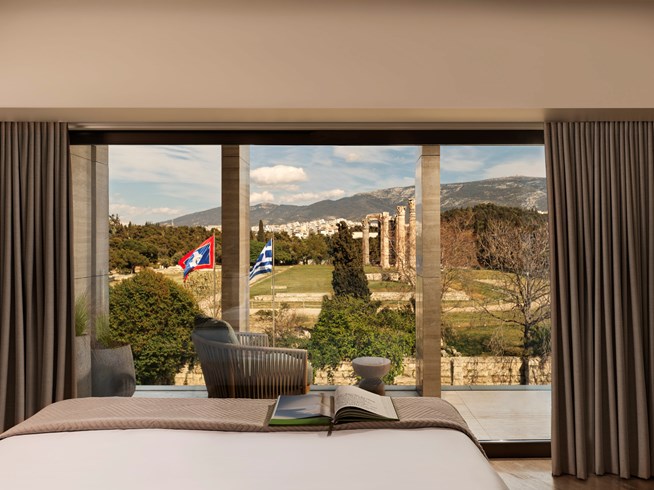
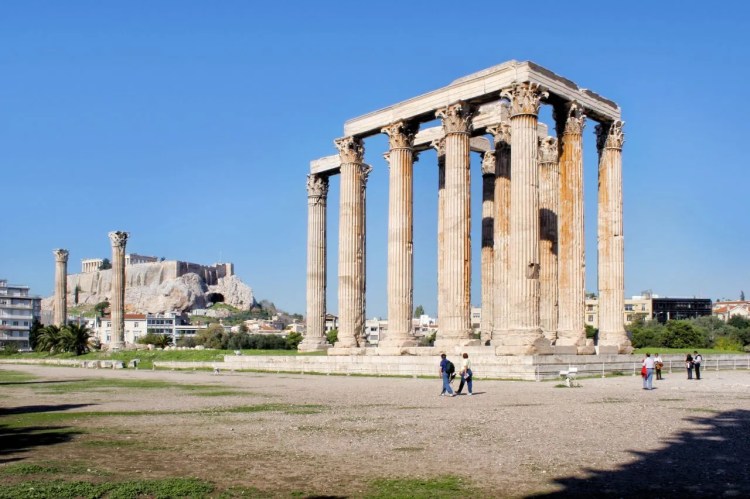
Our hotel Anthology of Athens describes itself as a “five-star cultural boutique hotel”. It faces the Temple of Zeus and is a stone’s throw away from the Plaka and a short walk to the Acropolis and the Acropolis Museum. It is under the banner of The Leading Hotels of the World. It is a green hotel and uses a grey water system (the first urban hotel in Greece to do so).
Temple of Zeus in Athens
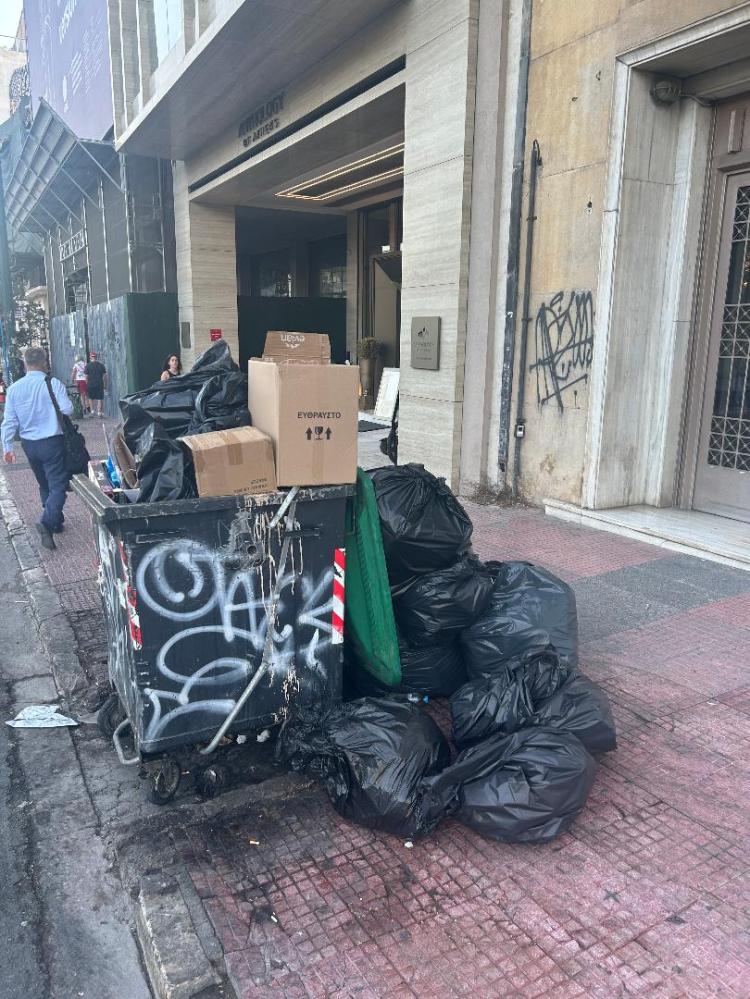
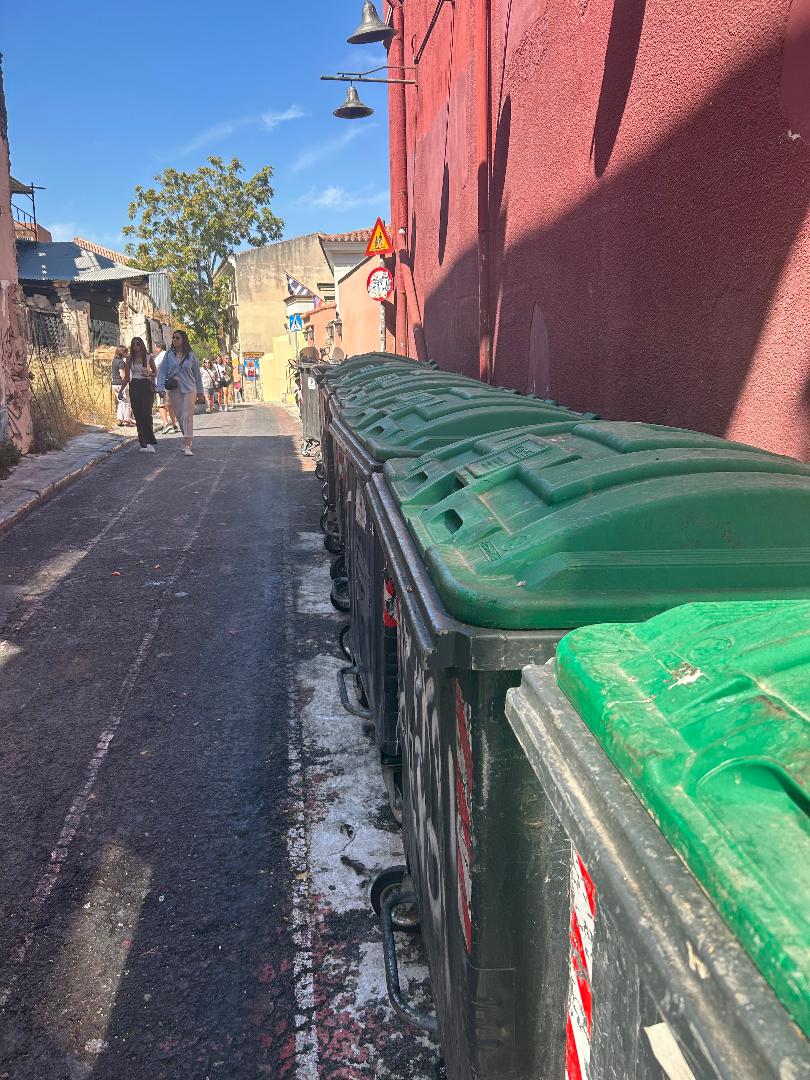
All this emphasis on green and sustainable at the hotel yet to the left of the hotel entrance by some 15 feet is an enormous public garbage bin piled over the top with bags grouped around it on the sidewalk oozing some foul-smelling liquid at its base. The hotel staff contribute to this garbage bin so they may be a part of this less than five-star eyesore!. There is a man in tattery clothing rummaging through the bin daily.
Outside the entrance of the hotel; Photo R. Kennedy Stephen
We are given a too lengthy and too rapid welcome blurb by the lady at the reception desk but not one of those huge reception desks you find at many hotels…factory like. This is simply a beautiful stand-alone desk.
We paid a princely sum for the Panorama Suite with a Temple View so when I stick my head in the door I say what a living room! No separate bedroom in sight! And they call this a suite? Very small and compact. There are only 9 rooms in the hotel with three more under construction.
Being a starving fellow, I attack the almond cookies in the mini bar area. Delicious!
We head out via taxi to our friend’s flat “for a bite to eat”. The hotel arranges a taxi for us from a company used by the hotel as they have a close trusting relationship with. The traffic is a huge series of twists and turns with inches to spare now and then. The taxi driver swears like sailor and his unmetered fare is 20 Euros. The taxi ride returning to the hotel was 6 Euros…” a close trusting relationship”.
We have known P and T for over a decade. We met them in Samos and became friends. They have a home in the mountain town of Mytilini in Samos and a flat in Athens.
P has laid out a delicious feast, as she always does so much for “a bite to eat”! There are roasted carrots in a balsamic reduction sauce with roasted chickpeas, meatballs, chips and butterflied chicken drumsticks with some Samian rosé wine I had picked at the airport in Samos earlier in the day. A delicious meal and time to catch up.
Most of what I have seen in Athens so far is a collection of neighbourhoods with vibrant nightlife throughout.
Hotels, no matter their greatness, take a battering through age and careless guests. You’ve seen it previously I am certain. Failure to renovate and the reputation of a hotel may plummet when word of deterioration hits the market. Yesterday’s darling may be tomorrow’s enfant terrible.
One can’t fail to take note of the battering the main building particularly the hallways with a very “mature” carpet. Quite frankly the hallways are dingy and musty smelling.
As for my room;
Rattling air-conditioning
Wallpaper separating from the walls
Stained dirty carpet and furniture
Bumps and ridges in the carpet
Crack in sliding glass door leading to veranda
Missing stopper in bathtub
Stopper in bathroom sink not working
Crumbling caulking throughout
Now you see why I asked the manager about a room change of which he promised he would follow up with me the following morning of which he failed to do.
I understand the main building will be undergoing an extensive renovation in the off season when the resort is closed. Once a five star and now?
No hands up baby hands up baby at the Doryssa Seaside Resort this visit.
Where are our national languages now? Where are the books written in the alphabets of our national languages? Where is our own literature now? Where is the wisdom and knowledge of our fathers now? Where is the philosophy of our fathers now? The centres of wisdom that used to guard the entrance to our national homestead have been demolished, the fire of wisdom has been allowed to die; the seats around the fireside have been thrown to a rubbish heap, the guard posts have been destroyed; and the youth of the nation has hung up its shields and spears. It is a tragedy that there is nowhere we can go to learn the history of our country. A child without parents to counsel him-what is to prevent him from mistaking foreign shit for a delicious national dish?
“You talk as if you knew I came from the university, and it is true. I am from there. I’m a kind of research student in culture. I’m a junior research fellow in African culture. Our culture…sorry I mean our culture. That is what I call English cultural imperialism. Cultural imperialism is mother to the slavery of the mind and body. It is cultural imperialism that gives birth to the mental blindness and deafness that persuades people to allow foreigners to tell them what to do in their own country, to make foreigners the ears and mouths of their national affairs, forgetting the saying: Only he who lives in the wilderness knows what it is like. Hence a foreigner can never become the true guide of another people. It is about our generation that the singer sang:
Surely a typical misogynist ISIS saying. I suppose it means if a woman kills an ISIS warrior that unfortunate might as well forget about paradise and the seven virgins! Moralistic greed with seven and misogynist fussiness demanding they be virgins!
Vyan (Avan Jamal) is a sniper for the Peshmerga Kurdish security forces in Northern Iraq fighting ISIS including supporting NATO forces. It is 2016 and she has over 100 kills.
A Kurdish immigrant to Norway with her younger sister Helina and her parents. On vacation in Northern Iraq the parents are murdered by ISIS and both her and Helina are kidnapped by sex slavers and sold at auction to ISIS men.
Vyan escapes by murdering her abusive captor, joins the Peshmerga and starts her search for Helina.
After assassinating an ISIS soldier who had chained young teen Dlvin to his bed, Dlvin informs Vyan her sister Helina is the “wife” of the “Swedish Sniper”.
Vyan is injured while valiantly destroying an ISIS armoured car and evacuated back to a hospital in Norway.
The PST (Norwegian Police Security Service) offers Vyan a new identity and a promise to not prosecute her for contravening Norwegian law preventing its citizens in participating in foreign conflicts. If she fails to take the deal she will be prosecuted.
Vyan returns to Northern Iraq for the Peshmerga and laboriously hunts down the Swedish Sniper to rescue her younger sister.
Vyan’s philosophy is to track down one sniper and you’ll find the rest of them.
Perched high atop a building overlooking Old Mosul she locates an ISIS sniper and liquidates him overhearing references to the Swedish Sniper being nearby.
The ISIS snipers in Old Mosul help secure the imprisonment of some 300,000 city residents more or less starving them to death. Any movement in the open draws sniper fire. A veritable turkey shoot.
An exact locate of the Swedish Sniper invigorates Vyan on a daring escape mission crawling out in the open under a tarp centimeters at a time to the “Green Hotel” where the Swedish Sniper is firing away. After being wounded and killing three ISIS soldiers pursuing her she confronts the Swedish Sniper.
Vyan is not simply a sniper firing from rooftops but a brave and skilled soldier in close combat situations not to be be underestimated. ISIS had put a bounty on her head for a million dollars.
An interesting foray into the life and mind of snipers, the sex slave trade catering to ISIS soldiers, the presence of foreign converts in ISIS and the sheer vicious misogyny of ISIS.
While the violence and rampant ISIS misogyny might be difficult for some to view the performance of Avan Jamal as Vyan is remarkable.
A classic revenge genre film.
Directed by Halkawt Mustafa.
Official screening at the Venice Film Festival 7September2026.
RKS INTERNATIONAL FILM RATING: 93/100
This Norwegian, Iraqi, UAE and Swedish film is directed by Halkawt Mustafa.
“Nairobi is large, soulless and corrupt.” He moved nearer to Warĩĩnga, leaned against the wall and went on: “But it is not Nairobi alone that is afflicted in this way. The same is true of all the cities in every country that has recently slipped the noose of colonialism. These countries are finding it difficult to stave off poverty for the simple reason that they have taken it upon themselves to learn how to run their economies from American experts. So they have been taught the principle and system of self-interest and have been told to forget the ancient songs that glorify the notion of collective good. They have been taught new songs, new hymns that celebrate the acquisition of money. That’s why today Nairobi teaches:
Tourism is enormously important for Greece generating approximately a third of its GDP. Given the swelling mass of tourists I have encountered in this visit Greece faces a potential overtourism problem that must be managed to avoid a negative boomerang. Given the inability of Athens Eleftherios Airport to manage passenger flow, one enters and leaves Greece with a sour taste in one’s mouth hardly a good base to encourage touristic loyalty.
Samos has a small airport and at its peak tourist season some 10 international and three domestic carriers. One may encounter overtourism in Samos evident in the town of Pythagorio a five-minute drive from Doryssa Seaside Resort. Once a quiet and charming town its port area is choked with tourists at its bars and restaurants. It’s big business with profits to be made and there is a hustle you atmosphere at many of the bars and restaurants attempting to reel you in. You know that “hostess” at the door beckoning you in and waving a menu in your face. It is a mob scene. Add on to this area buses disgorging cruise ship passengers. There is a bar at the corner of the main street heading down to the port area and its restaurants which after several years of wanting to sit there I finally did. In the space of 20 minutes four buses spewing their diesel fumes disgorged cruise ship passengers for “an authentic Greek island dining experience” or some other enticing phraseology the cruise line marketing people had dreamt up. They are funny these cruise ship mobs clinging together like seaweed to a rock often poorly dressed. Witnessing this I ask do I really want to be here? Not really.
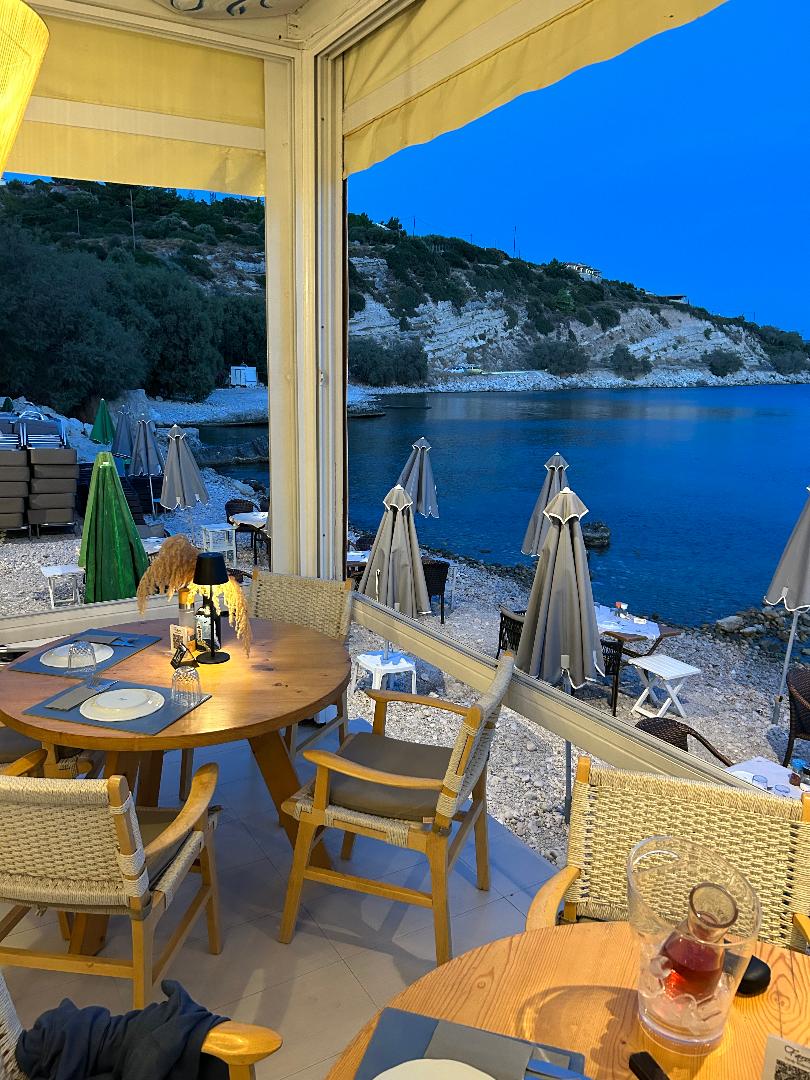
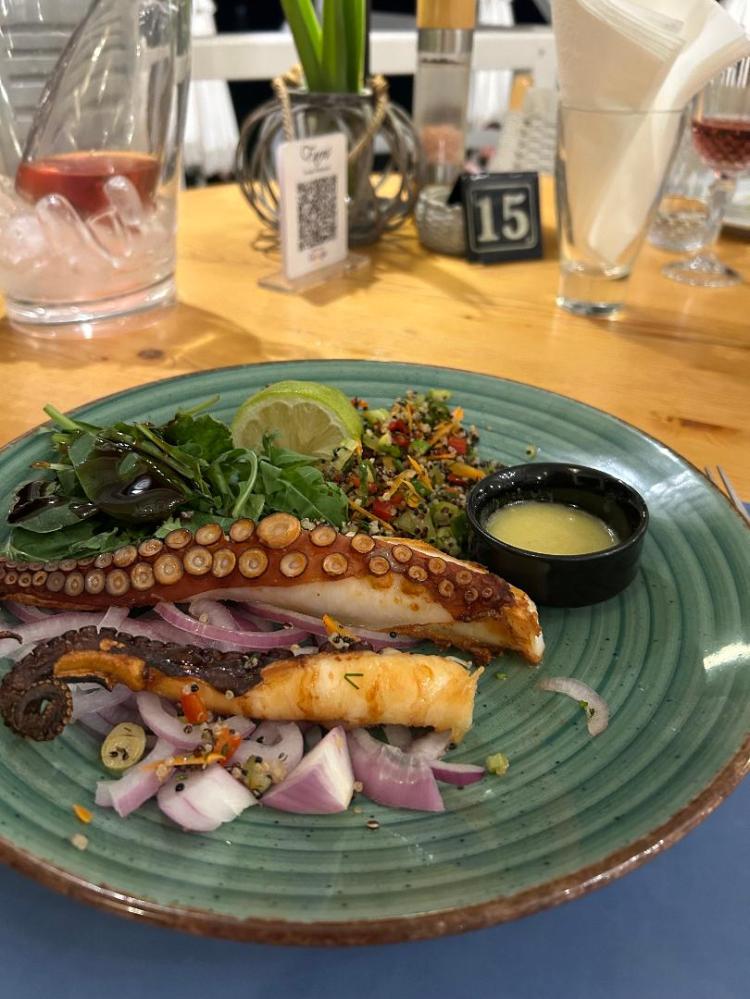
My research indicated a restaurant Faros was somewhat out of the way and so it was at the far-left hand side of the port promenade. There were tables located on a deck overlooking the sea and a few tables on the beach. Quiet and no need to look or hear a mass of noisy people on the main part of the promenade. You felt a sense of serenity and peace. Dinner was good with Greek salad, grilled octopus and a half litre of house white. And as is customary in the more traditional restaurants a complimentary dessert. Tried to cut through side streets enroute to the car to avoid the seething mobs with some success.
Although Doryssa Seaside Resort’s main building and its rooms may need tender loving care (such as my room 277) the buffet breakfast retains its lustre. My favourite this time were two large bowls, one filled with segments of orange the other with grapefruit. In season and absolutely stellar! There are local pastries both sweet and savoury such as spanakopita or galaktoboureko, the “real Greek yogurt” with Samian honey to top it with or several types of preserves if you prefer. There are cheeses including gouda and Edam for the many Dutch guests and all manner of high-quality breads. Must chuckle seeing thank goodness no beans and sausages as there are few Brits. But yes there are stewed tomatoes and small wieners. I decided for a feta cheese and tomato omelette. I enjoyed the croissants with Greek marmalade on the side. As usual year after year there are too few coffee machines and this year the lattes and their cappuccinos are undrinkable. After the top rate latte and cappuccino at Daios Luxury Living in Thessaloniki hand crafted by baristas anything less is a disappointment. Our usual table overlooking the sea and enjoying such wonderful food is a real treat and if only the coffee was up to snuff!
What shocks me are the 80% of Filipinos working at the restaurant! When did this happen? Why? Cheap labour or as a taxi driver in Greece said to me our young people all want to be influencers and social media stars so they spend all day on their computers. The staff at the restaurant are extremely skilled and affable almost with a smile and a greeting so I will overlook our table being given away while we were up at the buffet!
Rather similar to Sliema in Malta where almost all the hotel staff were Indian and as a taxi driver there said to me the younger generation are all studying to be professionals and look down on service jobs in the hospitality industry.
Hopped in our little silver Suzuki and drove 14 kms to the main city on Samos originally called Vathi and still by the old timers like me. Its name has changed to Samos Town or Samos City. As far as many Greek islands go as to architecture it is far more of a commercial centre. There are many open-air cafes in the town square and restaurants and bars lining the main street as you head to the port. When looking for parking just ahead of me a motorcycle accident occurred. I saw the poor motorcyclist take a spill and right himself and limp to the pavement head held between his hands. As we passed by him on the way back from an unsuccessful attempt to find parking he was holding a bloody cloth to his head with police and an ambulance present. He was wearing a helmet thank goodness.
Some five years ago Samos created a seaside no charge parking lot to accommodate vehicles but it is so heavily used as morning transitions to afternoon parking spots become rare. After three passes I gave up and luckily found a spot on the main seaside road opposite the bus station.
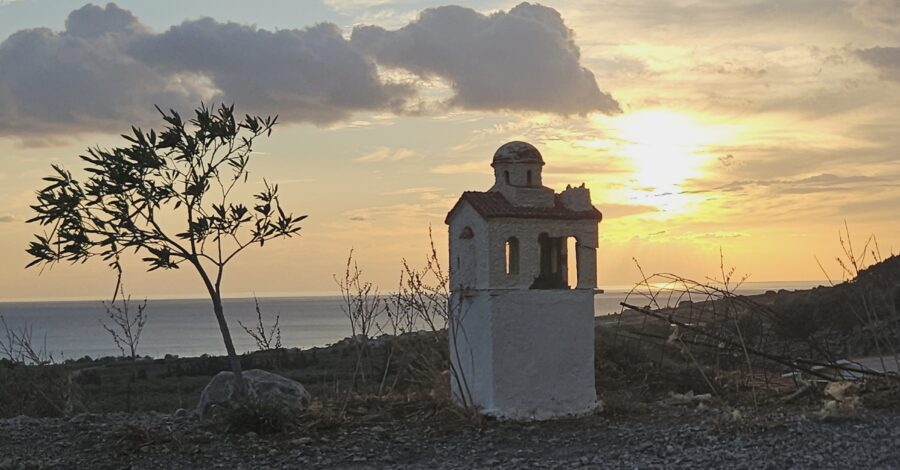
I should add the main roads in Samos are good. Be prepared for many curves and a speed limit often at 50 kms with limited opportunities for passing except for a legion of kamikaze drivers and there are many roadside “shrines” (kandylakia) to victims of the roads. They are built from stone, metal, concrete, wood or marble typically featuring a small cross, icons a lit oil or candle. The name of the victim and often a photograph is also present.
Set back from the seaside promenade is the main shopping street with many restaurants. A quaint enjoyable pedestrian only walk.