RKS African Literature: That Which is Born Black Will Never be White (Ngũgĩ Wa Thiong’o)

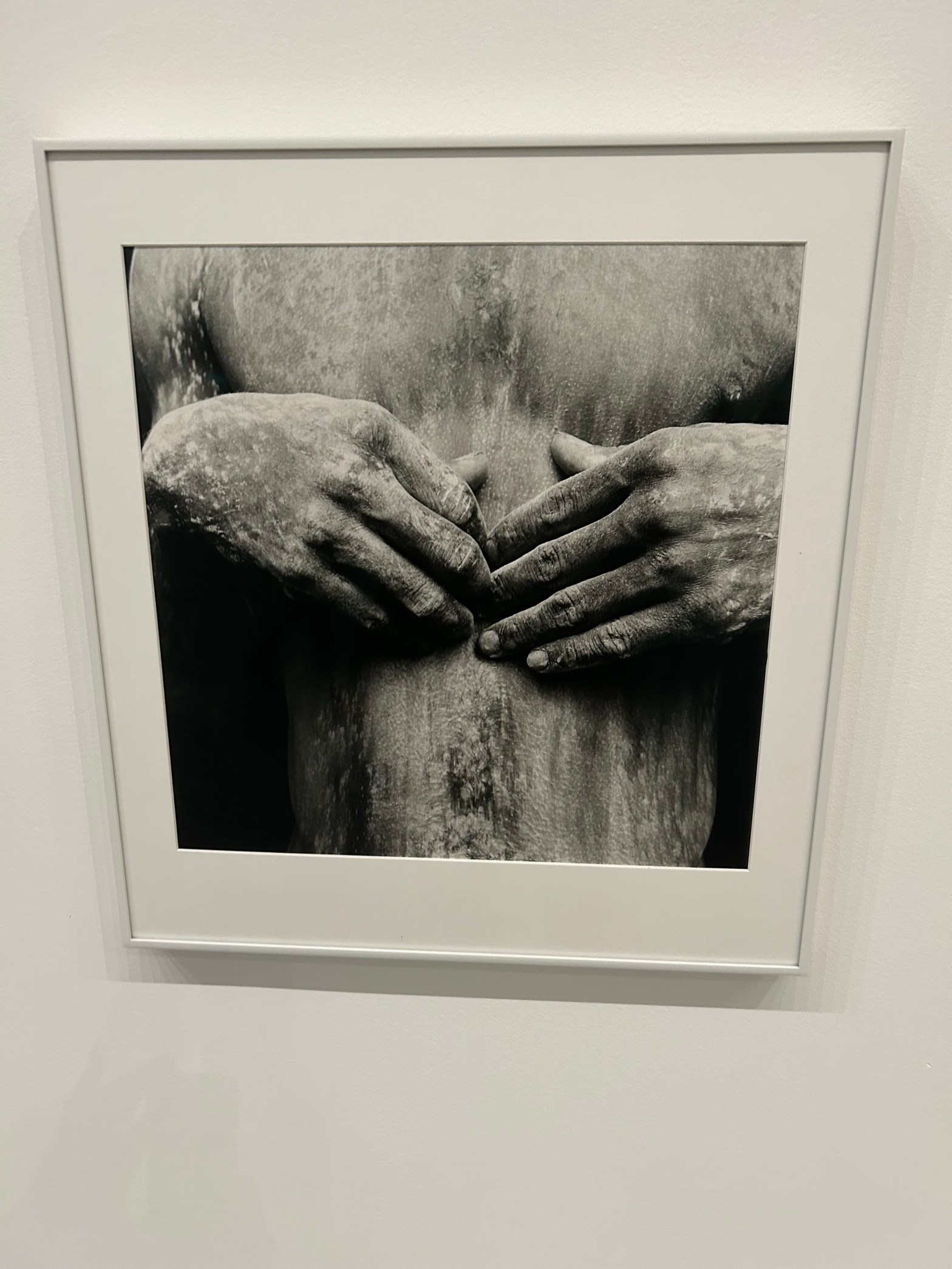
Warĩĩnga was convinced that her appearance was the root cause of all her problems. Whenever she looked at herself in the mirror she thought herself very ugly. What she hated most was her blackness, so she would disfigure her body with skin lightening creams like Ambi and Snowfire forgetting the saying: That which is born black will never be white. Now her body was covered by black and white spots like the guineafowl. Her hair was splitting, and it had browned to the color of moleskin because it had been straightened with red hot iron combs.

Ngũgĩ Wa Thiong’o, “Devil on the Cross”, 1982

RKS Spanish Wine: A Monastrell from Jumilla

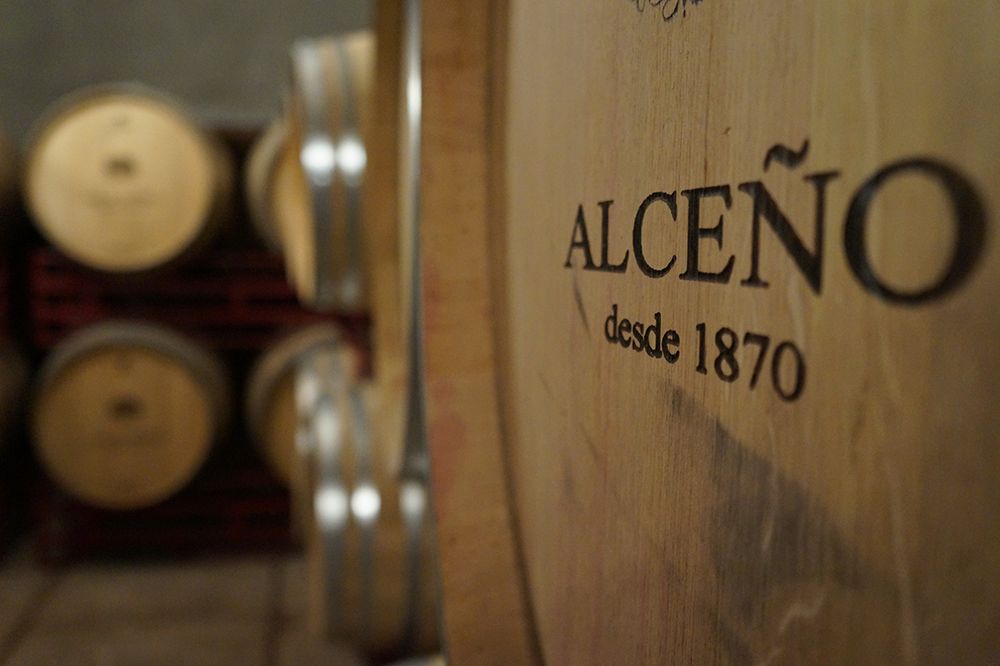
A joint effort between Familia Bastida and Bodegas Alceño.

Aroma: Primary notes of blackberry with secondary notes of cassis and violets. Suggestive of creaminess and generous oak, predominately American.

Taste: Gentle mounting acidity in this mid bodied wine certainly diminishes the aromatic hints of creaminess to come as the nose suggests! Cuts the fruitiness “down to size”. Minimal tannins. Long almost tingly finish.

Cellarbility: Don’t go beyond 2027.

Food Match: Turkish Eggplant Dolma. Price $17 CDN.

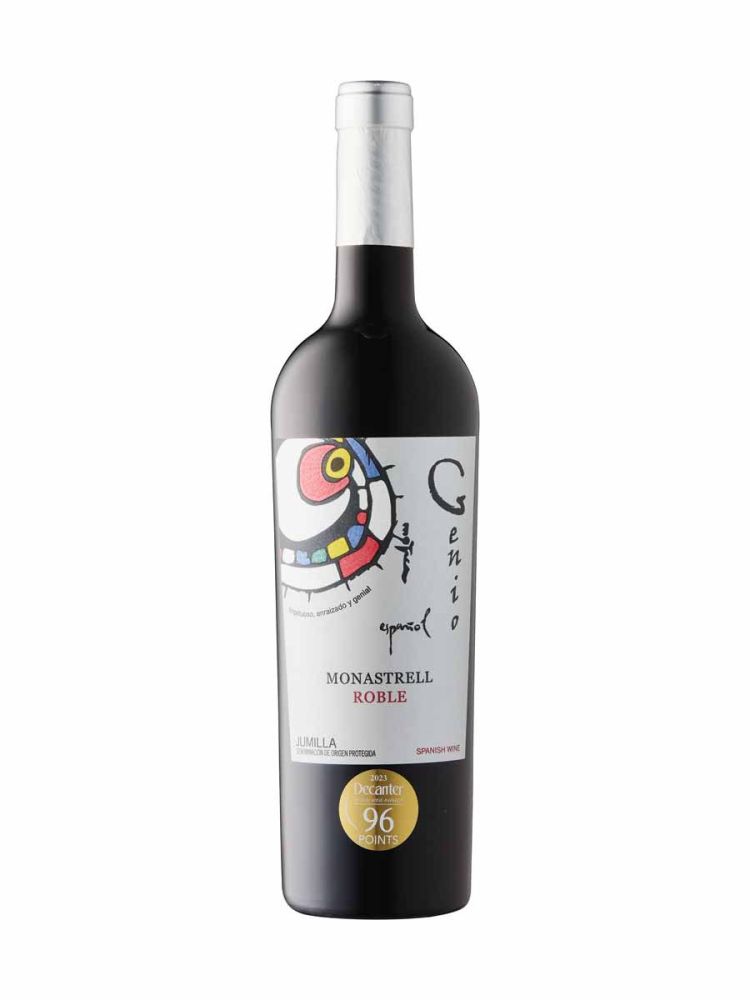
RKS Spanish Wine Rating; 91/100 (Tasted 4October2026): 96 Decanter 2023 World Wine Awards.

Genio Español Roble Monastrell 2021, Do Jumilla, Bodegas Alceño, Murcia, Spain, 750 mL, 14%

RKS African Literature: Rent Control in Nairobi, Kenya (Ngũgĩ Wa Thiong’o)

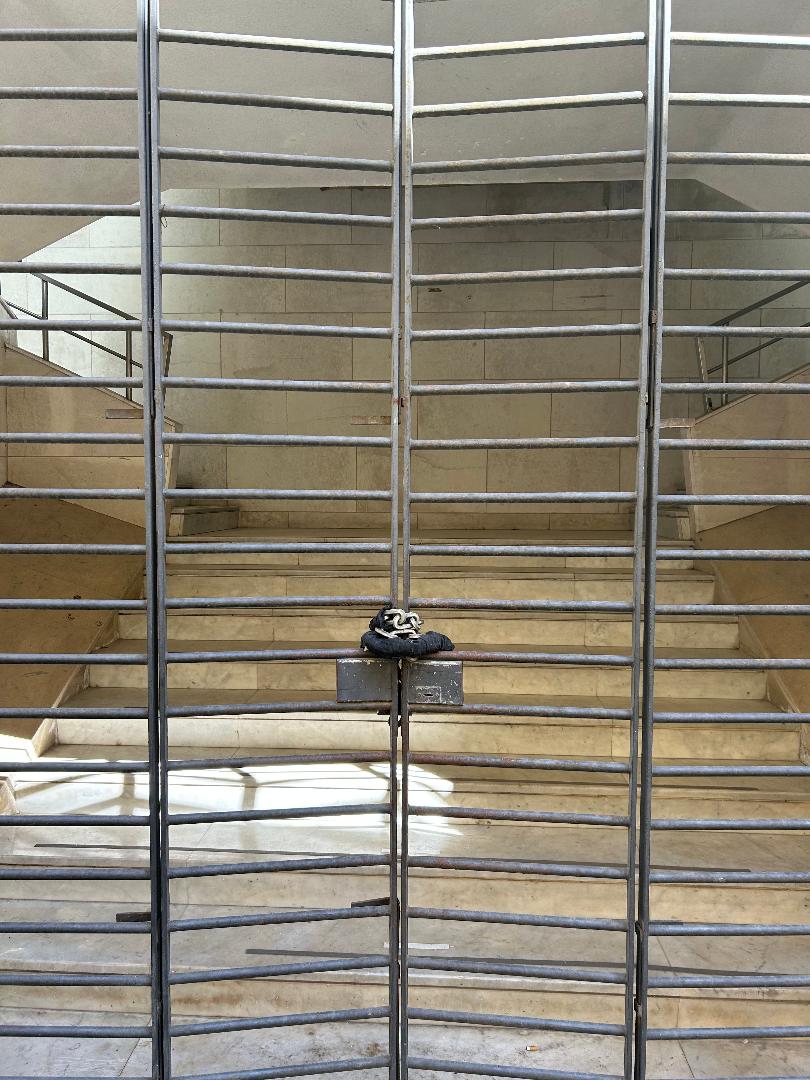
On Saturday morning Warĩĩnga was visited by her landlord, the owner of the house in Ofafa, Jericho, Nairobi, in which she rented a room. (A house or a bird’s nest? The floor was pitted with holes, the walls gaped with cracks, the ceiling leaked.). The landlord told Warĩĩnga he was increasing her rent. She refused to pay more. He ordered her to quit the premises that instant. She objected, declaring the matter should be referred to the Rent Tribunal for settlement. Her landlord climbed into his Mercedes Benz and drove off. Before Warĩĩnga could blink he had returned with three thugs wearing dark sunglasses. The landlord stood at some distance from Warĩĩnga, arms akimbo, taunting her: “There I have brought your Rent Tribunal.” Warĩĩnga’s things were thrown out of the room, and the door was locked with a new padlock. One of the henchmen tossed a piece of paper at the girl, on which was written:

We are the Devil’s Angels: Private Businessmen

Make the slightest move to take this matter to the authorities and we shall issue you a single ticket to God’s kingdom, or Satan’s-a one-way ticket to Heaven or Hell.

Ngũgĩ Wa Thiong’o, “Devil on the Cross”, 1982

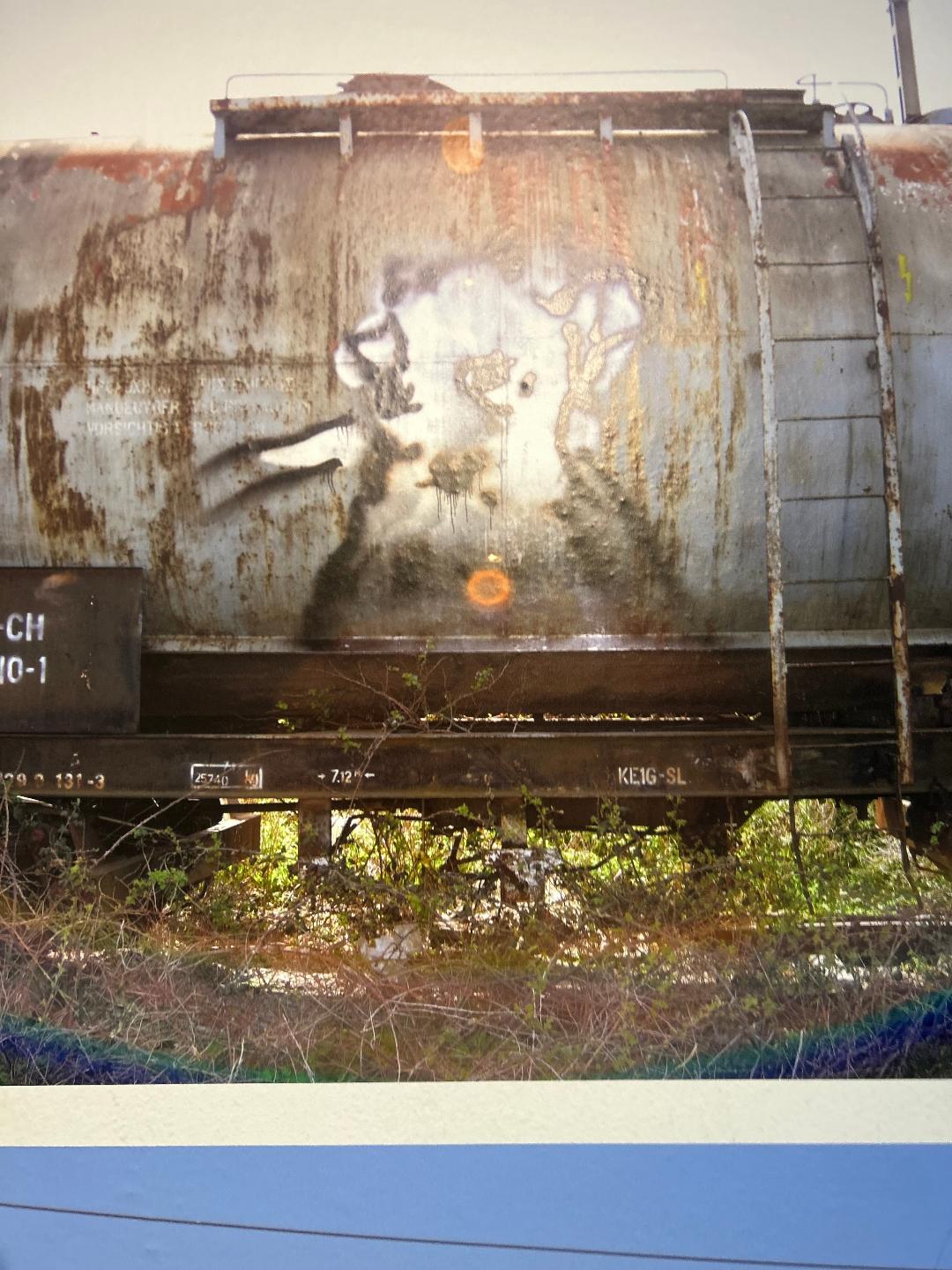
Photo: R. Kennedy Stephen

RKS Chinese Literature: Hardships of the Sing Song Girls (Shen Fu)

Tsui-ku told me of their life of constantly welcoming new guests and seeing off old ones. When unhappy they still had to laugh loudly, and when they could not stand the taste of wine they still had to drink a great deal; when sick they still had to entertain guests, and when their throats hurt they still had to sing. There were, she said, rough guests, if even slightly dissatisfied would throw wine about, overturn tables and curse loudly.

These affairs were never investigated by the madam, who on the contrary would say that they had not entertained the guest well enough. She told me too about evil customers who kept up their horseplay from sunset until dawn, until it became unbearable.

Shen Fu, “The Delights of Roaming Afar” (Six Records of a Floating Life)

RKS Literature: Returning to London from Kurtz and the Jungle (Joseph Conrad)

I found myself back in the sepulchral city resenting the sight of people hurrying through the streets to filch a little money from each other, to devour their infamous cookery, to gulp their unwholesome beer, to dream their insignificant and silly dreams. They trespassed on my thoughts. They were intruders whose knowledge of life was to me an irritating presence, because I felt so sure they could not possibly know the things I knew. Their bearing, which was simply the bearing of commonplace individuals going about their business in the assurance of perfect safety, was offensive to me like the outrageous flauntings of folly in the face of danger unable to comprehend. I had no particular desire to enlighten them, but I had some difficulty in restraining myself from laughing in their faces, so full, of stupid importance.

Joseph Conrad, “Heart of Darkness”, 1899

RKS Chinese Literature: Smoking Opium, Hugging and Joking with the Sing-Song Girls (Shen Fu)

We had the wine boat anchor in the middle of the river and happily drank away until several strokes of the night watch had sounded. By then I had begun to fear I could not control myself and so had firmly resolved to return to our rooms, but my friends told me the city gates had already been locked for the night. This is because the gates of all sea frontier cities are locked as soon as the sun sets, but I had not known this before.

By the time we had finished dinner, some of us were lying down smoking opium while others were hugging the girls and making jokes. The servants then began bringing in quilts and pillows, as if to make a common bed for us all.

Shen Fu, “The Delights of Roaming Afar” (Six Records of a Floating Life)

RKS Chinese Literature: Where Monks Should Not Live (Shen Fu)

To the friends who were with me that day, I said: ‘Men who want to be monks must live in this kind of secluded place, seeing and hearing nothing for their entire lives, so that they can meditate in tranquillity. At a place like Tiger Hill in my home country, all day long there is nothing for the eye to see but bewitching boys and captivating girls, nothing but the ear to hear but the music of strumming instruments and songs, and nothing for the nose to smell but good food and fine wines. How could a monk there make his body like dried wood, or his heart like dead ashes?

Shen Fu, “The Delights of Roaming Afar” (Six Records of a Floating Life)

RKS Chinese Literature: Be Very Careful Looking at Stone Mirror Mountain! (Shen Fu)

Near the town was a mountain called Stone Mirror Mountain. To see the ‘mirror’ you followed a winding path through the mountains for about a li and then came to a cliff with water rushing down its face, and with moist greenery that itself seemed about to begin dripping over the ground. Gradually climbing higher to the middle of the mountain, you arrived at a square stone pavilion with four high walls. The left and right of the pavilion were as flat as screens, and the light reflected from their lustrous green surfaces so that you could see yourself in them. It was said that once, if a man looked into them, they would reflect what he had been in a former life. But when Hung Tsao came there, he is supposed to have looked into the walls and seen the image of an ape, and then he set fire to the pavilion and burned the walls so they lost their power.

Shen Fu, “The Delights of Roaming Afar” (Six Records of a Floating Life)

RKS Literature:  Human Heads on a Pole in Kurtz’s Enclave (Joseph Conrad)

….I want you to clearly understand that there was nothing exactly profitable in these heads being there. They only showed that Mr Kurtz’s lacked the restraint in the gratification of his various lusts, that there was something wanting in him-some small matter which when the pressing need arose could not be found under his magnificent eloquence. Whether he knew of this deficiency himself I can’t say. I think the knowledge came to him at last. But the wilderness had found him out early, and had taken upon him a terrible vengeance for the fantastic invasion. I think it had whispered to him things about himself which he did not know, things of which he had no conception till he took counsel with this great solitude-and the whisper had proved irresistibly fascinating. It echoed loudly within him because he was hollow at the core…

Joseph Conrad, “Heart of Darkness”, 1899

RKS Chinese Literature: The Wheel and the Hoof Have Flowed One Another in Such Quick Succession (Shen Fu)

I have travelled about working in government offices for thirty years now, and the only places in the world I have never been too are Szechuan, Kueichou and Yunnan. The pity is that the wheel and the hoof have followed one another in such quick succession. Everywhere I have gone I have been accompanying others, so that while beautiful mountains and rivers have passed before my eyes like drifting clouds and I have been able to form some rough idea of what they are like, I have never been able to search out and explore secluded places on my own.

Shen Fu, “The Delights of Roaming Afar” (Six Records of a Floating Life)