63rd THESSALONIKI INTERNATIONAL FILM FESTIVAL: Three Canadian Indigenous Films Featured

3-13/11/2022

Indigenous Cinema

Τhe Festival’s grand tribute breaks the rules

From Canada’s Inuit and the Latin American tribes all the way to the Australian Aboriginals and New Zealand’s Māori people, the 63rd Thessaloniki International Film Festival sheds light onto cultures, ways of life, and worldviews that have been ostracized from the official frame of our definition of the world, through a large-scale tribute to indigenous cinema.

TIFF is one of the first film festivals to host a grand tribute to indigenous cinema, featuring 17 fiction films. Either shot by indigenous directors or placing the lives of the indigenous people on the spotlight, the tribute’s 13 full-length and 4 short films stand up against the stereotypical depiction of the colonial glance and the “exoticism” of the Western gaze. Moreover, great value lies in the fact that many of the films were shot in languages and dialects driven to the boundary of extinction.

The visibility and the outwardness of indigenous cinema pave the way for an invaluable cultural re-appropriation, through which indigenous people reshape their own representation, claiming the right to be the ones to define the images that form their identity. The reach of TIFF’s tribute extends way beyond cinema and art, going as far as the unseen aspects, the origins and the rich gamut of life and our world, which are constantly under threat and attack.

Kent Mackenzie’s The Exiles (USA, 1961) revolves around a group of young indigenous Americans, living in LA’s Bunker Hill. Yvonne, a pregnant Apache woman, and Homer, her Hualapai husband, share their tiny flat with Tony, a gifted Mexican, and four native women. At night, when men go out on a drinking, gambling and flirting spree, Yvonne goes to the movies all by herself or roams in the streets, oozing a repressed yearning. The film’s documentary-like black and white frames capture fragments of the life in the metropolis, depicting snapshots from a dislocated generation, torn between its origins and the bleak everyday life of the contemporary urban landscape.

Barry Barclay’s Ngāti (New Zealand, 1987) is the first full-length fiction film to be directed and written by a Māori filmmaker. The movie portrays the post-colonial New Zealand of the 40s, where the harmonious coexistence between the white and the indigenous population is still a distant illusion. A young Australian doctor arrives in a coastal village to seek for his roots. As the locals warmly welcome him, he becomes impressed by the way they stick together, as the village’s factory is about to shut down, threatening to plunge the entire region into decay. Initially seeing himself as a mentor, he quickly realizes that he is the one to learn from the natives’ traditions, way of thinking and sense of community. This low-key and gripping story of a man who is in search of his identity stands as a landmark in the history of indigenous cinema.

Visual and multimedia artist, photographer and director Tracey Moffatt is the most influential and multifaceted voice in the Aboriginal art world, whose works and exhibitions have been showcased in institutions such as Tate and MOCA. In BeDevil (Australia, 1993), three stories unfold on the two-fold axis of the otherworldly and the Australian tradition. Rick, an Aboriginal boy living near a swamp, is haunted by the image of an American soldier who drowned in quicksand. Ruby and her family live in a house next to long-abandoned railway lines, where ghostly apparitions are to be seen all the time. A landlord is having trouble evicting the tenants of an old warehouse – a couple that has been dead for years. Reality, colonial past, historical traumas, legends and folklore tales are interweaved in a mystical and hallucinatory movie.

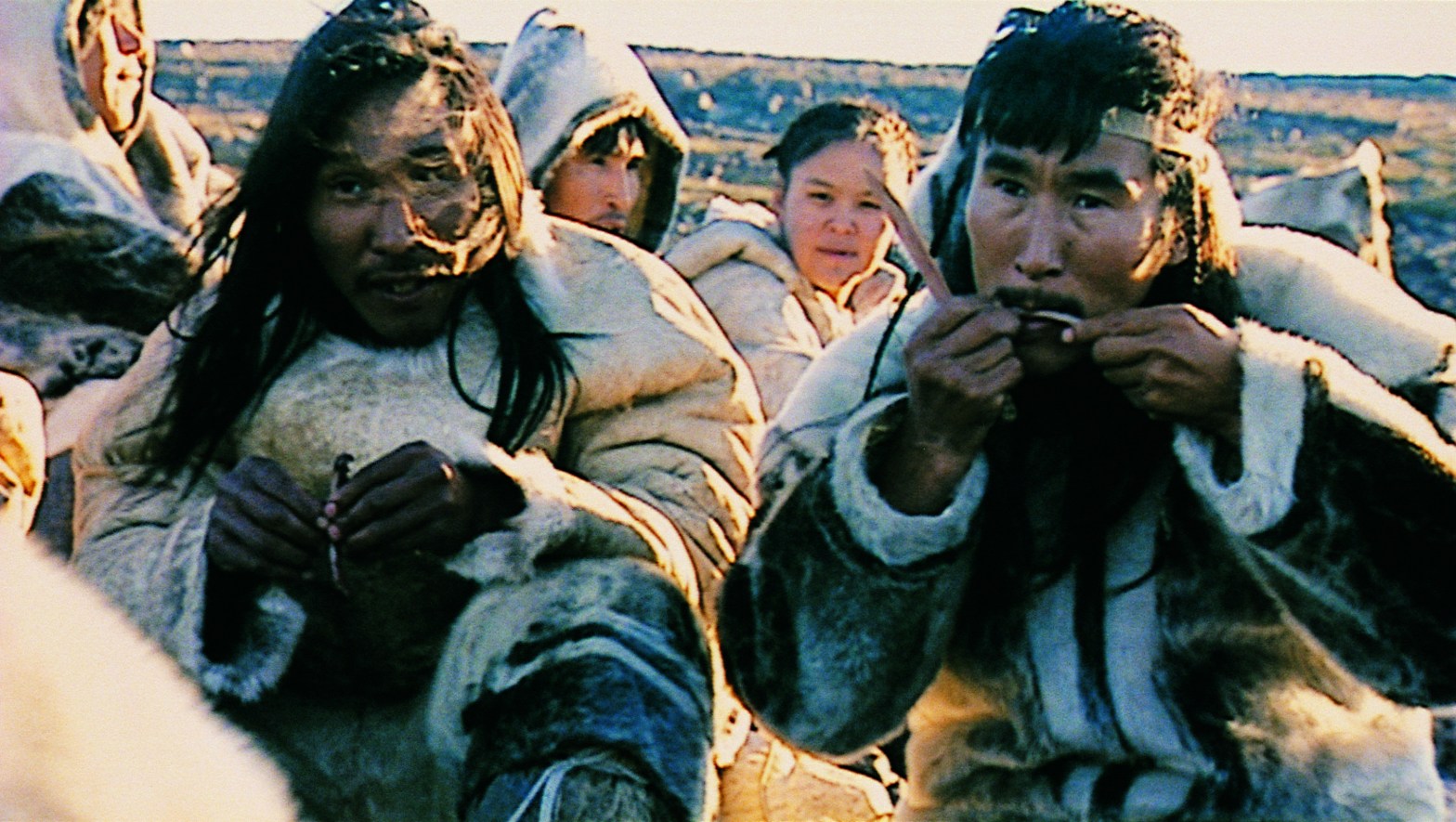
Seven Songs of the Tundra (Finland, 2000) by Anastasia Lapsui and Markku Lehmuskallio takes place amidst the infinite white tundra, where a small religious cult sacrifices a reindeer. A ceremonial song accompanies the sacrifice, triggering a narrative divided in seven chapters, which re-enacts a pivotal point in the Nenets natives’ history. Deprived of their independence and prosperity, the nomadic reindeer breeders were ostracized from their homeland and asked to abandon not only their language and traditions, but also their children that were forced to enrol to boarding schools. Bordering in the threshold between documentary and fiction, the first movie ever to be shot in the Nenets language is a touching drama that explores the deep wounds inflicted by the loss of identity and the struggle for survival. 

Atanarjuat: The Fast Runner (Canada, 2001) by Zacharias Kunuk is the first full-length fiction film to be directed and written by an Inuit filmmaker. In addition, it is the first ever film to be shot in the Inuktitut language. The plot is set in the North-eastern Arctic, long before the region’s first contact with the Europeans, drawing inspiration from a traditional Inuit’s folk tale. Shot in the tiny island of Igloolik over a period of six months, Atanarjuat was one of the first films to be made entirely on HD video. Making use of natural light for the most part, Kunuk and his cinematographer, Norman Cohn, capture images, colour hues and tonalities that introduce to us a new and unexplored world. The movie snatched the Camera d’Or award for best debut film in the Cannes Film Festival, also bearing the title of “the greatest Canadian film of all times”, as voted in a poll conducted by Toronto International Film Festival.

Birdwatchers (Brazil-Italy, 2008) by Marco Bechis takes us to Brazil’s Mato Grosso do Sul, where landowners live in wealth, spending time with the birdwatching tourists who flood the area. In the meanwhile, at a hand’s distance, the natives’ turmoil is on the rise. Exiled in reservation camps, with no other prospect than to work as modern-day slaves in the sugar cane plantations, many natives are driven to suicide. One such incident ignites the spark of the rebellion, when a group of Guarani-Kaiowá natives camps right outside a mansion, claiming what is rightfully theirs. However, and apart from the animosity and the hatred, the two opposed sides are intrigued by the “otherness” that stands on the other side of the fence. This feeling of curiosity will trigger a profound bond between a young Shaman apprentice and the daughter of a landowner. 

Warwick Thornton’s Samson & Delilah (Australia, 2009) showcases a sensitive and unconventional love story between two teenager Aboriginals, in the desert of Australia’s inner land, who embark on a survival journey full of hardships. Their tacit but eloquent in meanings odyssey reflects the fragile nature of youth, striving to survive in an environment governed by violent marginalization, lack of prospect and discriminations. Through scarce dialogues, the resourceful use of expressive means and the spot-on guidance of the amateur cast, the director weaves an unrefined and rough love story that is at once humane and tender.

Heart of Time (Mexico, 2009) by Alberto Cortés permeates the uncharted territory of Chiapas state, in Mexico, in the core of the Zapatistas’ struggle for autonomy. Sonia is about to get married, the families of the couple-to-be have settled all the details, the dowry -in the form of a cow- has been agreed upon. However, Sonia is in love with someone else, a fighter of the guerrilla army. EZLN is now bound to object to the wedding; the entire community is seeking ways to resolve the matter, asking for its voice to be heard, with the hope that love will overcome repression. 

Shot entirely in Samoa’s tiny island of Upolu and filmed in the local language, The Orator (Samoa-New Zealand, 2011) by Tusi Tamasese builds a heart-wrenching drama that speaks of courage, forgiveness and love. Our main hero, Saili, lives a simple and humble life with his beloved wife and their daughter, in a secluded traditional village. Forced by the circumstances to protect his land and family, Saili must overcome his fears and find the courage to defend the people he loves.

The Quispe Girls by Sebastián Sepúlveda take us to the dry and arid Atacama Plateau, in Chile. Isolated from the rest of the world, sisters Justa, Lucía and Luciana are devoted to their goat herd. Nevertheless, they are tormented by loneliness, feeling obliged to repress their femininity in order to survive. The news that dictator Pinochet has prohibited herding in the area becomes the turning point in their silent struggle to preserve their way of life. The three sisters collapse in the face of this imminent threat, and all alternatives seem equally gloomy. The landscape’s infinity, as well as the emotional detachment of the dialogues, enhance the matter-of-fact ambiance of a directorial debut that draws inspiration from real events.

In the ice-cold Patagonia desert, living conditions are rough, as portrayed in Gerónima, a landmark film in Latinamerican cinema. The titular female hero is unable to offer safety to her four little children, but at least she manages to make ends meet, taking life as it comes and facing hardships with perseverance. When a state health official decides to intervene so as to “improve” the family’s quality of life, he fully implements the racist policies of the 70s – during the dictatorship and throughout the “Dirty War.” The entire family (of Mapuche origins) is uprooted and transferred to a public hospital. In this new environment, Gerónima feels unwanted and struggles to avoid a breakdown. The original recording of Gerónima’s clinical diagnosis is heard as a background narrative, firmly documenting the atrocious historical events that inspired the script.

Tanna (Australia, 2015) takes us to a tiny little island of Vanuatu, where different ways of life are caught up in conflict: Some residents have converted to the Christian religion, while others remain faithful to ancestral traditions. As her adulthood initiation ceremony is closing in, a young girl decides to run off with the grandson of a neighboring tribe’s chief. Aware that endogamy is frowned upon by tradition, as inter-tribal marriages help to ensure peace, the two young lovers are trying to conceal their relationship from everyone. Based on true events that took place in the 1980s, and entirely shot in the Nauvhal language, Tanna was a Best Foreign-Language Film Oscar nominee.

Sami Blood (Sweden-Denmark-Norway, 2016) by Amanda Kernell is a heartfelt tribute to those left behind, but also to those who chose to flee from a community living on the brink of the world. At once, it is an alternative-personal view on the colonial past of a “civilized” country, as seen through the eyes of a teenage girl. Elle-Marja, from the reindeer-breeding Sami indigenous tribe, is a 14-year-old boarding school student. Racism was formally grounded in the 30s, and Elle is submitted to bio tests that “measure” when and if a native is entitled to integrate to an all-whites society. Elle is dreaming of a different life, but to make her dreams come true she must become someone else and break off all ties with her family and culture.

Short films:

In the acclaimed The Ballad of Crowfoot (Canada, 1968) by Willie Dunn, a dynamic editing juxtaposes archival photos with Dunn’s ballad. This heart-wrenching and painful mix of music and image unfolds the story of both Canada’s indigenous people and Crowfoot, the legendary chief of the Blackfeet tribe. 

In When All the Leaves Are Gone (Canada, 2010) by Alanis Obomsawin, the main protagonist is the only native student in an all-whites school, in the 40s. The obvious animosity against the 8-year-old girl will escalate to open abuse following the reading of an excerpt in class that describes all indigenous people as savages and barbarians. All alone in her ordeal, she finds comfort and strength in the sheltered world of her magical dreams. Inspired by events experienced in real life by the director and screenwriter of the film, When All the Leaves Are Gone intertwines autobiographical elements, fiction and local legends to weave a moving story about resilience and the redeeming power of imagination.

Snow in Paradise (Νew Zealand, 2011) by Justine Simei-Barton and Nikki Si’ulera takes place in the idyllic and colourful Aitutaki of the Cook Islands, where two young siblings spend their days catching fish, opening up coconuts and peeling fruit for their grandmother. Life on this earthly heaven is serene, but not for long. From 1966 to 1996, 188 nuclear tests were carried out in the South Pacific atoll of Mururoa. No-one took the trouble of warning the neighbouring islands’ population and any talk on the horrendous repercussions has been hushed ever since.

In Blackbird (Australia, 2015) by Amie Batalibasi, taking place in the end of the 19th century, two siblings are forced to move to Australia and work as modern-day slaves in a sugar plantation, after being displaced from their homeland, the Solomon Islands. Perching between the memories from home and the unbearable reality of the uprooting, the camera juxtaposes images from lush landscapes and the monotony of the fields and everyday labour. Shedding light onto one of the darkest and most silenced pages of Australian history, the country’s “sugar slaves”, this lyric short film stands as a declaration of determination and desire to survive.
“Travels to a Different Time”: 2006: Füssen: Germany: A Bizarre Detour

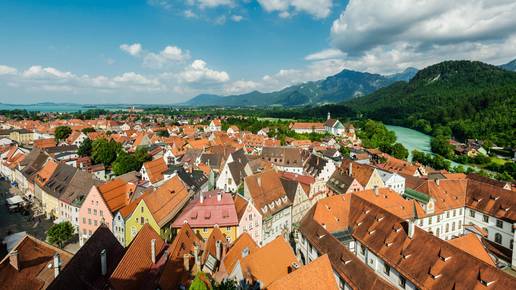
Our trip from Wurzburg to Füssen caused us to encounter a bizarre but not unpleasant detour. Enjoyed the buffet breakfast at the Maratim Hotel in Wurzburg although the top of my mouth is a bit raw. Could it be from all these cold cuts the Bavarians love. Too much nitrate? So more cold cuts, sausages, cheese and fresh dark bread for breakfast. I think I may have eaten a blood sausage! The loose-leaf green tea was a dream come true! We headed off to the Residenz in Wurzburg. I can only compare it to Versailles with row after row of opulently decorated rooms. The King’s room, the Queen’s room, the servant’s rooms, the private chapel and so on. The gardens were most impressive. We set the GPS to Füssen and off we went. It would seem the GPS did not recognize the umlaut end we ended up at a farmhouse in the country which the GPS said we had arrived at our destination of Füssen which clearly was not the case! The farmer’s family welcomed the lost tourists and we had coffee and cake. The farmer’s mother proudly showed us pictures of her children and grandchildren. We also saw a calf being born in the barn. Well a tekkie across the way reset the GPS and off we went through rolling countryside arriving at the right Füssen just as the sun was setting. We checked into the Hotel Kurkafe.

RKS Wine: Listening to Customers: Canada Pricing Itself Out?

A couple of months ago at the Liquor Control Board of Ontario I encountered two gentleman shopping for a backyard wedding reception. They asked me what might go with the salmon which was one of the foods for the backyard wedding barbeque. Earlier in the year I had received some samples from a BC winery which included a couple of Pinot Noirs. I suggested one of those Pinot Noirs which I saw on the LCBO shelves for $33 as after all it was a wedding. This caused one of the gentlemen to start dissing Canadian wines because of their high cost. He was a staunch advocate of Chilean red wines due to their attractive pricing and high quality. He took the higher prices for Canadian wine somewhat like a personal insult. British Columbia produces a slew of high quality red and white wines but you would be hard pressed at the LCBO to find any BC red wines in the $20 and under category. In the October 22 LCBO Vintages release catalogue 4 of the 5 Chilean wines are under $20 yet only 1 of the 7 Ontario wines are in the $20 and under category. None of the 16 California wines are under $20. Sure perhaps there are many reasons, such as cost of land and labour accompanied by high taxes. Does the customer care? Or do the majority of customers want quality at a reasonable price? If they do Chile will come out a winner and Canada a loser. Support local sounds attractive to a point but does it trump the cash register?

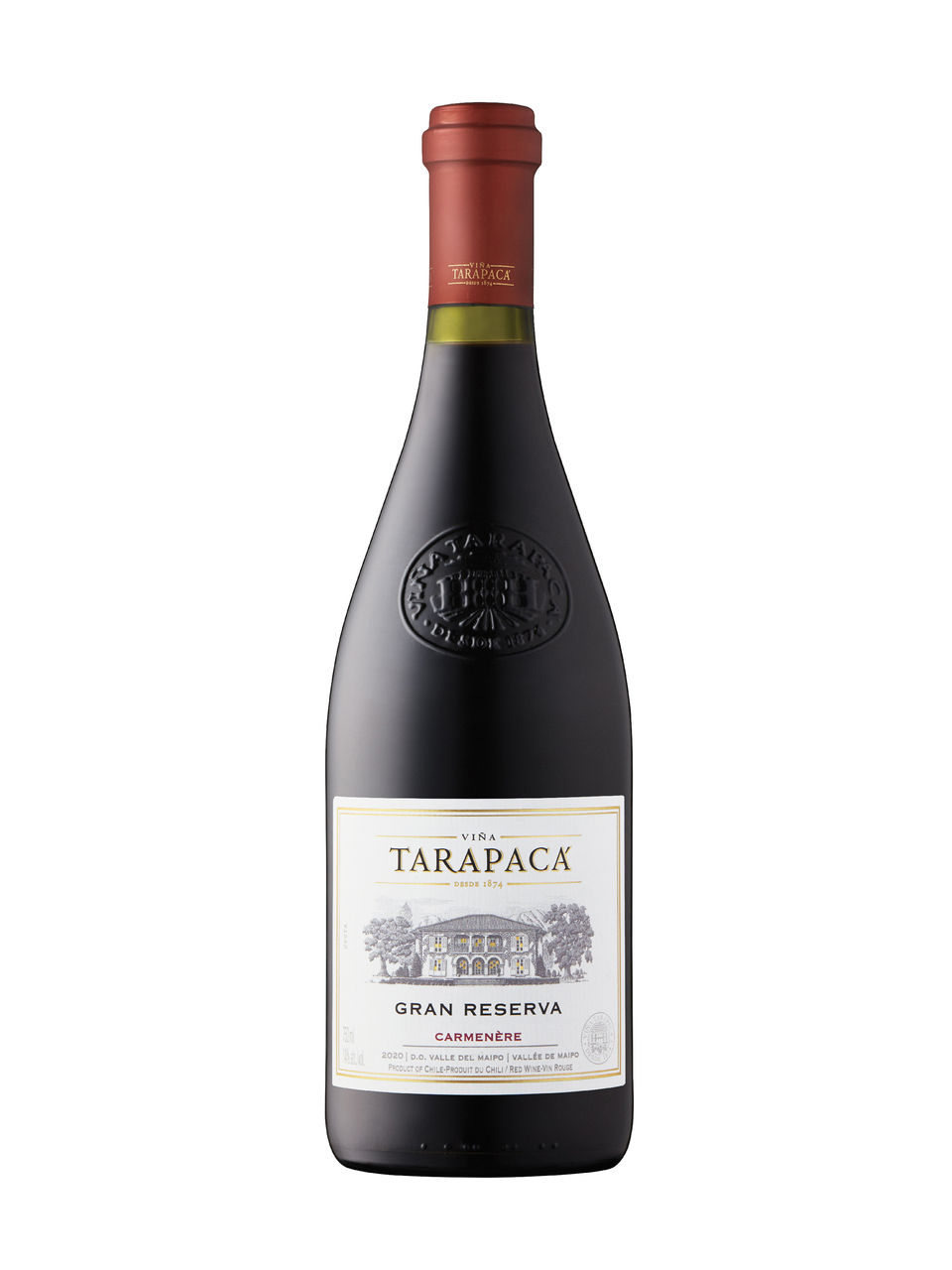
Chilean red wine is nothing to sneeze at as generally speaking it offers affordable quality. It doesn’t have to prove anything to me but since we are talking about Chilean wine let’s try a Viña Tarapacá Gran Reserva 2020 Carmenère from the Maipo Valley at $18.75.

The aromas signal a lush wine similar to a well-made Merlot from California. Notes of blueberry, black cherry, blackberry and loganberry jam. On the palate there is no doubt about a rich and plush wine that still maintains its definition as a solid as opposed to a flabby wine. In fact call it muscular but not cloistered and tight fisted with its fruit. The blueberry and blackberry is sharp edged keeping the wine in the serious category. The tannins are mild and the finish long and lingering with a bit of pepper. If you are a fan of full-bodied wines this is right and ready now. It will improve over a few years and should be consumed before 2026.

(Viña Tarapacá Gran Reserva Carmenére 2020, D.O. Vale del Maipo, Chile, Viña Tarapacá, Isla de Maipo, Chile, $18.75, 750 mL,13.5%, RKS Wine Rating 94/100)

“Travels to a Different Time” : 17June2007: Discovering Passau Germany

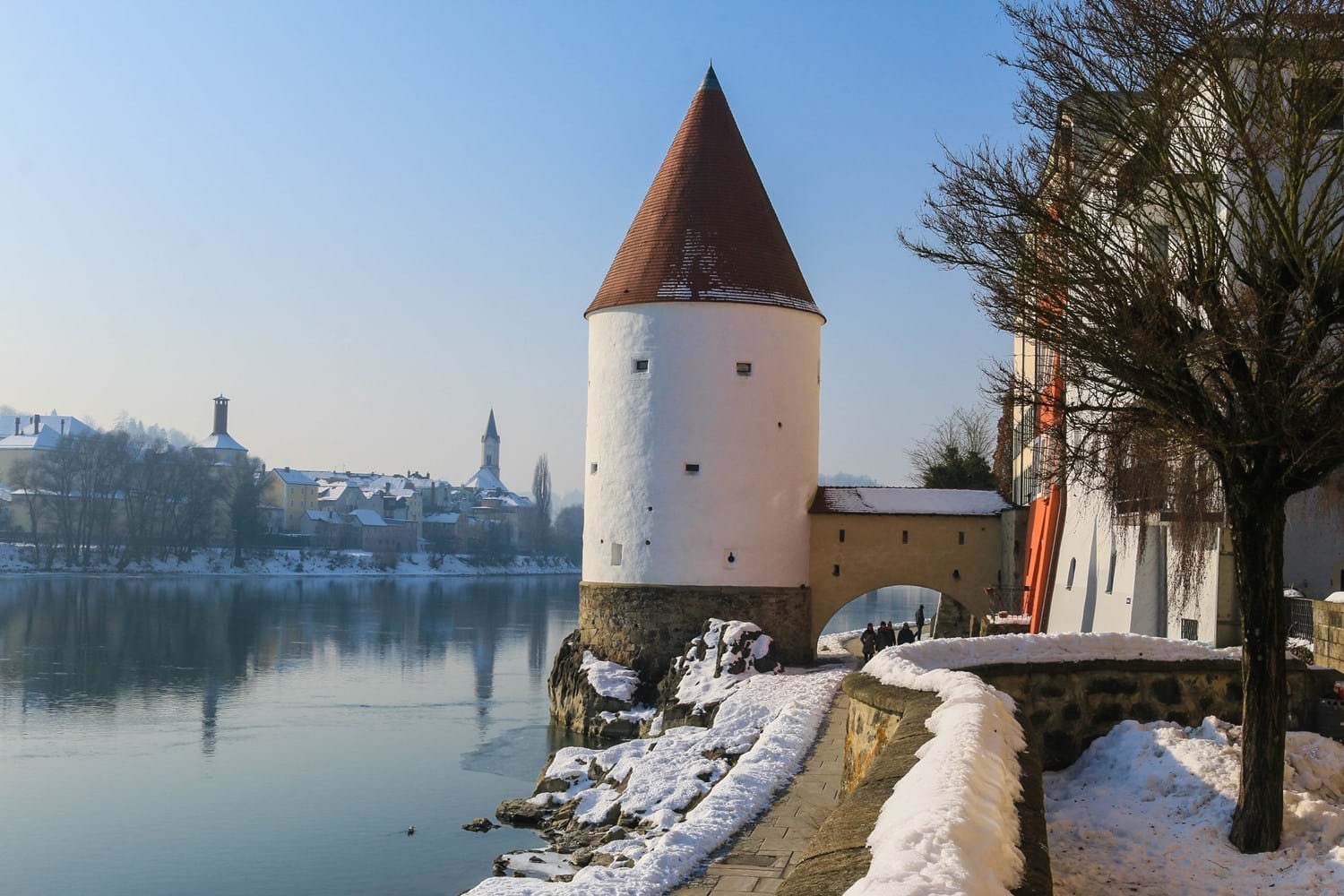
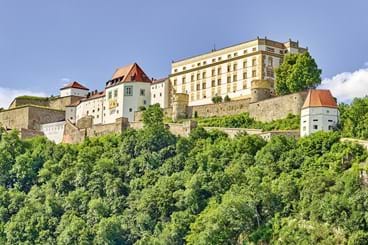
Nothing like a good sleep to give a fresher perspective on life. Up at 07:30 feeling more like a human being. Jet lag is the bane of travellers. A bit slow but not half dead. Had showers all round and that felt so good! Breakfast in the hotel in a cute and comfortable country dining room. Full of low talkers. American style buffet with scrambled eggs and cold cuts galore, cheese, yogurt and even green tea. A delicious repast. Rearranged the car from its claustrophobic parking space so exiting tomorrow on our trip to Wurzburg would be stress reduced. After that arrangement met Andrew and Fotini in the lobby and off the happy tourists went to discover Passau which is a gorgeous little town full of small winding streets the town being nestled between the Donau and Inns Rivers. Started at St. Stephan Church a very lavish church with its bare pillars representing boring human life with angels and saints near the ceiling acting as intermediaries between God and humans. Many tour groups including elderly polyester suited Americans. Next was the Neue Bischofrsidendz, The New Bishops Residence with a spectacular staircase with engraved marble throughout. The Altes Rathaus was the townhall with meeting rooms with opulent wood and gilded ceilings. Then the Veste Oberhaus a former castle turned museum with the history of Passau once a fiefdom of bishops that saw their power gradually erode. Took a break at Café Burg outside the Oberhaus where I had a Weiss Bier (wheat beer) with notes of cinnamon and cloves. Not a fan. Fotini and Andrew had eiskafe. We crossed the bridge and walked along the Inn River to the Schaiblingstram Tower built in 1841. There were many men drinking beer in the park.

63rd THESSALONIKI INTERNATIONAL FILM FESTIVAL FILM Line-Up

3-13/11/2022

LIST OF FILMS

OPENING FILM

  • THE FABELMANS, Steven SPIELBERG, USA, 2022, 151’

CLOSING FILM

  • CORSAGE, Marie KREUTZER, Austria-Luxembourg-Germany-France, 2022, 112’

INTERNATIONAL COMPETITION

Main Program

  • A PIECE OF SKY, Michael KOCH, Switzerland, 2022, 136’
  • BLUE JEAN, Georgia OAKLEY, UK, 97’
  • ●                    I HAVE ELECTRIC DREAMS, Valentina MAUREL, Belgium-France-Costa Rica, 2022, 100’
  • LISTEN, Maria DOUZA, Greece-Bulgaria, 2022, 108’
  • NARCOSIS, Martijn DE JONG, The Netherlands, 2022, 112’
  • PLAN 75, Chie HAYAKAWA, Japan- France-Philippines-Qatar, 2022, 113’
  • SILENCE 6-9, Christos PASSALIS, Greece, 2022, 81’
  • THE DAM, Ali CHERRI, France-Lebanon-Sudan-Qatar-Germany-Serbia, 2022, 81’
  • THUNDER, Carmen JAQUIER, Switzerland, 2022, 92’
  • TO THE NORTH, Mihai MINCAN, Romania-Greece-Bulgaria-Czech Republic-France, 2022, 122’
  • WOLF AND DOG, Cláudia VAREJÃO, Portugal-France, 2022, 111’

Out of Competition 

  • AXIOM, Jöns JÖNSSON, Germany, 2022, 112’
  • LOLA, Andrew LEGGE, Ireland-UK, 79’
  • LOVE ACCORDING TO DALVA, Emmanuelle NICOT, Belgium-France, 2022, 83’
  • ROBE OF GEMS, Natalia LÓPEZ-GALLARDO, Mexico-Argentina, 2022, 118’
  • RODEO, Lola QUIVORON, France, 2022, 106’
  • THE FIVE DEVILS, Léa MYSIUS, France, 95’
  • THE SPARROW, Michael KINIRONS, Ireland, 2022, 92’
  • WAR PONY, Gina GAMMELL & Riley KEOUGH, USA, 115’

MEET THE NEIGHBORS

Main Program

  • ASHKAL, Youssef CHEBBI, France-Tunisia, 2022, 94’
  • BEHIND THE HAYSTACKS, Asimina PROEDROU, Greece-Germany-North Macedonia, 2022, 108’
  • BLACK STONE, Spiros JACOVIDES, Greece, 2022, 87’
  • DIRTY DIFFICULT DANGEROUS, Wissam CHARAF, France-Italy-Lebanon-Qatar-Saudi Arabia, 2022, 84’
  • KLONDIKE, Maryna ER GORBACH, Ukraine-Türkiye, 2022, 100’
  • LUXEMBOURG, LUXEMBOURG, Antonio LUKICH, Ukraine, 2022, 106’
  • SAFE PLACE, Juraj LEROTIĆ, Croatia, 2022, 102’
  • THE TASTE OF APPLES IS RED, Ehab TARABIEH, Israel-Germany, 2022, 84’
  • ●                    UNDER THE FIG TREES, Erige SEHIRI, Tunisia-France-Switzerland-Germany-Qatar, 2022, 93’
  • ●                    VALERIA IS GETTING MARRIED, Michal VINIK, Israel, 2022, 76’

Out of Competition

  • ●             BOY FROM HEAVEN, Tarik SALEH, Sweden-France-Finland, 2022, 125’
  • ●             BUTTERFLY VISION, Maksym NAKONECHNYI, Ukraine-Czech Republic-Croatia-Sweden, 2022, 107’
  • ●             CONCERNED CITIZEN, Idan HAGUEL, Israel, 2022, 83’
  • ●             HOW IS KATIA?, Christina TYNKEVYCH, Ukraine, 2022, 102’

>> FILM FORWARD

  • A HUMAN POSITION, Anders EMBLEM, Norway, 2022, 79’
  • A LITTLE LOVE PACKAGE, Gastón SOLNICKI, Austria-Argentina, 2022, 80’
  • BASTARDS, Nikos PASTRAS, Greece, 2022, 94’
  • DIGNITY, Dimitris KATSIMIRIS, Greece, 2022, 75’
  • MY EMPTINESS AND I, Adrián SILVESTRE, Spain, 2022, 98’
  • PHANTOM PROJECT, Roberto DOVERIS, Chile, 2022, 97’
  • PIAFFE, Ann OREN, Germany, 2022, 86’
  • RETREAT, Leon SCHWITTER, Switzerland, 2022, 82’
  • RUNNER, Marian MATHIAS, USA-France-Germany, 2022, 76’
  • TOMMY GUNS, Carlos CONCEIÇÃO, Portugal-France-Angola, 2022, 119’
  • UNREST, Cyril SCHÄUBLIN, Switzerland, 2022, 93’

>>FILM FORWARD – TRIBUTE TO PETER TSCHERKASSKY

  • COMING ATTRACTIONS, Peter TSCHERKASSKY, Austria, 2010, 25’
  • DREAM WORK, Peter TSCHERKASSKY, Austria, 2001, 11’
  • GET READY, Peter TSCHERKASSKY, Austria, 1999, 1’
  • HAPPY-END, Peter TSCHERKASSKY, Austria, 1996, 11’
  • INSTRUCTIONS FOR A LIGHT AND SOUND MACHINE, Peter TSCHERKASSKY, Austria, 2005, 17’
  • L’ARRIVÉE, Peter TSCHERKASSKY, Austria, 1998, 3’
  • MANUFRACTURE, Peter TSCHERKASSKY, Austria, 1985, 3’
  • NACHTSTUECK (NOCTURNE) (MOZART MINUTE 9), Peter TSCHERKASSKY, Austria, 2006, 1’
  • OUTER SPACE, Peter TSCHERKASSKY, Austria, 1999, 10’
  • PARALLEL SPACE: INTER-VIEW, Peter TSCHERKASSKY, Austria, 1992, 18’
  • THE EXQUISITE CORPUS, Peter TSCHERKASSKY, Austria, 2015, 19’
  • TRAIN AGAIN, Peter TSCHERKASSKY, Austria, 2021, 20’

>> FILM FORWARD – TRIBUTE TO EVE HELLER

  • ASTOR PLACE, Eve HELLER, USA, 1997, 10’
  • BEHIND THIS SOFT ECLIPSE, Eve HELLER, USA, 2004, 9’
  • CREME 21, Eve HELLER, Austria-USA, 2013, 9’
  • HER GLACIAL SPEED, Eve HELLER, USA, 2001, 5’
  • JUICE, Eve HELLER, Austria-USA, 1982, 5’
  • LAST LOST, Eve HELLER, USA, 1996, 13’
  • ONE, Eve HELLER, USA-Austria, 1978, 4’
  • SELF-EXAMINATION REMOTE CONTROL, Eve HELLER, USA-Austria, 1981, 5’
  • SINGING IN OBLIVION, Eve HELLER, Austria, 2021, 13’

IMMERSIVE / VR

  • ALL THAT REMAINS, Craig QUINTERO, Taiwan, 2022, 12’
  • COSMIC•ATOMIC, Christopher BOULTON, USA, 2022, 10’
  • CYCLE OF VIOLENCE, Felicia Bergström, Germany, 2022, 8’ (VR)
  • DIAGNOSIA, Mengtai ZHANG & Lemon GUO, USA, 2021, 33’
  • FROM THE MAIN SQUARE, Pedro HARRES, Germany, 2022, 19’
  • RED EYES, Sngmoo LEE, South Korea, 2021, 17’
  • SEEDS OF LIFE, Christine SAAB & Leto MEADE, UK, 2021, 7’
  • STAY ALIVE, MY SON, Victoria BOUSIS, Greece-USA, 2022, 55’

GREEK FILM FESTIVAL

First Run

  • A NIGHT AT THE THEATER, Sotiris STAMATIS, Greece, 2022, 92’
  • BASTARDS, Nikos PASTRAS, Greece, 2022, 94’
  • BEHIND THE HAYSTACKS, Asimina PROEDROU, Greece-Germany-North Macedonia, 2022, 108’
  • BLACK STONE, Spiros JACOVIDES, Greece, 2022, 87’
  • BLOSSOMS TO BLOSSOMS, Yorgos ATHANASIOU, Greece, 2022, 76’
  • DIGNITY, Dimitris KATSIMIRIS, Greece, 2022, 75’
  • LISTEN, Maria DOUZA, Greece-Bulgaria, 2022, 108’
  • MISTY LINE, Menios CARAYANNIS, Greece, 2022, 89’
  • PURGATORY, Vassilis MAZOMENOS, Greece, 2022, 95’
  • SILENCE 6-9, Christos PASSALIS, Greece, 2022, 81’
  • TRAVELLING GHOSTS, Thanos ANASTOPOULOS, Greece-Italy, 2022, 101’

Crossing Borders

  • CAVEWOMAN, Spiros STATHOULOPOULOS, Greece-Colombia-USA, 2022, 100’
  • IMAN, Corinna AVRAAMIDOU & Kyriacos TOFARIDES, Cyprus, 2022, 110’
  • IOANNA, Albrecht HIRCHE, Greece-North Macedonia-Germany, 2021, 87’
  • PARIS IS IN HARLEM, Christina KALLAS, USA, 2022, 110’

A Second Viewing

  • A DAY IN THE LIFE OF A TEDDY BEAR, Vassilis XIROS, Greece-China, 2021, 106’
  • BROADWAY, Christos MASSALAS, Greece-France-Romania, 2022, 97’
  • MEDEA, Dimitri ATHANITIS, Greece, 2022, 82’

Special Screening

  • DODO, Panos H. KOUTRAS, Greece-France-Belgium, 2022, 132’

Spotlight on Theo Angelopoulos

  • RECONSTRUCTION, Theo ANGELOPOULOS, Greece, 1970, 110’
  • TO EACH THEIR VOICE: THEO ANGELOPOULOS & NIKOS PANAYOTOPOULOS, Greece, Antonis KOKKINOS & Yannis SOLDATOS, Greece, 2022, 76’ 

Special Screening – Honorary Golden Alexander to Finos Film

  • MY FRIEND, LEFTERAKIS, Alekos SAKELLARIOS, Greece, 1963, 90’

Universally Accessible Screenings SDH / AD

  • IT’S A LONG ROAD, Pantelis VOULGARIS, Greece, 1998, 118’
  • RECONSTRUCTION, Theo ANGELOPOULOS, Greece, 1970, 110’

 Spotlight on Maria Gavala

  • ON LOVE, Maria GAVALA & Theodoros SOUMAS, Greece, 1982, 91’
  • THE MAGIC GLASS, Maria GAVALA, Greece, 1988, 103’
  • THE SCENT OF VIOLETS, Maria GAVALA, Greece, 1985, 91’

Spotlight on Maria Plyta

  • EVA, Maria PLYTA, Greece, 1953, 83’
  • THE ENGAGEMENT, Maria PLYTA, Greece, 1950, 90’

Awarded Short Films of the 45th Drama International Short Film Festival

  • 5pm SEASIDE, Valentin STEJSKAL, Greece, 2022, 26’
  • ALL THAT REMAINS, Semeli SAFOU, Greece, 2022, 8’
  • CACTUS, Dimitris ZOURAS, Greece, 2022, 20’
  • DAPHNE, Tonia MISHIALI, Cyprus, 2022, 18’
  • HUSSIES, Despina MAVRIDOU, Greece, 2022, 29’
  • KIDDO, Michalis KIMONAS, Greece, 2022, 12’
  • LAST SIGH, Haris RAFTOGIANNIS, Greece, 2022, 15’
  • LOVE YOU MORE THAN PEANUT BUTTER, Ariadni-Angeliki THYFRONITOU-LITOU, Greece, 2022, 8’
  • MAGMA, Lia TSALTA, Greece, 2022, 18’
  • NOT TOMORROW, Amerissa BASTA, Greece-France, 2022, 20’
  • ON XERXES’ THRONE, Evi KALOGIROPOULOU, Greece, 2022, 16’
  • PENDULUS, Dimitris GOTSIS, Greece, 2022, 18’
  • SAMMER, Stelios CHRISTOFOROU, Greece, 2022, 26’
  • SUN & SHADOW, Melina LOUKANIDOU, Greece, 2022, 15’
  • tokakis OR WHAT’S MY NAME, Thanos TOKAKIS, Greece, 2022, 21’
  • TOXIC MAGNUS, Nasos GATZOULIS, Greece, 2022, 10’
  • TRIXES, Ioanna DIGENAKI, Greece, 2022, 11’
  • UNDER THE LAKE, Thanasis TROUMPOUKIS, Greece-Finland, 2022, 16’
  • YAMA, Andreas VAKALIOS, Greece, 2022, 15’

TRIBUTE TO INDIGENOUS CINEMA

  • ATANARJUAT: THE FAST RUNNER, Zacharias KUNUK, Canada, 2001, 161’ 
  • beDEVIL, Tracey MOFFATT, Australia, 1993, 87’
  • BIRDWATCHERS, Marco BECHIS, Brazil-Italy, 2008, 104’
  • GERÓNIMA, Raúl TOSSO, Argentina, 1986, 95’
  • HEART OF TIME, Alberto CORTÉS, Mexico, 2008, 91’
  • NGĀTI, Barry BARCLAY, New Zealand, 1987, 91’
  • SAMI BLOOD, Amanda KERNELL, Sweden-Denmark-Norway, 2016, 110’
  • SAMSON & DELILAH, Warwick THORNTON, Australia, 2009, 101’
  • SEVEN SONGS FROM THE TUNDRA, Anastasia LAPSUI & Markku LEHMUSKALLIO, Finland, 2000, 90’
  • TANNA, Bentley DEAN & Martin BUTLER, Australia-Vanuatu, 2015, 104’
  • THE EXILES, Kent MACKENZIE, USA, 1961, 72’
  • THE ORATOR, Tusi TAMASESE, New Zealand-Samoa, 2011, 111’
  • THE QUISPE GIRLS, Sebastián SEPÚLVEDA, Chile-France-Argentina, 2013, 80’

Short Films

  • BLACKBIRD, Amie BATALIBASI, Australia, 2015, 13’
  • SNOW IN PARADISE, Nikki SI’ULEPA & Justine SIMEI-BARTON, New Zealand, 2012, 9’
  • THE BALLAD OF CROWFOOT, Willie DUNN, Canada, 1968, 10’
  • WHEN ALL THE LEAVES ARE GONE, Alanis OBOMSAWIN, Canada, 2010, 17’

TRIBUTE TO PETER STRICKLAND

  • A METAPHYSICAL EDUCATION, Peter STRICKLAND, Hungary, 2004, 4’
  • BERBERIAN SOUND STUDIO (short version), Peter STRICKLAND, UK, 2005, 1’
  • BERBERIAN SOUND STUDIO, Peter STRICKLAND, UK, 2012, 92’
  • BLANK NARCISSUS (PASSION OF THE SWAMP), Peter STRICKLAND, UK, 2022, 12’
  • COBBLERS’ LOT, Peter STRICKLAND, Hungary, 2017, 12’
  • COLD MERIDIAN, Hungary-UK, 2020, 7’
  • FLUX GOURMET, Peter STRICKLAND, UK-USA-Hungary, 2022, 109’
  • GUO4, Peter STRICKLAND, Hungary-UK, 2019, 3’
  • IN FABRIC, Peter STRICKLAND, UK, 2018, 118’
  • KATALIN VARGA, Peter STRICKLAND, Romania-UK, 2009, 84’
  • THE DUKE OF BURGUNDY, UK, 2014, 105’

SPOTLIGHT ON PETER BROOK

  • BROOK BY BROOK, Simon BROOK, France-Belgium, 2002, 71’
  • LORD OF THE FLIES, Peter BROOK, UK, 1963, 91’
  • MODERATO CANTABILE, Peter BROOK, France, 1960, 94’
  • TELL ME LIES (A FILM ABOUT LONDON), Peter BROOK, UK, 1968, 99’
  • THE MAHABHARATA, Peter BROOK, USA-UK-France, 1989, 313’

BALKAN SURVEY

  • A BALLAD, Aida BEGIĆ, Bosnia & Herzegovina-France, 2022, 116’
  • BURNING DAYS, Emin ALPER, Türkiye-France-Germany-The Netherlands-Greece-Croatia, 2022, 131’
  • CLOVES & CARNATIONS, Bekir BÜLBÜL,Türkiye, 2022, 103’
  • MEN OF DEEDS, Paul NEGOESCU, Romania-Bulgaria, 2022, 106’
  • METRONOM, Alexandru BELC, Romania-France, 2022, 102’
  • THE GOOD DRIVER, Tonislav HRISTOV, Finland-Sweden-Bulgaria, 2022, 99’
  • THE HAPPIEST MAN IN THE WORLD, Teona STRUGAR MITEVSKA, North Macedonia-Belgium-Slovenia-Denmark-Croatia, Bosnia & Herzegovina, 2022, 96’
  • THE LIFE OF A SNOWFLAKE, Kazim ÖZ,Türkiye, 2022, 111’
  • THE UNCLE, David KAPAC & Andrija MARDEŠIĆ, Croatia-Serbia, 2022, 104’
  • WORKING CLASS HEROES, Miloš PUŠIĆ, Serbia, 2022, 85’

BALKAN SHORTS

  • FRAGMENTATIONS, Miruna MINCULESCU, Romania, 2021, 25’
  • MONA LISA, Veselka KUNCHEVA, Bulgaria, 2021, 10’
  • MONEY AND HAPPINESS, Ana NEDELJKOVIĆ & Nikola MAIDAK JR., Serbia-Slovenia-Slovakia, 2022, 10’
  • THE MOISTURE, Turan HASTE, Türkiye, 2022, 21’
  • THE POTEMKINISTS, Radu JUDE, Romania, 2022, 18’
  • WHEN CLOUDS GROW TOWARDS EACH OTHER, Iulian Daniel POPA, Romania, 2022, 13’

TRIBUTE TO ALEKSANDAR PETROVIĆ

  • AND LOVE HAS VANISHED, Aleksandar PETROVIĆ, Yugoslavia, 1961, 79’
  • DAYS, Aleksandar PETROVIĆ, Yugoslavia, 1963, 74’
  • I EVEN MET HAPPY GYPSIES, Aleksandar PETROVIĆ, Yugoslavia, 1967, 86’
  • IT RAINS IN MY VILLAGE, Aleksandar PETROVIĆ, Yugoslavia-France, 1968, 76’
  • MIGRATIONS – THE MOST GLORIOUS OF WARS, Aleksandar PETROVIĆ, France-Yugoslavia, 1989, 119’
  • THE MASTER AND MARGARITA, Aleksandar PETROVIĆ, Yugoslavia-Italy, 1972, 95’
  • THREE, Aleksandar PETROVIĆ, Yugoslavia, 1965, 79’

SPECIAL SCREENINGS

  • CITY OF GHOSTS, Mat DILLON, USA, 2002, 116’
  • EMPIRE OF LIGHT, Sam MENDES, UK-USA, 2022, 119’
  • FOREVER YOUNG, Valeria BRUNI-TEDESCHI, France, 2022, 126’
  • GODLAND, Hlynur PÁLMASON, Denmark-Iceland-France-Sweden, 2022, 143’
  • LIVING, Oliver HERMANUS, UK, 2021, 102’
  • LORD OF THE ANTS, Gianni AMELIO, Italy, 2022, 134’
  • MANTICORE, Carlos VERMUT, Spain, 2022, 116’
  • MARIUPOLIS 2, Mantas KVEDARAVIČIUS, Lithuania-France-Germany, 2022, 112’
  • NO BEARS, Jafar PANAHI, Iran, 2022, 107’
  • PACIFICTION, Albert SERRA, France-Spain-Germany-Portugal, 2022, 165’
  • PETER VON KANT, François OZON, France, 2022, 85’
  • RETURN TO DUST, LI Ruijun, China, 2022, 133’
  • RHINEGOLD, Fatih AKIN, Germany-The Netherlands-Morocco-Mexico, 2022, 140’
  • RIMINI, Ulrich SEIDL, Austria-France-Germany, 2022, 115’
  • THAT KIND OF SUMMER, Denis CÔTÉ, Canada, 2022, 138’
  • THE BEASTS, Rodrigo SOROGOYEN, Spain-France, 2022, 120’
  • THE EIGHT MOUNTAINS, Felix VAN GROENINGEN & Charlotte VANDERMEERSCH, Italy-France-Belgium, 2022, 145’
  • THE ETERNAL DAUGHTER, Joanna HOGG, 2022, UK, 96’
  • THE LISTENER, Steve BUSCEMI, USA, 2022, 96’
  • THE NOVELIST’S FILM, HONG Sang-soo, South Korea, 2022, 92’
  • THE WHALE, Darren ARONOFSKY, USA, 2021, 117’
  • TORI AND LOKITA, Jean-Pierre DARDENNE & Luc DARDENNE, Belgium-France, 2022, 88’
  • WALK UP, HONG Sang-soo, South Korea, 2022, 97’
  • WILD FLOWERS, Jaime ROSALES, Spain-France, 2022, 107’
  • WILL-O’-THE-WISP, João Pedro RODRIGUES, France-Portugal, 2022, 67’
  • WINTER BOY, Cristophe HONORÉ, France, 2022, 123’

SPECIAL SCREENING COSMOTE

  • THE OTHER ME: THE BEGINNING OF THE END, Sotiris TSAFOULIAS, Greece, 2022

ROUND MIDNIGHT

  • DE NOCHE LOS GATOS SON PARDOS, Valentin MERZ, Switzerland, 2022, 110’
  • INCREDIBLE BUT TRUE, Quentin DUPIEUX, France-Belgium, 2021, 74’
  • LEONOR WILL NEVER DIE, Martika RAMIREZ ESCOBAR, Philippines, 2022, 99’
  • NANNY, Nikyatu JUSU, USA, 2022, 98’
  • NIGHTSIREN, Tereza NVOTOVÁ, Slovakia-Czech Republic, 2022, 110’
  • NOCEBO, Lorcan FINNEGAN, Ireland-Philippines, 2022, 96’
  • PIGGY, Carlota PEREDA, Spain, 2021, 99’
  • PORNOMELANCOLÍA, Manuel ABRAMOVICH, Argentina-Brazil-France, 2022, 94’
  • SOMETHING IN THE DIRT, Aaron MOORHEAD & Justin BENSON, USA, 2022, 116’
  • SPEAK NO EVIL, Christian TAFDRUP, Denmark, 2021, 97’

OPEN HORIZONS

Main Program

  • A E I O U – A QUICK ALPHABET OF LOVE, Nicolette KREBITZ, Germany-France, 2022, 104’
  • A MATTER OF TRUST, Annette K. OLESEN, Denmark, 2022, 105’
  • ALMA VIVA, Cristèl ALVES MEIRA, France-Portugal-Belgium, 2022, 88’
  • BEAUTIFUL BEINGS, Guðmundur Arnar GUÐMUNDSSON, Iceland-Denmark-Sweden-The Netherlands-Czech Republic, 2022, 123’
  • BEFORE, NOW & THEN, Kamila ANDINI, Indonesia, 2022, 103’
  • BLANQUITA, Fernando GUZZONI, Chile-Mexico, Luxembourg-France-Poland, 2022, 98’
  • EISMAYER, David WAGNER, Austria, 2022, 87’
  • EMILY THE CRIMINAL, John PATTON FORD, USA, 2022, 94’
  • FOOLS, Tomasz WASILEWSKI, Poland-Romania-Germany, 2021, 115’
  • LULLABY, Alauda RUIZ DE AZÚA, Spain, 2022, 104’
  • MARS ONE, Gabriel MARTINS, Brazil, 2022, 115’
  • MOTHER AND SON, Léonor SERAILLE, France, 2022, 117’
  • NEXT SOHEE, July JUNG, South Korea, 2022, 135’
  • REBEL, Adil EL ARBI & Bilall FALLAH, Belgium-Luxembourg-France, 2022, 135’
  • ROUNDING, Alex THOMPSON, USA, 2022, 91’
  • SOMEWHERE OVER THE CHEMTRAILS, Adam KOLOMAN RYBANSKÝ, Czech Republic, 2022, 86’
  • SONS OF RAMSES, Clément COGITORE, France, 2022, 99’
  • SURO, Mikel GURREA, Spain, 2022, 117’
  • THE KINGS OF THE WORLD, Laura MORA, Colombia-Luxembourg-France-Mexico-Norway, 2022, 110’
  • THE LAST QUEEN, Damien OUNOURI & Adila BENDIMERAD, Algeria-France-Saudi Arabia-Qatar-Taiwan, 2022, 114’
  • THE LINE, Ursula MEIER, Switzerland-France-Belgium, 2022, 103’
  • THE PASSENGERS OF THE NIGHT, Mikhaël HERS, France, 2022, 111’
  • THE VOLUNTEER, Nely REGUERA, Spain-Greece, 2022, 101’
  • VERA, Tizza COVI & Rainer FRIMMEL, Austria, 2022, 115’
  • VICTIM, Mikhal BLAŠKO, Slovakia-Czech Republic-Germany, 2022, 91’
  • WORLD WAR III, Houman SEYEDI, Iran, 2022, 107’

Another Take

  • A LOVE SONG, Max WALKER-SILVERMAN, USA, 2022, 81’
  • A MALE, Fabian HERNÁNDEZ, Colombia-France-The Netherlands-Germany, 2022, 82’
  • BLAZE, Del Kathryn BARTON, Australia, 2022, 101’
  • CONVENIENCE STORE, Michael BORODIN, Russia-Slovenia-Türkiye, 2022, 106’
  • HOT IN DAY, COLD AT NIGHT, PARK Song-yeol, South Korea, 2021, 90’
  • LA JAURÍA, Andrés RAMÍREZ PULIDO, France-Colombia, 2022, 88’
  • MAGDALA, Damien MANIVEL, France, 2022, 78’
  • OCTOPUS SKIN, Ana Cristina BARRAGÁN, Ecuador-Greece-Germany-Mexico-France-Italy, 2022, 100’
  • OTHER PEOPLE, Aleksandra TERPINSKA, Poland-France, 2021, 102’ 
  • PALM TREES AND POWER LINES, Jamie DACK, USA, 2022, 110’
  • SICK OF MYSELF, Kristoffer BORGLI, Norway, 2022, 97’
  • SMALL, SLOW BUT STEADY, Shô MIYAKE, Japan-France, 2022, 100’
  • SONNE, Kurdwin AYUB, Austria, 2022, 88’
  • SUMMER SCARS, Simon RIETH, France, 2022, 105’
  • THE COW WHO SANG A SONG INTO THE FUTURE, Francisca ALEGRÍA, Chile-France-USA-Germany, 2022, 98’
  • THE MOUNTAIN, Thomas SALVADOR, France, 2022, 115’
  • THE ORDINARIES, Sophie LINNENBAUM, Germany, 2022, 120’
  • THE RITE OF SPRING, Fernando FRANCO, Spain, 111’
  • THE STRANGE CASE OF JACKY CAILLOU, Lucas DELANGLE, France, 2022, 92’
  • THE WORST ONES, Lise AKOKA & Romane GUERET, France, 2022, 101’
  • TRENQUE LAUQUEN, Laura CITARELLA, Argentina-Germany, 2022, 262’
  • WE MIGHT AS WELL BE DEAD, Natalia SINELNIKOVA, Germany, 2022, 94’
  • ΤΗΕ WOODCUTTER STORY, Mikko MYLLYLAHTI, Finland-The Netherlands-Denmark-Germany, 2022, 99’

NEXT GEN

  • ARE YOU OK?, Ryan CANNON, USA, 2021, 8’
  • BIGMAN, Camiel SCHOUWENAAR, The Netherlands-Germany, 2022, 90’
  • COMEDY QUEEN, Sanna LENKEN, Sweden, 2021, 94’
  • DAD’S SNEAKERS, Olha ZHURBA, Ukraine, 2021, 19’
  • DOUNIA AND THE PRINCESS OF ALEPPO, Marya ZARIF & André KADI, Canada, 2022, 74’
  • FAKE LAKE, Anastasis DALLIS, Greece, 2022, 4’
  • GAJA’S WORLD – THIS IS MY PLANET!, Peter BRATUŠA, Slovenia, 2022, 97’
  • HARTA, Júlia DE PAZ SOLVAS, Spain, 2021, 24’
  • HOW I LEARNED TO FLY, Radivoje ANDRIĆ, Serbia-Croatia-Bulgaria-Slovakia, 2022, 89’
  • THE INVENTION OF LESS, Noah ERNI, Switzerland, 2021, 3’

“Travels to a Different Time ” : 16June2007: Passau Germany: Bavarian Beer Obsession

Left the house at 17:30 for limo ride to Toronto Pearson Airport. Sent to the wrong line for check in. The new system of checking in online then again checking in again at the airport is idiotic. What time does it save? After waiting in a massive line in the wrong check-in counter as directed by Air Canada personnel I complained and Air Canada sent us to priority check in. Seated differently as usual on Air Canada. A vile dinner of rice and chicken and gross soggy carrot salad. Breakfast was a Del Monte fruit cup. Canned fruit salad. You must be kidding. A unhealthy cake style muffin with at least some edible yogurt. Arrived in Munich at 10:00 and off in our B Class Mercedes with GPS. Two hours later in Passau at our hotel the Weiser Haus which is right in town. Parking the car was a nightmare. Inches on either side! A pathetic view from the hotel room looking at some garbage cans below but I was just too tired to fight. Germans, Mexicans and all hotels give you the worst rooms possible. Part of their creed. Up at 17:30 for a walk in the neighbourhood and a dark donkel beer. Bavaria is beer obsessed with the average consumption per person being 240 litres. Even the women drink beer here. At our dinner in the Hotel Konig we were the only patrons drinking wine (Muller Thurgau) as everyone else was drinking all different types of beer in huge mugs. We had a great view of the Donau River with steep cliffs on its banks all very steep and covered in greenery. Andrew and Fotini had schnitzel with cranberry jam and potatoes. I had a pork cutlet topped with melted cheese and pasta. Home to bed and slept like a rock until 08:00.

RKS Film: “Waking up Dead”: Rock Bottom to Death or Salvation?

If you have viewed the 1947 or 2021 version of “Nightmare Alley” you have a very vivid recollection of what rock bottom is. In that film there was rock bottom to start, then success and then a horrific nightmarish rock bottom. In “Waking Up Dead” there would be a linear line of a descent to rock bottom. Will it lead to death or salvation?

Yes we have all seen rock bottom films that lead to destruction or rebirth. So the plot here is hardly new and the rock bottom for an actor is also hardly brand new. Take for example “The Bad and the Beautiful” (1952) with Kirk Douglas as a ruthless manipulative movie director and Lana Turner as actress Georgia Lorrison who has taken to drink and ruination.

In “Waking up Dead” Danny Maldonado (Gabriel Sousa) is an actor in Los Angeles with some limited success but is in a dry spell. He is a self absorbed, promiscuous, callous and selfish man heading in a nasty downward spiral. His boyfriend leaves him, his agent dumps him, bill collectors are hounding him, he has been evicted from his apartment, his drug addict mother is dying and he loses a part in a Netflix series that could have reinvigorated his career. He has erectile dysfunction, runs out off toothpaste and soap in the bathroom and he can’t even succeed in hanging himself. He is also awfully stupid looking with his obsession with t-shirts assaulting the viewer with his armpit hair and doofus earrings.

But Lila (Judy Geeson) a former famous actress now a real estate agent is suffering the death of her son to a heroin overdose adds some levity to the film with her high-toned acting ability and tries to right the sinking Danny ship. He cruelly insults her and drives her off. Danny is a loser asshole no?

With a double-talking miserable wretch of an agent beautifully played by Traci Lords that exposes the shallow “fame for the moment agent”. Her motto is she only needs clients if they are successful and that is the closest they get to true friendship.

Is this a comedy? There are comedic moments but such moments do not propel the movie to comedic levels. The film is about desperation, infidelity, shallowness of Hollywood edifications with elements of LGBTQ satirization particularly Danny’s dress style. Crudely put it is payback time for a prick. Will the heroin in his veins be a fitting end or can miserable characters find salvation in hitting rock bottom? Give Hollywood rock bottom films he has a 50/50 chance of survival and lesser odds of being saved. Does Danny wake up dead or alive or does he wake up at all?

The director is Terracino.

You can see the trailer here https://www.youtube.com/watch?v=UuACQuz8jV8

The film is available on VOD and DVD, digital platforms including iTunes, Amazon Prime Video, Google Play, Vudu, Vimeo and some local cable and satellite providers.

RKS Film Rating 78/100.

RKS True Story: My 13 Hours in a Maximum-Security Prison

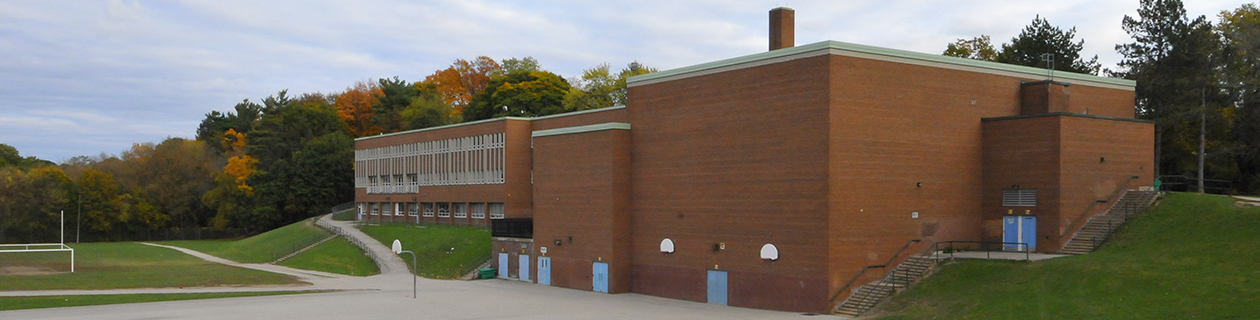
Always game for a new experience I have moved on from acting as a golf marshal to an election official in Ontario. A few months ago it was for the Ontario provincial election. The polling station was in a condominium party room which was comfortable with a fridge and a microwave and immaculate bathrooms. Yesterday it was at Glenview Public Senior School in Toronto. A strait no stop 13-hour day in a school gym with harsh fluorescent lighting throughout used as a torture technique to disorient by interrogators throughout the world. The school was crumbling apart having been built in 1966. Classrooms looked like holding pens and offices looked more like secure guard outposts than anything else. Pity on these poor children. Pity on us poor election workers. If I work in the next federal election, I hope it will be a Ritz-Carlton. It is not easy working in a building that looks like a juvenile detention centre both in and out.

“Travels to a Different Time” : August 2006: Trip from Samos to Ephesus in Turkey

Fotini, Andrew and I took the trip from Samos to Ephesus 6 years ago so I suppose it is only fair that Alexandra see it so off we went on the “Samos Spirit” a bit of a rust bucket across a few kilometres to Turkey. We left the house at 07:15 and stopped at a bakery near the Port for a tahnitiropita, spanakopita and some juice and consumed our delicious breakfast waiting for the boat. We had to be processed at Greek immigration and ended up departing an hour late. Greek immigration was far from official looking with no uniforms and the custom’s officers smoking. The water was as clear as glass unlike our return years ago where a multitude of passengers were sickened by the swells. Again highly aggravated with Turkish customs at Kusadesi holding our passports which is against all my rules of travelling. I guard my passport like a ferocious lion. 3 tour buses for the Greeks and one for the non-Greeks. I have already described Ephesus so won’t repeat myself. Impressive but for some reason the restoration by the Turks of this Greco Roman ancient city seems “artificial”. Alexandra enjoyed it so that is what counts. A stupid stop again at a “Turkish artisanal” workshop which was a stop at a Turkish carpet retailer hustling the tourists relentlessly. The Turks are persistent and obnoxious selling their goods to tourists. Best friends initially but waning interest is dramatically converted into a deep wound to the Turkish soul. Some may find it exciting but having made several trips to Turkey it is obnoxious. As a last comment the Turks are quick to call Ephesus Turkish ruins. However the fact is they are Greco-Roman ruins. We stopped for a lunch at a tourist trap assembly line restaurant. I know Turkish cuisine can excel but in this case the food was mediocre. Back home at 20:00.

“Travels to a Different Time” : August 2006 The Death of a Neighbour in Samos

The day after the Samos Wine Festival we heard a man moaning very loudly in the middle of the night. It sounded like moans of pain or someone trying to communicate or perhaps a bit of both. It was Harry the grandfather just up the way next door who had suffered a stroke a few months before we arrived in Samos. The next day for most of the day the moaning continued with two daughters who were besides themselves. In the early afternoon an older man and a preteen arrived with a stretcher who carried down Harry some 50 steps to the main street and then to the hospital. The two daughters informed us in the early evening that Harry was not expected to make it through the night. Well the two daughters were crying next morning as Harry died in the hospital in the early morning. In a couple of days the relatives arrived and Harry was buried. We learnt that doctors neglected to inform the family that Harry was riddled with cancer. A very paternalistic attitude not seen in Canada since the 1950’s.