It is not easy to dip below $14.95 for Liquor Control Board of Ontario Vintage releases. For example, there are only three in the December 12th Vintages release. In this case from the Douro we have both a red and a white Dalva.
Let us start with the red 2017 Dalva. In colour black cherry with a purplish tinge. As for aromatics blackberry, black cherry, strawberry with a dash of coconut and there is a suggestion of creaminess. On the palate moderate tannins with notes of cherry, pomegranate and a hint of sweet paprika. A clinging finish. Not replete with character on the palate but eminently drinkable on its own or as the Vintages release catalogue suggests it is flexible enough to pair with lamb, duck or roasted turkey. I’d agree for that but with white turkey meat I don’t think so but with dak turkey meat for sure. And if you have had duck casserole in the Douro which I had high in the Douro hills on my last visit to the Douro this wine would be a perfect match. For vegheads a great match with vegetarian Putanesca sauce over egg fettucine.
The wine has spent 6 months in oak and it is seamlessly interwoven in the wine. Classic Douro blend of Touriga Franca, Touriga Nacional and Tinta Roriz. One would not expect a $12.95 wine to be a subject of ageing but this will improve up to 2023. And at a time when Forbes Magazine writes that the wealth of billionaires has exceeded a level not seen in years during this COVID while the poor and middle class get hammered those who are not billionaires will appreciate this wine. Yes the upper middle class WFH (Work From Home) crowd has actually seen their disposable income In Canada rise as vehicle maintenance and wardrobe costs have declined and restaurants are closed for indoor dining and there are no international destinations advisable. There is something not quite right about buying expensive wines while tent cities have sprung up in Toronto.
(Dalva Douro Tinto 2017, Douro DOC, C Da Silva (Vinhos), Villa Nova de Gaia, Portugal, $12.95, LCBO # 17518, 750 mL, 13.5%, Robert K. Stephen A Little Birdie Told Me So Rating 89/100).
While Douro reds have knock your socks off quality with their depth and structure Douro whites can’t live up to their red cousins. Generally speaking the whites can suit much of the bounty off the seas off Porto. They are light, crisp and bit too acidic but far more pleasurable than the acidic white wine bombs of the Vinho Verde.
Keeping an open mind, we try the pale gold Dalva Douro Branco 2018.There are thin notes of citrus, honey, peach and mango on the nose. Pleasant. Diffuse notes of peach, banana, with a hint of toasted Portuguese almonds which by the way are highly addictive. Not much character on the palate with a pleasant but weak showing on the nose. Short finish. A blend of Malvasia Fina, Códega and Viosinho. Would handle all manner of Portuguese seafood provided no tomato sauce involved. I can picture this wine matching a roasted Dourada (Sea Bream) or Robaliaho (Sea Bass) at my favourite seafood restaurant in Old Porto, Postigo do Carvão. I hear from the owner the sardines will be coming in from Peniche this season so this wine will be ready for them assuming there will be a tourist season in Porto for the next year.
(Dalva Branco 2018, DOC Douro, C Da Silva (Vinhos), Villa Nova de Gaia, Portugal, $12.95, LCBO # 646091, 750 mL, 12.5%, Robert K. Stephen A Little Birdie Told Me So Rating 86/100).
I suppose your first couple of questions might be why did I write this book and what am I attempting to accomplish by so doing? Fair questions to ask. I suppose you want to know my name. It is Tony Hornet.
Initially we should try and define exactly what type of corporation Up Up And Away Investment Management Corporation International is because that was my most recent employer. For ease of reference, we will call it UP International. It is a large for-profit corporation with 26,432 employees. It has a finance, sales, accounting, human resources, happiness and a legal department. It has its head office a stone’s throw away from the United Nations in New York City. It has offshore processing sites in China, Poland and India and branch offices throughout Asia, North America and Europe. Although it is a for-profit corporation many of the points raised in this book could equally apply to large not for profit corporations or governmental bureaucracies.
Why am I writing this book? Selfishly it is good therapy for a wounded employee of UP International who has suffered from what might be considered unflatteringly as a mental breakdown after being overloaded by work with insufficient resources to process it. Add to this having difficulty to manage the stress due to various medical conditions and negative reactions to prescribed medications. I need the pain and suffering to be exorcized and writing this book will hopefully cure my soul. I also dearly hope that you will gain insight as to what employees face working in largecorps for your own safety and health.
I would also like those not working in large corporations to imbibe a flavour for what all those office tower employees are enduring. You might be envious of their beautiful office building and wonderful employee benefits. You may have no real idea of their largecorp experiences. You also might be a current or former largecorp employee wanting some exposé about what occurs in these office towers or comfort from what you are about to read because you’ll realize you aren’t the only largecorp employee that is suffering or has suffered.
Am I trying to tear down largecorps and hope that they crumble (without loss of life) like The World Trade Centre? Yes. I am attempting to expose what life is like working in what might be considered a modern-day coal mine with its roots in the Industrial Revolution of England. In many allegorical aspects the current largecorp employee toils in an unsafe coal mine where the main danger is not death from poor working conditions in an unsafe mine, but mental distress or death caused by stress, burnout, slick manipulation and executive management greed that is responsible for the stress and burnout of countless largecorp employees. Crudely put many largecorps are run by bandits. Hang them high!
The words written here are mine. Unlike the modern millionaire athlete or corporate executive, I can’t afford a ghost writer. Of course, you are free to agree or disagree with what you read. I hope I escape from any impression you may have I am an anti-capitalist. I am a capitalist that believes in a fair and compassionate capitalism, the anthesis of so many largecorps. Now it could be there is no compassionate capitalism the way piggie management rewards itself and poops on its employees.
The names and some of the locations used in this book are fictional, but rest assured the experiences are personal and 99% true. I have had 30 years of experience working for largecorps so I have some valid insights some intellectual or academic just might not have in a largecorp funded school of management. Those poor young students. The cadres of largecorp Youth! Their goal is to rise to a position of what they consider respect and of course power and lots of cash and stock options.
Read on and agree or disagree. Call me a chump or a champion. But do read on. See you on the rubber chicken circuit when this book reaches the New York Time’s best seller list. I accept all major credit cards. Of course, since so many of you are being replaced by artificial intelligence and strange pandemic closures that are pumping up the wealth of billionaires and impoverishing just about everyone else there may not be any money available as most of you will be unemployed in the next ten years. What will you do then?
(This piece and all subsequent pieces are purely fictional and any resemblance to actual characters is coincidental and unintended. )
I remember attending Port Wine Day in Porto a few years ago and A Parisian marketing guru I was sitting next to on the media bus said to me that Port is a luxury product at a bargain price. One may debate if Vintage Ports are available at bargain prices but Late Bottled Vintage Port (LBV) is a monstrously good deal usually clocking in at under $25 a bottle.
LBV’s are from a single vintage that has been aged in the barrel for 4-6 years before bottling. They are often very close to Vintage Ports depending of course on the quality of the grapes for the year whereas Vintage Ports are grapes only from exceptional years. Given the ruinous economic conditions caused by lock-downs I think LBV’s and their moderate cost are compelling buys for Port lovers or those that want to dabble and experiment with Port as a novice.
No Port goes beyond blue cheese and cigars but it can enhance a rare cut of ox or beef to subliminal levels.
Enough talking. Let’s try the Offley 2015 LBV. On the nose intense notes of blackberry, black cherry, chocolate and raisins. On the palate luscious black plum, blackberry, blueberry which finishes off with a rich, smooth and slightly peppery finish. Great on its own but if you want with blue cheese, geezers at the Club with cigars and Stilton or with a slab of Portuguese beef or ox go ahead. Port goes well with jazz too!
I have so many great memories of the Douro in summer and autumn a glass of Port brings back memories of great hospitality, great food, incredible scenery and many a Port.
Before these memories overtake me this LBV is yet another Douro gem. There just may be enough tannins in this LBV to take it to 2030 and at $19.95 this is luxury at a bargain price!
By the way LBJ is a reference to Lyndon Baines Johnson the 36th President of the United States (1963-69) taking over the Presidency after the assassination of JFK in Dallas. I recall his election slogan was “LBJ all the way”. This Port goes all the way.
(Offley Late Bottled Vintage Port 2015, DOP, Sogrape, Villa Nova de Gaia, Portugal, $19.95, LCBO # 70086, 750 mL, 20%, Robert K. Stephen A Little Birdie Told Me So Rating 92/100).
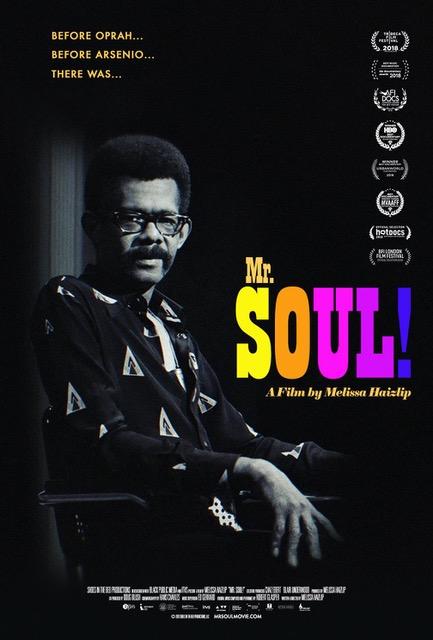
It has been 52 years since the anniversary of the first broadcast of “Soul” which was initially funded by a grant from the Ford Foundation that aired from a New York public broadcasting television station and ran from 1968-1973 nationally in the United States.
“Soul” was produced and hosted by Ellis Haizlip known as Mr. Soul. He was black, smart, gay innovative and political. Unlike Johnny Carson where the talk show was about Carson “Soul” was exclusively a celebration of black culture through music, dance, poetry, theatre, acting and cutting interviews.
With “Soul” suddenly black culture exploded nationally totally outside the white cocoon and during its run it was in the midst of Black Power and the Civil Rights Movement. It is crammed with archival footage showing police brutality against blacks in the desegregation movement. One might argue that white police brutality continues against blacks in America to this very moment. You have heard the expression history repeats itself? There were riots in Detroit, Newark and Los Angeles. Again I say does history repeat itself?
Not only did “Soul” let black Americans escape the tyranny of white America but it gave them a chance to enjoy their culture which in many ways was far more innovative than white culture particularly that seen on American television. Some think it was President Nixon who slashed funding to the public television network that lead to the cancellation of Mr. Soul in 1973. One might argue American blacks have come far since “Soul” was defunded. How far could they have come if it had not been defunded. Again recent events of police brutality against blacks may cause one to query how far has black culture advanced?
Let’s step out of the politics here and comment on the rich footage of performances of many black artists. I think there are 40 clips of parts of performances of many a well-known black musician. There are dancers, authors such as James Baldwin, dancers such as the tremendous Carmen de Lavallade, actors such as Harry Belafonte and Sidney Poitier, politics with a tremendous interview with the head of the Black Muslims Minister Louis Farrakhan and Black Panther Revolutionaries. I have left out many a name!
As one commentator said “Soul” was in your face and undiluted which was both its success and its undoing. Conservative Americans were afraid of the pure black narrative of “Soul” which was far beyond what they thought black culture would be.
As a historical piece from a political and cultural perspective this is a brilliant effort. From a today perspective one may walk away with a political thought which may explain the anger and smouldering frustration of those who consider that black lives matter and I mean the term for what it is as opposed to the formal political movement with the same name.
I was surprised by Ellis refusing to politicize the defunding of his show as in a somewhat aristocratic statement he said he wasn’t going to get involved in the politics of the street. “If they do not understand the importance of the show let it go.”
The film has won 17 awards and is directed, written and produced by Melissa Haizlip. It is currently showing virtually in over 80 theatres. For information https://www.mrsoulmovie.com. Watch the trailer here https://vimeo.com/447330944
There are countless Canadian corporations that have drug and alcohol policies. The validity of these policies as to medical cannabis may be in doubt as it is only recently in Canada that prescriptions for medical cannabis can be widely obtained.
In the case of International Brotherhood of Electrical Workers, Local 1620 v. Lower Churchill Transmission Construction Employer’s Association Inc. the Court of Appeal of Newfoundland and Labrador released its decision on 4June2020 important for those with a prescription for medical cannabis and in the workforce.
An employee was refused employment due to his prescription for medical cannabis. His union challenged the decision of the arbitrator. The arbitrator noted that the potential employee’s position was considered as a “Safety Sensitive Position”.
In Canadian law it is accepted that employees with disability must be accommodated by an employer unless such accommodation causes “undue hardship” for the employer. The arbitrator’s decision stated as the employer was unable to readily measure impairment from cannabis based on currently available technology and resources and the inability to measure and manage that risk of harm constituted undue risk for the employer. Accommodation can take many forms but its purpose is to ensure an employee who is able to work can do so and persons who are otherwise fit to work are not unfairly excluded where working conditions can be adjusted without undue hardship. Accommodation short of undue hardship is a very high threshold for an employer to meet. That point is reached when reasonable means of accommodation are exhausted and only unreasonable or impractical options for accommodation remain.
The union representing the potential employee applied for a judicial review of the arbitrator’s decision. The initial decision of the trial judge dismissed any ground for judicial review of the arbitrator’s decision as the trial judge thought that the arbitrator’s decision was reasonable.
The Court of Appeal stated that Canadian law provides that decisions of administrative tribunals and arbitrators are subject to a presumption of reasonableness.
The appeal court said that the onus is on the employer to establish that to accommodate the potential employee would cause the employer undue hardship. The employer could not rely on an argument that because there was no means to determine where an employee was ingesting cannabis that this caused undue hardship on the employer. “The onus was on the employer to establish on the balance of probabilities that some means of individual testing of the greivor to assess his ability to perform the job was not an alternative.” It was not sufficient for the employer to say hiring an employee would constitute a risk. The employer must go further and establish through an individualized analysis why allowing this potential employee at the work location would not enable the employer to maintain reasonable site safety, short of undue hardship.
“The conclusion follows that the arbitrator’s decision was unreasonable insofar as he failed to address the employer’s onus to establish that to accommodate the greivor by means of individual assessment of his inability to perform the job safely, regardless of the absence of a scientific or medical standard, would result in undue hardship. “To establish undue hardship the employer had to establish an alternate option involving individual assessment for determining whether the potential employee could safely perform his job. As a result the trial judge’s decision was overturned and the matter referred back to arbitration.
If you feel you have been discriminated against by an employer as a result of the use of prescribed cannabis you should seek advice from a lawyer. A tool in your arsenal as far as cannabis goes is that you have obtained a prescription for it as opposed to self medicating (which most likely will be treated as recreational use) which will not help your case.
Rita Wilson has made yet another cross-cultural wedding film entitled “ A Simple Wedding” but It is an Iranian girl Nousha (Tara Grammy) getting involved with an American bisexual Alex (Christopher O’Shea) and the Greeks are not involved in this film other than Rita Wilson as executive producer. Yes Nousha has two very traditional Iranian parents both intent, at least initially, in matching up Nousha with a successful and financially secure Iranian husband. It ain’t working.
Nousha’s father Reza (Houshang Touzie) is a successful engineer and they live in a mansion in Orange County, California. Touzie has a delightfully sarcastic side to him but terribly discrete.
Things get off the Iranian track when Nousha meets and falls for bisexual Alex a sometimes-employed DJ and artist. Nousha is a successful attorney. Sneaking behind her parent’s back she moves in with Alex. Then by a slip of the tongue they announce they are getting married but want a simple wedding which Nousha’s parents agree to have in their palatial backyard.
Well things get more complicated as Alex’s parents are divorced and his dad marries his gay partner and imagine explaining this to conservative Iranian parents over a meet and greet dinner? Rita Wilson plays Alex’s mother Maggie who loves her son and an occasional swig of tequila. She plays a sparkling vivacious woman terribly well.
Uncle Saman (Maz Jobrani) arrives for the wedding and again some excellent acting on Jobrani’s part playing a slightly eccentric but loveable bachelor with a very big heart.
The wedding day arrives and Nousha is having second thoughts and as she is dragged to the altar her dress catches fire and all ablaze (and without injury) she jumps into the pool. The wedding is cancelled.
In the meantime, Uncle Saman has fallen for Maggie and their wedding is in the backyard of Nousha’s parent’s home. At the reception Nousha assumes her spot-on Celine Dion impersonation to send a song of love to Alex. They are back in love.
Not very much creative about the film and you might want to call it my Big Fat Iranian Wedding. Nonetheless a slick and polished production worth a watch as there is nothing wrong with a chuckle now and then in these glum times. It will be available on DVD now.
Dec. 4, 2020 – Toronto, ON – For those feeling alone for the holidays, Callen Schaub will be online bringing his message of hope to fans worldwide. Join the brilliant abstract artist as he goes LIVE at 5pm EST every day in December on both Instagram and Tiktok. Known for his bold and thought-provoking contemporary art Callen, is inspired to conclude this very challenging year with a message of hope.
Viewers will be enthralled as Callen uses paint, natural forces and machines to cover various size canvases. Callen has rejected the art world’s implied exclusivity in an approach he calls The Fake Art Movement. Through it he tries to educate, inspire and raise awareness about anti-cyberbullying. Callen is a prominent advocate for mental health awareness. In an inspiring series of LIVES Callen will paint over seven canvases covered in hateful comments that have been directed at him through social media.
The LIVES allow Callen to engage directly with his audience expressing his emotions through colour. Callen’s use of vibrant colours represents a spectrum of energy and emotion, encouraging reaction and interpretation of his works.
The LIVES aim to provide comfort to those who are feeling alone and isolated this holiday season. This December will be unlike any other and many will find themselves away from family, friends and their traditional holiday celebrations. When asked what Callen wants the audience to feel while watching his LIVES he responded, “I want to give my audience the feeling of ease, natural beauty, and motivation. I hope my performance can draw them into the present moment.”
Callen’s stunning LIVES can encourage us all to reflect on this rather long and difficult year before it comes to a close. And if you think you will miss the fireworks this year, at the stroke of midnight, as we usher in 2021, Callen will suspend himself on a human rail — much like a zipline. He will “fly” through the air deploying paint onto a 10×20 foot canvas. The never done before concept will be completed on the largest canvas Callen has spun to date. This will be Callen’s final canvas of 2020 before he allows time for self-reflection in 2021.
In January, in support of mental wellness, Callen will go offline on social media. To represent his silence, he will post a 6 foot blank heart canvas, painted in UV reactive paint with the words “Just because you can’t see it, doesn’t mean it’s not there.”
The spontaneous healing of cancer is a phenomenon that has been observed for hundreds and thousands of years and after having been the subject of many controversies, it is now accepted as an indisputable fact. A review of past reports demonstrates that regression is usually associated with acute infections, fever, and immunostimulation. It is stated that in 1891, William Coley of New York’s Memorial Hospital developed the most effective single-agent anticancer therapy from nature, which faded into oblivion for various reasons. Cancer therapies have been standardized and have improved since Coley’s day, but surprisingly modern cancer patients do not fare better than patients treated 50 or more years ago as concluded by researchers in 1999. This article peeks into the history of immunostimulation and the role of innate immunity in inducing a cure even in advanced stages of malignancy. The value of Coley’s observation is that rather than surviving additional years with cancer, many of the patients who received his therapy lived the rest of their lives without cancer. In our relentless efforts to go beyond nature to fight cancer, we often overlook the facts nature provides to heal our maladies.Keywords: Acute infections, Coley’s toxins, cancer, fever, immunostimulation, spontaneous regressionGo to:
INTRODUCTION
The word spontaneous implies “without any apparent cause,”[1] and regression is defined as a decrease in the size of the tumor or in the extent of cancer in the body according to the national cancer institute (NCI).[2] Spontaneous regression occurs in most types of cancer and was recorded in the medical literature as early as 1742.[3] The standard definition of spontaneous regression as “the partial or complete disappearance of a malignant tumor in the absence of treatment or in the presence of therapy considered inadequate to exert a significant influence on the disease” was composed by Dr. Tilden Everson and Dr. Warren Cole in the 1960s,[4] with the further requirement that the original presence of cancer was proven by the microscopic examination of tissues.[5]
Spontaneous regression of cancer is not a rare occurrence as thought to be; in an average month during 2002, medical journals published more than four articles on the subject.[6]
Cancer is probably the deadliest of human ailments. Cancer fatalities account for 12% of all deaths worldwide each year.[7] Across the globe, 10 million people are diagnosed with cancer annually and almost 7 million die from cancer. The global cancer rates could increase to 15 million by 2020.[8]Go to:
HISTORY OF SPONTANEOUS REGRESSION
Spontaneous tumor regression is a phenomenon that has been observed for hundreds if not thousands of years. Although the term spontaneous implies “without any apparent cause,” a review of reports demonstrates that regression generally coincides with acute infections.[1] Savarrio et al claimed to report the first ever case of spontaneous regression of a neoplasm of the oral cavity of the subset of non-Hodgkin’s lymphomas known as Ki-1 anaplastic large cell lymphoma (ALCL). King et al. reported a case of complete spontaneous regression of metastatic cutaneous melanoma with parotid and neck lymph node metastases.[9]
The phenomenon of spontaneous regression is also known as St. Peregrine tumor. Peregrine Laziozi (1265–1345), a young priest, was afflicted with cancer of the tibia requiring amputation of the leg; the lesion grew to a point where it broke through the skin and became severely infected. Miraculously, by the time his operation was due his physician was astonished to observe that there were no signs of the tumor. St. Peregrine’s tumor never returned.[7,10] Although numerous cases of spontaneous tumor regression have been published over the last several hundreds of years, such reports have become rare in the current medical literature;[1] virtually all of these reports note regression concomitant with infections including diphtheria, gonorrhea, hepatitis, influenza, malaria, measles, smallpox, syphilis, and tuberculosis as well as various other pyogenic and nonpyogenic infections. Observation of this non-specific effect led to the emergence of active cancer immunotherapies by the 1700s.[1,11]
In 1891, a young bone surgeon at New York Memorial Hospital began his search for a new approach to cancer treatment, after the loss of his very first patient to cancer. Serendipitously, he discovered the record of an immigrant patient who presented with an egg-size sarcoma on his left cheek.[10] The sarcoma was operated on twice and still recurred as a 4.5-inch grape-like cluster below his left ear. The extensive wound after surgery could not be closed and skin grafts were unsuccessful. Ironically, this failure to close the wound would play a key part in the patient’s eventual cure. The tumor progressed and a final operation only partially removed the tumor; the wound became severely infected with erysipelas by Streptococcus pyogenes and the patient developed a high fever. Little could be done to stop the infection, yet surprisingly, after each attack of fever the ulcer improved; the tumor shrank, and finally disappeared completely. On a subsequent review, the patient, still bearing a large scar from his previous operations, had no trace of cancer and claimed excellent health since his discharge– 7 years previously.[10,12]
Coley suspected that somehow the infection was responsible for the miraculous cure. He later realized that the patient’s activated immunity in response to the acute infection was the key factor in cancer regression. He decided to put his theory to the test and infected his next 10 patients with erysipelas.[12,13] Problems with this approach soon became apparent; sometimes it was difficult to induce an infection, other times there was a strong reaction and the disease regressed. However, occasionally, the infection was fatal. Due to its unpredictability, he developed a vaccine containing two killed bacteria, the Gram-positive Streptococcus pyogenes and the Gram-negative Serratia marcescens. Experimental work at the time suggested that the latter bacteria increased the virulence of the former.[14] In this way, he could simulate an infection with inflammation, chills, and fever without worrying about the risks of an actual infection. This vaccine became known as “Coley’s toxins.” Coley stressed that the technique of administration and the ability of the vaccine to induce mild to moderate fever was of paramount importance in the regression of cancer.[15,1] He successfully used his vaccine, in treating a man bedridden with an inoperable sarcoma involving the abdominal wall, pelvis, and bladder. The sarcoma regressed completely and the patient was followed up until his death from a heart attack 26 years later.[16]
Coley worked in the Department of Bone Service at the hospital, later becoming its chief in 1915, and her fathers discovery was further pioneered by Helen Coley Nauts Coley’s vaccine was widely and successfully used by other contemporaries for sarcomas as well as carcinomas, lymphomas, melanomas, and myelomas.[17] Coley’s immunotherapy regimen was so outstanding that even when applied to patients in their final stages of disease, some remarkable recoveries were obtained, with patients often outliving their cancer.[17,18] Coley was considered to have treated more sarcoma patients than any other physician up to that time.[17]Go to:
STIMULATED IMMUNOTHERAPY
Martha Tracy who formulated many of Coley’s vaccine observed that the most effective formulation was the one that induced both local and systemic reactions.[19]
Coley considered several points crucial to a patient’s survival. First and foremost was to simulate a naturally occurring acute infection, and thus, inducing a fever was essential. Injections were optimally administered daily or every other day for the first month or two. To avoid immune tolerance to the vaccine, the dosage was gradually increased over time depending on the patient response. The vaccine was injected directly into the primary tumor and metastases when accessible. Finally, a minimum 6-month course of weekly injections was followed to prevent disease recurrence. Ensuring a prolonged follow-up was the most difficult part of the treatment.[20]
In the past, coincidental infections had in fact inspired a wide variety of rudimentary cancer immunotherapies. Coley also discovered that many past physicians had used these infections to the advantage of their patients. Cancer immunotherapy was practiced thousands of years ago. In the writings of the Ebers Papyrus (c 1550 BC), attributed to the great Egyptian physician Imhotep (c 2600 BC), the recommended treatment for tumors (swellings) was a poultice followed by an incision which would result in infection of the tumor and therefore its regression.[21] By the 1700 and 1800 AD, crude forms of cancer immunotherapy became widely known and accepted.[1]
Before Coley’s discovery of his killed vaccines, using live bacteria to initiate an infection was a risky experiment between life and death. Coley emphasized that the induction of fever was the key aspect of his treatment, a strong febrile reaction was the symptom most associated with tumor regression. A retrospective study of the patients with inoperable soft tissue sarcomas treated with Coley’s vaccine found a superior 5-year survival in patients whose fevers averaged 38–40°C, compared with those having little or no fever (38°C) during treatment (60% vs. 20%).[22]
The greatest value of Coley’s Toxins is evident in the lives of patients who received the therapy. Rather than surviving additional years with cancer, many of these patients lived the rest of their lives without cancer.[23,24]
The last recorded use of Coley’s Toxins anywhere in the world was in China in the 1980s as a primary therapy for cancer in an adult male who had terminal liver cancer involving large tumors in both lobes of the liver; he received 68 injections of Coley’s Toxins in 34 weeks. By the end of this course of treatment, all of the tumors had completely regressed.[25]
To most members of the medical community, non-surgical approaches to the treatment of cancer were simply of little interest. While most readers ignored Coley’s articles, a number of independently minded doctors began to make use of the new cancer treatment. Before the turn of the 20th century, at least 42 physicians from Europe and North America had reported cases of cancer that had been successfully treated with Coley’s Toxins.[26]
Stimulated immunotherapies ran a natural death in the latter half of the 20th century due to a number of reasons. First, with the newer concept of asepsis, cancer surgery like any other operation became a sterile procedure with fewer postsurgical infections especially after Lister’s aseptic techniques in the late 1800s. Second, by the time of Coley’s death in 1936, radiotherapy was an established treatment for cancer and chemotherapy was slowly gaining acceptance. Such therapies though highly immunosuppressive could more easily be standardized than Coley’s approach. Third, the administration of antibiotics further reduced the incidence of postsurgical infections and antipyretics came into routine use to eliminate fever and discomforting symptoms of an immune response, and the lastly due to an unfavorable approach of the medical industrial regulatory complex of the 1960s.[10,26]
Cancer therapies have been standardized and have improved since Coley’s day, but these improvements in treatment have resulted for the most part in prolonging the disease rather than curing it. For example, when the American Cancer Society claims, “Today, far more than half of all cancers are curable,”[27] it is referring to the fact that about 60% of patients diagnosed with cancer during the period 1989–96 survived for at least 5 years.[28] According to the National Cancer Institute, the 5-year survival rate includes persons who survive for 5 years after diagnosis, whether in remission, disease-free state, or under treatment.[29] This concept is far away from the ideal of achieving a cure for a disease-free state.[30] To this day, earlier diagnosis is the single most important contributing factor in the observed increase in 5-year survival rates.[26] Presently, the medical literature has dropped its duration of cancer survival rates from an older standard of 5 years to a mere 3 years and hence is the increase in the percentage of survival rates.[31]
Though modern therapies have added some years to the life of the average cancer patient, they have not reduced the patient’s chances of dying from the disease. In fact, a resident of the United States is more likely to die of cancer today (225.4 per 100,000) than in 1950s (195.4 per 100,000).[32,26]
The primary cancer therapies, namely, surgery, radiotherapy, and chemotherapy, widely accepted and practiced have their own pitfalls. The risks, deficiencies, cost, specialized skills, and medical ethics are often associated with these procedures. Even surgery, the most acceptable of the three in treatment of most tumors, has resulted in an ethical dilemma. Every time an incision is made into cancerous tumor, with even the least invasive type of incision called the needle biopsy, there is a risk of spreading the disease due to cancer cells entering the bloodstream or becoming implanted in the surrounding tissue. There are at least 10 published cases of tumors arising along the route taken by a biopsy needle.[26] Surgical excision usually done with an intention to cure also removes the protective barrier or the wall, body builds itself to protect itself from cancer metastasis. Surgery and the subsequent healing process greatly increases the risk of death by metastasis in certain cancer patients by disrupting tumor integrity, facilitating metastasis, directly seeding the tumor, inducing local angiogenesis, immune suppression, and enhancement of tumor growth.[33] Surgical stress also greatly enhances metastasis by increasing the expression of proteinases in the target organ of metastasis, metastasis being the primary concern of fatality in cancer patients.[34]
The effects of radiation are often temporary and have little impact on survival rates. One study of 3,000 breast cancer patients found that those receiving radiation in addition to surgery did no better than patients who received surgery alone.[28] The great disadvantage of radiation therapy is the same as that with surgery; it is simply not effective in the control of widely spread cancer. Chemotherapy and radiotherapy to some extent are highly immunosuppressive and therefore infections in these patients do not lead to any immunostimulation. Addition of antibiotics further deprives these patients of the benefits of an immune response and subsequent regression if any.[26]
Chemotherapy for head and neck cancer may result in a temporary reduction in the tumor size but has not translated into increased survival, control of the primary tumor, or decreased incidence of metastasis.[31] The FDA has approved more than 80 anticancer drugs, 40 of which are chemotherapeutic agents. These drugs interfere with cell division, an essential activity of the immune system, thereby profoundly suppressing the magnitude and the effectiveness of immune responses.[35,36] Hence the ability of the body to protect itself against an existing cancer is weakened; they are also neocarcinogenic which can lead to the development of new cancers that did not exist prior to the administration of chemotherapy.[26]
To effectively control the spread of cancer after the destruction or removal of the primary tumor, a systemic therapy is needed that can be delivered to the entire body that can destroy cancer wherever it might be lurking. This can be delivered by an active immune system of the patient by activating its immense potential.Go to:
DISCUSSION
Spontaneous regression is a well-authenticated and natural phenomenon. Its study may lead us to a better understanding of the natural history of neoplastic disease which so commonly progresses but rarely regresses.[37] The comparative rarity of spontaneous regressions today may result from the immunosuppressive nature of conventional cancer therapies.[1] The spontaneous healing of cancer, after having been the subject of many controversies, is now accepted as an indisputable fact. The percentage of spontaneous regression as quoted by Boyers is 1 in 80,000 and 1 in 100,000 by Bashford; it may be subjected to criticism but proves a remarkable fact that cancer is not an irreversible process.[38]
Regression is more commonly associated with groups of tumors like the embryonal tumors in children, carcinoma of the female breast, chorionepithelioma, adenocarcinoma of the kidney, neuroblastoma, malignant melanoma, sarcomas, and carcinoma of the bladder and skin.[38]
The impediment toward the spontaneous healing of cancer is due to the failure of recognition of cancer cells as non-self and dangerous by our immune system and hence it’s subsequent escape to establish the disease, as well as the nature of contemporary cancer therapies which trigger metastasis, suppress immune responses as well as compound any existing immune deficiency. The other major drawback is that primary cancer therapies especially the systemic ones are unable to differentiate between normal and abnormal, and therein lies their potential to harm.[26] The disturbance of tumor such as biopsy and surgical procedures cause a greatly increased number of cancer cells to enter the bloodstream, while most medical intervention (especially chemotherapy) suppresses the immune system. This combination is a recipe for disaster. It is the metastases that kill, while primary tumors in general, and those in the breast in particular, can be relatively harmless. These findings have been con-firmed by recent research which shows that surgery, even if unrelated to the cancer, can trigger an explosive spread of metastases and lead to an untimely end.[39]
So how can we help our system recognize tumor cells as “tumor cells” and aid in natural and biologic defence against cancer.
Infectious agents are present in nature that can cause cancer but we should also remember the dual role they play in preventing cancer. Acute infectious agents are a natural source of immunostimulants that challenge our immune system from time to time as well as pep it up to confront newer challenges evolution brings about like cancer.[40,41] [Figure 1] Cancer is a disease that springs up from within; it is a disease of our genes and inherited or acquired deficiencies in genome maintenance systems contribute significantly to the onset of cancer.[42] Though all of us develop cancer cells in our life time, not all of us develop cancer. The proportion of risk of cancer varies from person to person and the individuals’ exposure to common febrile infections as shown by epidemiologic studies. What helps the majority safe guard against cancer? Do acute infections have a direct and spontaneous role in the prevention and regression of cancer?[43]Figure 1
Immunostimulation in cancer regression
As early as 1899, British cancer researcher D’Arcy Power observed, “Where malaria is common, cancer is rare.”[44] Between 1929 and 1991, at least 15 investigations including 8 case–control studies examined the link between infectious disease and cancer and all but one have found that a history of infectious disease reduces the risk of cancer.[41,28]
Since spontaneous regression is often associated with a previous history of acute infections and fever, it is likely that fever-causing pathogens have a beneficial role to play in activating and stimulating the immune defenses which battle the invading pathogens as well as gain a new-found recognition of cancer cells and attack them vigorously. Fever whether natural (acute infections) or induced (Coley’s Toxins) stimulate a multitude of cascading, interlinking, and complex pathways of the immune system simultaneously releasing numerous products in the right quantity and qualities to combat the disease which may not be humanly possible to reproduce in vitro. This may explain why single cytokine therapy or immune products don’t give desirable results in cancer therapy, besides being expensive, toxic, and at times fatal due to the unnatural challenge they pose to the human system.[40,10]
The evidence and observations of rapid tumor regression following infection sometimes within hours suggest that the innate rather than the adaptive immune response is a primary mediator of tumor regression in such cases.[10] Unfortunately, even during cancer immunotherapy, an acute febrile reaction is often regarded as an unwanted symptom rather than an integral and healing component of the immune response.[1]
A review of previous reports suggests that the occurrence of fever in childhood or adulthood may protect against the later onset of malignant disease and that spontaneous remissions are often preceded by feverish infections. Pyrogenic substances and a more recent use of whole body hyperthermia to mimic the physiologic response to fever have successfully been administered in palliative and curative treatment protocols for metastatic cancer.[40]
Acute infections and fever provoke an immediate and effective immune response that can fight infectious agents as well as cancer at the same time; similarly Coley’s Toxins were a highly effective anticancer treatment because they worked by stimulating a powerful immune response. By itself, a powerful immune response is sufficient to cure some cancers in some patients but cannot cure all cancers in all patients. A powerfully stimulated immune system is only part of the answer because cancer cells are frequently able to hide from the immune system. The immune system cannot kill what it cannot see.[26] The failure of the immune system to recognize cancer cells in the system is the major setback we face in our fight against cancer and this is compounded by the duality of the immune system of defense and repair; in the reparative mode the immune system can promote cancer growth in its attempt to repair what it perceives as a “sterile wound.”[Figure 2] This can be overcome by the generation of inflammatory products during an episode of fever, be it natural or simulated (Coley’s Toxins), when the well-studied defensive role becomes active at the onset of an acute infection, where cytotoxic cells seek out and destroy invading pathogens.[1,45]Figure 2
The dual nature of defense and repair of the immune system and its effects
Uwe Hobohm has recently observed about Coley’s Toxins that the following cascade might explain their effectiveness: “Fever generates inflammatory factors with co-stimulatory activity, which activate resting dendritic cells (DC), leading to the activation of anergic T cells, maybe accomplished by a second process, where a possible physical damage of cancer cells leads to a sudden supply of cancer antigens to DC.” In other words, fever is a state in which body’s own antigen recognition mechanism turns on to such a high level of activity that it becomes capable of recognizing cancer and microbial invaders. Specialized cells like the dendritic cells then communicate the identity of the pathogen to lymphocytes to establish active immunity against stealth diseases. Fever plays a beneficial role when body’s immunity is challenged, and helps in the natural destruction of cancer cells. Cellular damage occurs only at temperatures above 108°F, but much good is accomplished at lower temperatures.[16,46]
Acute inflammatory responses have also benefited terminal cancer patients in the reduction of cancer pain as well as fast wound healing. As observed by Coley, the immunological stimulation by his toxins led to a marked relief of pain, so that patients could often discontinue using narcotics. There was an extraordinary enhancement of wound healing and even bone regeneration when the toxins were injected into the tumors.[19] Similar observations on infectious amelioration of cancer pain and enhancement of wound healing have been reported by others.[47]
The recent 6-year Norwegian follow-up study on breast cancer in women also accepts the fact of natural regression in one-fifth of the untreated cases that were followed up; the authors concluded that this may reflect the fact that these cancers are rarely allowed to follow their natural course.[48]
It is interesting to note that the current primary cancer management procedures neither harness the benefits of patients’ own immune system nor stimulate it to achieve tumor regression but actively suppress it; thus it does not run parallel to body’s own defensive mechanisms but opposes its natural role. An ideal cancer management would involve the stimulation of the immune system, its complex effective and reproducible in vivo mechanisms that fight cancer. Acute infections are beneficial in the prevention and regression of tumors. In conclusion, childhood febrile infections can prevent cancer in adulthood. Asepsis, fever control, surgery, and immunosuppressive therapies are known to have an inverse relation to cancer regression, while acute infection, fever, and cancer vaccines by the virtue of immunostimulation induce regression of cancer even in the most advanced stage of disease and prove that cancer is not an irreversible process without a cure.[1,43]Go to:
1. Hoption Cann SA, van Netten JP, van Netten C, Glover DW. Spontaneous regression: A hidden treasure buried in time. Med Hypotheses. 2002;58:115–9. [PubMed] [Google Scholar]2. Cancer. gov. United States: National cancer institute. Dictionary of cancer terms. [Last accessed on 2010 Sep, cited2010 Oct]. Available from: http://www.cancer.gov/dictionary/?CdrID=46039 .3. Le Dran HF. Traite des operations de chirurgie. Paris: C. Osmont; 1742. [Google Scholar]4. Everson TC. Spontaneous regression of cancer. Prog Clin Cancer. 1967;3:79–95. [PubMed] [Google Scholar]5. Everson T, Cole W. Spontaneous Regression of Cancer. Philadelphia, PA: WB Saunders; 1968. [Google Scholar]6. Pubmed.gov. United States: Search of PubMed database, web site of the National Institutes of Health, returned 302 articles published in 2010 including the terms “cancer” and “spontaneous regression.” [Last accessed on 2010 Dec 30 and cited 2010 Jan 07]. Available from: http://www.ncbi.nlm.nih.gov/pubmed .7. Pakhmode VK. Understanding the possible mechanisms of spontaneous regression of oral cancer. J oral and maxillofac pathol. 2007;11:2–4. [Google Scholar]8. Who.int> W.H.O. cancer estimates 2003. [Last accessed on 2010 Nov 30 and cited 2010 Dec 10]. Available from: http://www.who.int/mediacentre/news/releases/pr27/en .9. Savarrio L, Gibson J, Dunlop DJ, O’Rourke N, Fitzsimons EJ. Spontaneous regression of an anaplastic large cell lymphoma in the oral cavity: First reported case and review of literature. Oral Oncol. 1999;35:609–13. [PubMed] [Google Scholar]10. Hoption Cann SA, van Netten JP, van Netten C. Dr William Coley and tumour regression: A place in history or in the future? Postgraduate Med J. 2003;79:672–80. [PMC free article] [PubMed] [Google Scholar]11. Rohdenburg GL. Fluctuations in the growth energy of tumors in man, with especial reference to spontaneous recession. J Cancer Res. 1918;3:193–225. [Google Scholar]12. Coley WB. The treatment of malignant tumors by repeated inoculations of erysipelas, with a report of ten original cases. Am J Med Sci. 1893;105:487–511. [PubMed] [Google Scholar]13. Coley WB. Contribution to the knowledge of sarcoma. Ann Surg. 1891;14:199–220. [PMC free article] [PubMed] [Google Scholar]14. Coley WB. Treatment of inoperable malignant tumors with toxins of erysipelas and the bacillus prodigiosus. Trans Am Surg Assn. 1894;12:183–212. [Google Scholar]15. Richardson MA, Ramirez T, Russell NC, Moye LA. Coley toxins immunotherapy: A retrospective review. Altern Ther Health med. 1999;5:42–7. [PubMed] [Google Scholar]16. Nauts HC. Monograph no. 8. 2nd ed. New York: Cancer research institute; 1980. The beneficial effects of bacterial infections on host resistance to cancer: End results in 449 cases. [Google Scholar]17. Nauts HC, Fowler GA, Bogatko FH. A review of the influence of bacterial infection and of bacterial products (Coley’s toxins) on malignant tumors in man. Acta Med Scand Suppl. 1953;276:1–103. [PubMed] [Google Scholar]18. Nauts HC. Immunotherapy of cancer by microbial products. In: Mizuno D, editor. Host defense against cancer and its potentiation. Baltimorey, MD: Universit Park Press; 1975. pp. 337–15. [Google Scholar]19. Beebe SP, Tracy M. The treatment of experimental tumors with bacterial toxins. JAMA. 1907;49:1493–8. [Google Scholar]20. Coley WB. Late results of treatment of inoperable sarcoma by mixed toxins of erysipelas and bacillus prodigiosus. Am J Med Sci. 1906;131:375–440. [Google Scholar]21. Ebbel B. The papyrus ebers: The greatest Egyptian medical documents. London: Oxford University Press; 1937. [Google Scholar]22. Nauts HC, Pelner L, Fowler GA. sarcoma of the soft tissues other than lymphosarcoma, treated by toxin therapy. New York: Cancer Research Institute; 1969. [Google Scholar]23. Nauts HC, Fowler GA, Bogatko FH. A review of the influence of bacterial infection and of bacterial products (Coley’s toxins) on malignant tumors in man. Acta Med Scand Suppl. 1953;276:28–30. [PubMed] [Google Scholar]24. Coley WB. Late results of the treatment of inoperable sarcoma by the mixed toxins of erysipelas and Bacillus prodigiosus. Am J Med Sci. 1906;131:398–9. [Google Scholar]25. Nauts HC. Bacteria and cancer- antagonisms and benefits. Cancer Surv. 1989;8:720. [PubMed] [Google Scholar]26. MacAdam DH. Spontaneous Regression: Cancer and the Immune System, Xlibris: Philadelphia. 2003. [Last accessed on 2009 June, Cited 2009 Sep]. Available from: http://www.mbvax.com/pdf/book_excerpt.pdf .27. Cancer.org. United States. American Cancer Society appeal for funding. Website of the Illinois State and University Employees Combined Appeal. [Last Accessed on 2002 Dec 17]. Available from: http://www.secaillinois.org/acs.htm .28. Greenlee RT, Hill-Harmon MB, Murray T, Thun M. Cancer Statistics, 2001. CA Cancer J Clin. 2001;51:15–36. [PubMed] [Google Scholar]29. Cancer.gov. United States: National cancer institute. Dictionary of cancer terms. [Last accessed on 2010 Oct 30; cited 2010 Nov 29]. Available from: http://www.cancer.gov/dictionary/?CdrID=597152 .30. Thomas Allen and Son, Webster’s Ninth New Collegiate Dictionary. Ontario: Markham; 1989. p. 316. [Google Scholar]31. Epstein JB. Oral cancer. In: Greenberg, Glick, editors. Burkets textbook of oral medicine. 10th ed. Elseiver India: BC Decker Inc; 2003. pp. 194–227. [Google Scholar]32. Seer.cancer.gov. United States: National Cancer Institute. Cancer statistics Table I-2, National Cancer Institute website. [Last accessed on 2010 Oct 30: Cited 2010 Nov 29]. Available from: http://www.seer.cancer.gov .33. van der Bij GJ, Oosterling SJ, Beelen RH, Meijer S, Coffey JC, van Egmond M. The perioperative period is an underutilized window of therapeutic opportunity in patients with colorectal cancer. Ann surg. 2009;249:727–34. [PubMed] [Google Scholar]34. Tsuchiya Y, Sawada S, Yoshioka I, Ohashi Y, Matsuo M, Harimaya Y, et al. Increased surgical stress promotes tumor metastasis. Surgery. 2003;133:547–55. [PubMed] [Google Scholar]35. Peen J. Cancer in immunosuppressed patients. Transplant Proc. 1984;16:492–4. [PubMed] [Google Scholar]36. Clegg LX, Li FP, Hankey BF, Chu K, Edwards BK. Cancer survival among US whites and minorities. Arch Intern Med. 2002;162:1985–93. [PubMed] [Google Scholar]37. Smithers DW. Spontaneous Regression of Tumors. Clin Radiol. 1962;13:132–7. [PubMed] [Google Scholar]38. Fauvet J, Campagne J, Chavy A. Piet G Cures, Regressions and Spontaneous Remissions of Cancer. La Revue du Praticien. 1960;10:2349–84. [PubMed] [Google Scholar]39. Tagliabue E, Agresti R, Carcangiu ML, Ghirelli C, Morelli D, Campiglio M, et al. Role of HER2 in wound-induced breast carcinoma proliferation. Lancet. 2003;362:527–33. [PubMed] [Google Scholar]40. Kleef R, Jonas WB, Knogler W, Stenzinger W. Review of fever, cancer incidence and spontaneous remissions. Neuroimmunomodulation. 2001;9:55–64. [PubMed] [Google Scholar]41. Abel U, Becker N, Angerer R, Frentzel-Beyme R, Kaufmann M, Schlag P, et al. Common infections in the history of cancer patients and controls. J Cancer Res Clin Oncol. 1991;117:339. [PubMed] [Google Scholar]42. Hoeijmakers JH. Genome maintenance mechanisms for preventing cancer. Nature. 2001;411:366–74. [PubMed] [Google Scholar]43. Hoption Cann SA, van Netten JP, van Netten C. Acute infections as a means of cancer prevention: Opposing effects to chronic infections? Cancer Detect Prev. 2006;30:83–93. [PubMed] [Google Scholar]44. Power D. The local distribution of cancer and cancer houses. Practitioner. 1899;62:418–29. quoted in Graner J. History of infectious disease oncology, from Galen to Rous. Infectious Causes of Cancer. Goedert, James J, editor. Totowa, New Jersey: Humana Press; 2000. p. 16. [Google Scholar]45. Wang R. Regulatory T cells and innate immune regulation in tumor immunity. Springer Semin Immunopathol. 2006;28:17–23. [PubMed] [Google Scholar]46. Hobohm U. Fever and cancer in perspective. Cancer Immunol Immunother. 2001;50:391–6. [PubMed] [Google Scholar]47. Quesnay F. Traite de la gangarene. Paris d houry. 1749:313. [Google Scholar]48. Zahl PH, Maehlen J, Welch HG. The natural history of invasive breast cancers detected by screening mammography. (2302-03).Arch Intern Med. 2008;168:2311–16. [PubMed] [Google Scholar]
Articles from Journal of Natural Science, Biology, and Medicine are provided here courtesy of Wolters Kluwer — Medknow Publications
Cannabis reduces OCD symptoms by half in the short-term
October 20, 2020
Photo by Joel Muniz
By Sara Zaske, WSU News
PULLMAN, Wash. –People with obsessive-compulsive disorder, or OCD, report that the severity of their symptoms was reduced by about half within four hours of smoking cannabis, according to a Washington State University study.
The researchers analyzed data inputted into the Strainprint app by people who self-identified as having OCD, a condition characterized by intrusive, persistent thoughts and repetitive behaviors such as compulsively checking if a door is locked. After smoking cannabis, users with OCD reported it reduced their compulsions by 60%, intrusions, or unwanted thoughts, by 49% and anxiety by 52%.
The study, recently published in the Journal of Affective Disorders, also found that higher doses and cannabis with higher concentrations of CBD, or cannabidiol, were associated with larger reductions in compulsions.
“The results overall indicate that cannabis may have some beneficial short-term but not really long-term effects on obsessive-compulsive disorder,” said Carrie Cuttler, the study’s corresponding author and WSU assistant professor of psychology. “To me, the CBD findings are really promising because it is not intoxicating. This is an area of research that would really benefit from clinical trials looking at changes in compulsions, intrusions and anxiety with pure CBD.”
Carrie Cuttler
The WSU study drew from data of more than 1,800 cannabis sessions that 87 individuals logged into the Strainprint app over 31 months. The long time period allowed the researchers to assess whether users developed tolerance to cannabis, but those effects were mixed. As people continued to use cannabis, the associated reductions in intrusions became slightly smaller suggesting they were building tolerance, but the relationship between cannabis and reductions in compulsions and anxiety remained fairly constant.
Traditional treatments for obsessive-compulsive disorder include exposure and response prevention therapy where people’s irrational thoughts around their behaviors are directly challenged, and prescribing antidepressants called serotonin reuptake inhibitors to reduce symptoms. While these treatments have positive effects for many patients, they do not cure the disorder nor do they work well for every person with OCD.
“We’re trying to build knowledge about the relationship of cannabis use and OCD because it’s an area that is really understudied,” said Dakota Mauzay, a doctoral student in Cuttler’s lab and first author on the paper.
Aside from their own research, the researchers found only one other human study on the topic: a small clinical trial with 12 participants that revealed that there were reductions in OCD symptoms after cannabis use, but these were not much larger than the reductions associated with the placebo.
The WSU researchers noted that one of the limitations of their study was the inability to use a placebo control and an “expectancy effect” may play a role in the results, meaning when people expect to feel better from something they generally do. The data was also from a self-selected sample of cannabis users, and there was variability in the results which means that not everyone experienced the same reductions in symptoms after using cannabis.
However, Cuttler said this analysis of user-provided information via the Strainprint app was especially valuable because it provides a large data set and the participants were using market cannabis in their home environment, as opposed to federally grown cannabis in a lab which may affect their responses. Strainprint’s app is intended to help users determine which types of cannabis work the best for them, but the company provided the WSU researchers free access to users’ anonymized data for research purposes.
Cuttler said this study points out that further research, particularly clinical trials on the cannabis constituent CBD, may reveal a therapeutic potential for people with OCD.
This is the fourth study Cuttler and her colleagues have conducted examining the effects of cannabis on various mental health conditions using the data provided by the app created by the Canadian company Strainprint. Others include studies on how cannabis impacts PTSD symptoms, reduces headache pain, and affects emotional well-being.
You can luxuriate in the creative genius of 43-year-old Maleonn in the Chinese documentary “Our Time Machine”. On the face of it this is a story of Maleonn crafting together what one might call a puppet show “Papa’s Time Machine”. But the puppets are creative masterpieces. The show is about a son who creates a time machine so he can venture into the past to retrieve his father’s memories. Maleonn’s 85-year-old father Ma Ke, a former artistic director of the Shanghai Chinese Opera Theatre, has Alzheimer’s.
Although you can be awed by the puppets this is also a story of the circle of life which is quite simple in that you are born and eventually you die. It is life that is in between and it may take you years to realize this simple truth. Maleonn makes this realization with the birth of his daughter and he is amazed by each time he shows his daughter to Ma Ke it is the first time he realizes he has a granddaughter. And he can’t remember he has been previously introduced to his granddaughter. The great joy shown by Ma Ke finally lets Maleonn come to terms with his father’s Alzheimer’s. Ma Ke also realizes his illness when he says, “The machine is broken. What can I do?”
As for the puppet show the best I can describe it is a fusion between Cirque de Soleil and The Blue Man Group.
The documentary was winner of “Best Cinematography” at the 2019 Tribeca Film Festival. The film opens virtually at over 35 theatres in the United States on September 11th. For participating theatres http://timemachinefilm.com/#screenings





 A Bird's Eye View of Fashion, Food, Travel, Culture, Beverage and Curiosity