RKS 2026 International Film: “The Blue Trail” (O Último Azul)

A Brazilian/Mexican/Chilean/Netherland production helmed by director Gabriel Mascaro presenting a dystopian panorama of humour and satire which is a gentle, silent and highly effective jab at ageism and massaged- “media managed” governmental oppression in society.

A Brazil where at age 75 you are “honoured” as “national living heritages” with your residence marked by a laurel and awarded a medal by the Brazilian state.

Brazil wishes to avoid its seniors suffering “a life of loneliness” and ensuring its younger workforce can concentrate on its work not having to worry about its elders. At 75 bearers of such age are forcibly transported to retirement “colonies”.

Less than discrete allusions to the Holocaust one might surmise the laurel on residences equating to the Star of David markings used in Nazi Germany and retirement “colonies” to concentration camps? We never see what a “colony” is but breadcrumb hints on the film’s trail may lead to a “Final Solution” conclusion.

Attempts at evading the mandatory “colonies” result in apprehension and removal in a small, motorized cage referred to as a “wrinkle wagon”.

Tereza (Denise Weinberg) is a 77-year-old awaiting transportation to a “colony” refusing the “honour” embarking on an evasive wild Amazonian adventure. There are blue drool snails depositing psychedelic slime, dishonest ultra light plane pilots, “nuns” plying the Amazon River selling virtual bibles and a fighting fish gambling joint named the Peixe Dourado (Golden Fish).

While there are those that trip out on blue snail drool Tereza is on an incredible road trip along the Amazon so beautifully photographed.

Influences here of “The African Queen”, “Easy Rider”, “Holy Days”, “Cool Hand Luke” and “Apocalypse Now”. I make the references and I’ll let you figure out why!

Is there a memorable highlight? Hard to answer as there are many but the trippy fighting fish adventure at the Peixe Dourado is a massive one that is right up there with the Honda and Hopper “Easy Rider” LSD sequence at the New Orleans graveyard.

You have the choice to be serious, morose, toss and turn at night contemplating a dismal future and pertinent societal happenings on the Brazilian Amazon or you can tuck that negative stuff in the back of your mind and enjoy with a huge smile on your face Tereza’s incredible journey.

There is such a phenomenon as a “fun” dystopian film!

Watch the tailer here https://vimeo.com/1161942532

Theatrical run commences in Canada 3April2026.

RKS 2026 International Film Rating 93/100.

RKS Literature: Perfect Regularity as Tasteless (Yoshida Kenkō)

“In all things, perfect regularity is tasteless. Something not quite finished is very appealing, a gesture towards the future. Someone told me that even in the construction of the Imperial Palace, some part is always left uncompleted.”

Yoshida Kenkō, “A Cup of Sake Beneath the Cherry Trees”, 1329-1331?

“Lost in Puppydom: Rory Dylan Stephen’s Puppydom”: TALES FROM MY HOOD: NO WHEELS ON THE BUS TO GO ROUND AND ROUND

TALES FROM MY HOOD: NO WHEELS ON THE BUS TO GO ROUND AND ROUND

Bob and Fay’s grandson J can’t quite get his fill of the children’s book “The Wheels on the Bus Go Round and Round”. Twenty or thirty times a day sometimes.

Wheels on a vehicle remind me of a story Bob tells. One early morning walking Dylan the Westie he noticed two homes down a Jaguar placed on cement blocks without its wheels. They had been stolen he had later found out. How audacious! The rumour in the hood is that the owner, as CFO of a major corporation, had “aggrieved off” an employee who sought revenge.

The wheels on that Jaguar were not going round and round. They were stolen!

When Bob was a young lad growing up in Montreal his parents had friends that suffered a great tragedy. The husband was a senior executive in Montreal who was gunned down by an employee he had terminated. Pardon the deep philosophy here but I suppose it is preferable to have the wheels stolen from your car than have your life stolen from you.

RKS Literature: Avarice and the Great Fool (Yoshida Kenkō)

“Great wealth will drive you to neglect your own well-being in pursuit of it. It is asking for harm and tempting trouble. Though you leave behind at your death a mountain of gold high enough to prop up the North Star itself, it will only cause problems for those that come after you. Nor is there any point in all those pleasures that delight the eyes of fools. Big carriages, fat horses, glittering gold and jewels-any man of sensibility would view such things as gross stupidity. Toss your gold away in the mountains, hurl your jewels into the deep. Only a complete fool is lead astray by avarice.”

Yoshida Kenkō, “A Cup of Sake Beneath the Cherry Trees”, 1329-1331?

RKS Literature: The Boring Show Home (Yoshida Kenkō)

“How ugly and depressing to see a house that has employed a bevy of craftsmen to work everything up to  a fine finish, where all the household items set out for proud display are rare and precious foreign or Japanese objects, and where even the plants in the garden are clipped and contorted rather than left to grow as they will. How could anyone live for long in such a place? The merest glimpse will provoke the thought that all this could go up in smoke in an instant.”

Yoshida Kenkō, “A Cup of Sake Beneath the Cherry Trees”, 1329-1331?

RKS Literature:  The Necessary Sordidness of Cash (Herman Melville)

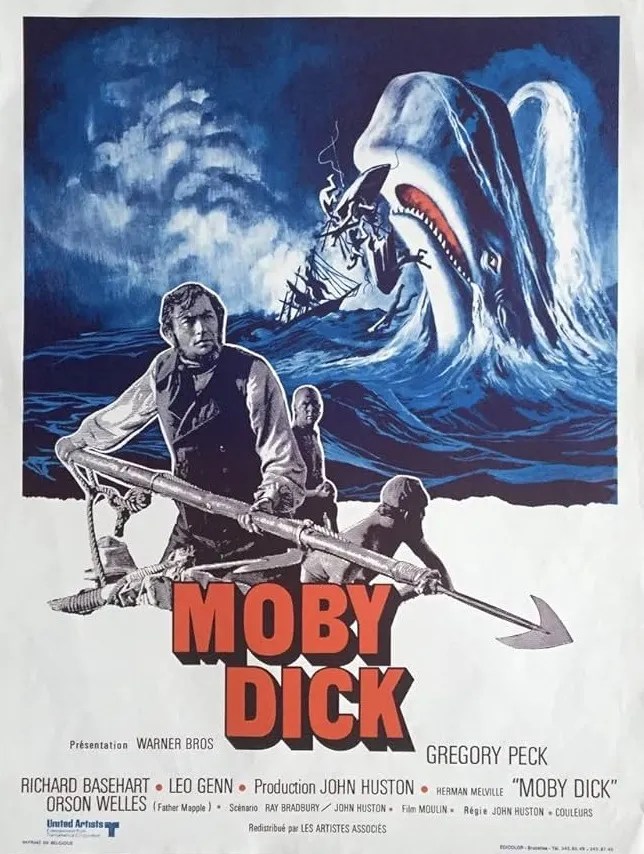
 “The permanent constitutional condition of the manufactured man, thought Ahab, is sordidness. Granting that the White Whale fully incites the hearts of this my savage crew, and playing round their savageness even breeds a certain generous knight-errantism in them, still, while for the love of it they give chase to Moby Dick, they must also have food for their more common and daily appetites. For even the high lifted and chivalric Crusaders of old times were not content to traverse two thousand miles of land to fight for their holy sepulchre, without committing burglaries, picking pockets, and gaining other pious perquisites by the way. Had they been strictly held to their one final and romantic object-that final and romantic object, too many would have turned from in disgust”

Herman Melville, “Moby Dick”, 1851.

RKS Literature: Why Cling to Life to an Ugly Old Age (Yoshida Kenkō)

“If our life did not fade and vanish like the dews of Adashino’s grave or the drifting smoke from Toribe’s burning grounds, but lingered on forever, how little the world would move us. It is the ephemeral nature of things that makes them wonderful.

Why cling to life which cannot last forever only to arrive at an ugly old age. It is most seemly to die before forty at the latest.

Yoshida Kenkō, “A Cup of Sake Beneath the Cherry Trees”, 1329-1331?

RKS Literature: How to be an Elegant Lover (Yoshida Kenkō)

“The elegant thing is for a lover to wander aimlessly hither and yon, drenched with the frosts or dews of night, tormented by the fears of his parents’ reproaches and the censure of the world, the heart beset with uncertainties, yet for all that sleeping alone often, though always fitfully.

On the other hand, he shouldn’t lose himself to love too thoroughly or gain the reputation of being putty in women’s hands.”

Yoshida Kenkō, “A Cup of Sake Beneath the Cherry Trees”, 1329-1331?

RKS Literature: Murder: Aesthetics and Morality (Thomas De Quincey)

“Murder, for instance, may be laid hold of by its moral handle, (as it generally is in the pulpit, and at the Old Bailey) and that I confess, is its weak side; or it may also be treated aesthetically, as the Germans call it, that is in relation to good taste.” 

Thomas de Quincey, “On Murder Considered as One of the Fine Arts”, 1827.

RKS Literature: The Composition of the Fine Art of Murder (Thomas De Quincey)

“People begin to see that something more goes to the composition of a fine murder than two blockheads to kill and be killed-a knife-a purse-and a dark lane. Design, gentlemen, grouping, light and shade, poetry, sentiment, are now deemed indispensable to attempts of this nature.”

Thomas de Quincey, “On Murder Considered as One of the Fine Arts”, 1827.