Halfway into my first term at Montreal’s McGill University I began to appreciate the Canadian character. What do I like most about Canadians?
As you may recall I went on a farewell tour with my mom Juanita Billabong performing in many urban venues in the United States so I have a focal point to compare Canadians with. Plus my years in India have given me insights into British and Indian characteristics.
Canadians are calm and quiet and one might even call them boring. They speak softly particularly in public as if they deeply respect their fellow citizens. Excitement is rare to them unless of course it is a matter of hockey, Tim Smorten’s coffee and Kraft Dinner. Speaking of hockey, a spaz at heart, I joined the McGill University intramural hockey league doing my best not to embarrass myself. Indians on skates can be a sight for sore eyes!
The Americans I encountered were much louder particularly in public where they seemed to like shouting especially when trying to make a point. Americans can be quiet but I recall seeing American tourists in India and they were loud in manner, speaking and in dress style. Americans become particularly agitated when there are no Kentucky Fried Chickens, Burger Kings or McDonald’s about. I recall eating with my father Paneer at the Bombay Ritz-Carlton and rest assured the ladies and gentlemen of the Ritz-Carlton did not appreciate Billy Bob Sonburnt from Plum City Arkansas eating gourmet food with his baseball hat on and then loudly complaining he wanted real American food not this spicy Indian slop! The dining room chortled when Billy Bob loudly proclaimed when he returned home he was heading to McDonald’s for some “real American food.”
Indians are never quiet and calm and always shouting and gesturing about something but that’s our national character and you learn to live with it. It is as if any debate transforms into a verbal riot. I think it is all just an act.
The Brits I encountered in Bombay were so very quiet and seemingly polite but turn your back on them and they were vicious backstabbing brutes particularly if you were not illy white or of the right economic class. Yes who said it was India only that had the untouchables!
You may recall my initial infatuation with Minah my little hummingbird and tabbouleh slinging sweetheart in Montreal. I had been accepted to McGill University in Montreal with a full Claire and Warren Quimby Scholarship for Third World Disadvantaged Urchins. I didn’t need the tuition money but seeing the bastards the First World can produce, particularly at the Kings School for Young Men in Bombay, out of a matter of revenge against the upper-class twit colonists I decided to accept it. These twits assumed that my being from India made me poor but in comparison to the Quimby’s they could have been my servants! In the few months preceding the beginning of Term I decided to scope out Montreal a bit and of course take advantage of Schwartz’s smoked meat and kosher dill pickles. Those mixed meat sandwiches at Slovenian Meat Market on St. Lawrence Street could feed an Indian regiment of hussars!
And it was time to see Minah my delicate sweet bird of love …my precious dainty hummingbird. Well that hummingbird had swelled into a penguin with a very large plus size girth close to 140 kilos with a very bad case of acne and was blanketed by an ominous cloud of depression. Of course, I was taken aback! The vile terrorist action of her brother Abdul bombing my mother Juanita’s airplane out of the sky wreaked havoc with both her body and brain. Her mother and father lamented I was not on board that plane referring to me as an infidel devil! Seems I had become their Lawrence of Arabia. They were still pressuring her to be what she referred to as a “Burka Babe”. The relentless pressure and horrific act of her brother was too much to bear. She required psychiatric help not me. So we parted our ways. I recall walking away seeing Minah laughing as if possessed like Linda Blair in “The Exorcist”.
My main mission was to secure accommodation in Montreal. I lived a very swank life in Bombay so the thrill of a fleabag apartment on Durocher Street in the McGill Student Ghetto with all the liberated from home middle class students did not appeal to me. Both the Ritz-Carlton and Four Seasons hotels were more or less across the street from McGill and I chose the Four Seasons Presidential Suite. Living at the Ritz-Carlton would be just a bit flashy so I settled for the Four Seasons I am a man of discretion.
At one time it was thought Plavac Mali was Zinfandel but at best Plavac Mali and Zinfandel may have shared some ancestral grape heritage. It is my go-to red in Croatia and has its most extensive planting on Croatia’s stunning Dalmatian coast. Two or three times a year Torontonians see some Plavic Mali on our shelves.
We try a Barrique 2018 from Terra Madre in Croatia. Terra Madre’s first vines were planted in 2008.
The Terra Madre website states the wine is 100% Plavac Mali. The Liquor Control Board of Ontario’s Vintages catalogue includes a quip from a 2024 Decanter World Wine Awards review as the wine being 85% Plavac Mali with 8% Cabernet Sauvignon and 7% Syrah. Oh the mysteries of the wine world!
Aroma: Blackberry, black cherry, stewed prune and dried figs in a gentle smoky frame.
Palate: Clean, pure and sharp. Very high-toned blackberry with bits of black cherry and rhubarb brought to a certain calmness by stolid strawberry jam influences. Tannins slowly set in after palate entry but they are moderate with acidity under control. Longish finish.
Personality: I am a nervous high-strung wine perhaps because so many wine drinkers may have been misled and call me Zinfandel!
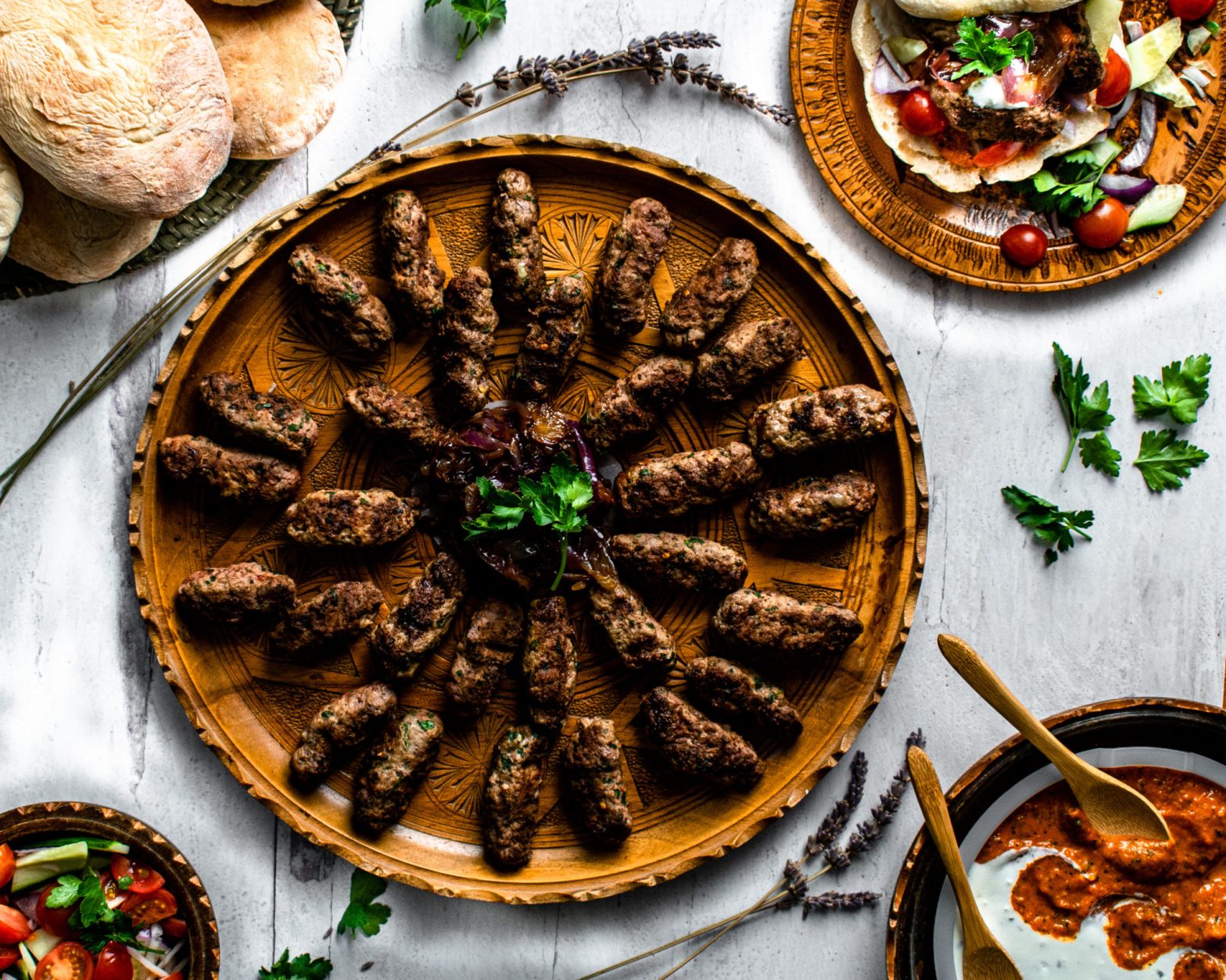
Food Match: Cevapcici with Ajvar.
Cellarbility: Not designed for ageing but there may be some settling down in 2025 but consume no later than the end of 2026.
Price: $27 CDN. A bit steep if not prohibitive for a “new market” wine.
RKS 2024 Wine Rating: 89/100. Decanter World Wine Awards 93.
I was somewhat riled by several visits the American Federal Bureau of Investigation and the Chief of the Bombay Police Inspector Suri Saleem paid to me. Did my mother have any enemies I was aware of they repeatedly queried. I knew of no enemies. They returned to ask me if I had any enemies. Me! I am just an unknown teenager. They spilt the beans. Juanita’s airplane crash was not caused by metal fatigue but due to a plastic explosive commonly used by Albanian security forces. Traces were identified in an FBI laboratory. Wait a minute! My dearest Iraqi sweetheart in Montreal’s brother, Abdul, had been in the Iraqi military training “explosives 101” as an explosive expert and then to Albanian Special Forces in Tirana Minah had told me. Well it wasn’t that long before a trail led to Abdul as the perpetrator. Sensing he was being closed in he fled to Albania and from there he took a Ourholyleader Airlines flight to Pyongyang in North Korea. The investigators were puzzled why the explosives that brought down my mom’s Sobranj Airlines originated in Albania and why Abdul had fled to North Korea. As Inspector Saleem said this case was a tough nut to crack. I vowed to hunt down that bastard and stick a wad of plastic explosives up his ass. When would that be was not a question. It was a personal fatwah.
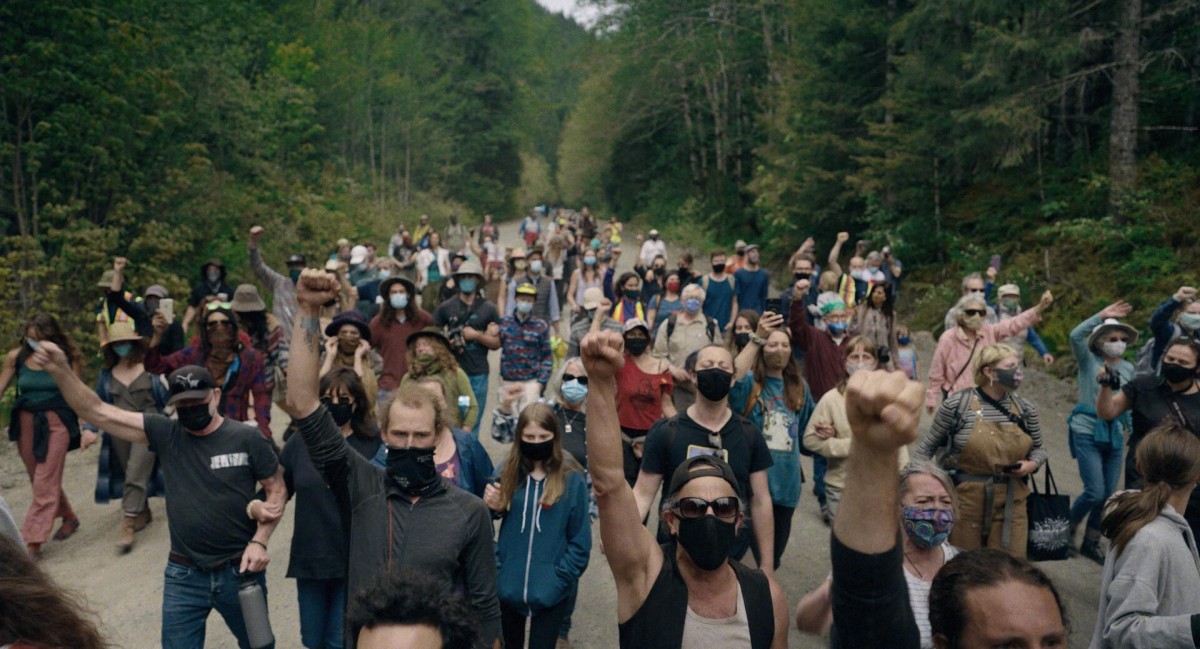
In August 2020 opposition to logging old growth forests in British Columbia’s South Vancouver Island’s Fairy Creek’s 1183 hectares gained momentum. Old growth forests were dwindling in British Columbia and Fairy Creek was unique as a fully intact valley of old growth trees with its own complex biodiversity. Teal Jones Group had legal rights to log on Crown land there. The activist movement’s stated goal was to prevent old growth logging at Fairy Creek it but in reality it was to delay it as much as possible through blockades of logging trucks and personnel.
Fairy Creek Activists face-off with Royal Canadian Mounted Police
The film commences with shots of beauty of this forest quickly marred by the murderous sounds of chainsaws threatening forests not only in British Columbia but also in the Philippines and in the Brazilian Amazonian forests.
One might conclude at the film’s outset this was a unified protest of the good hippies against the crude and vulgar Monty Phyton lumberjacks. There are some stereotypical moments with the young activists dancing, singing and drumming with Indigenous allies like in a Club Med evening entertainment skit or dancing to hip hop at the side of the road with cool names like Flying Squirrel, Bush Pig, Panda, Pony, Sparkplug and DJ Raven. A Woodstock hippie revival party. One activist may have summed up the strategy as stopping the logging by putting pageantry all around it. And there is plenty of pageantry, drama and extreme sensitivity e.g. chaining themselves to tree stumps, pipes and trees and threatening belligerent loggers with a humorous quip just go ahead as the whole world is watching you on Instagram! What a nasty persuasive threat!
But wait a moment. The elected band council for the Pacheedaht First Nation wants the activists to leave their protest camps in and around Fairy Creek as they do not welcome unsolicited interference in their affairs. Not all members of Pacheedaht First Nation agree with their elected band council some calling them aligned with corporate interests.
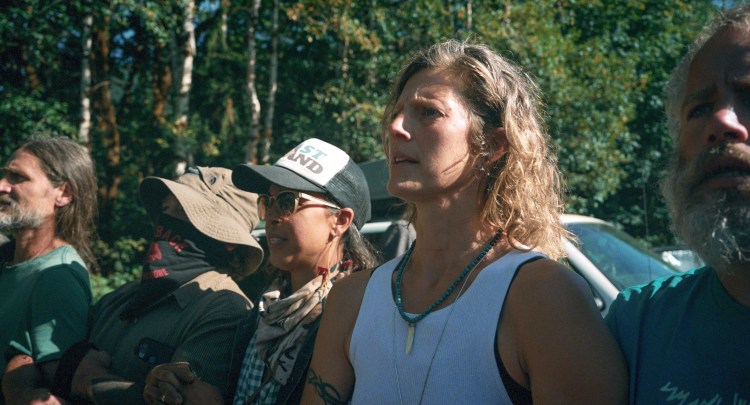
The activists filmed stress the peaceful nature of their protest where arrests will not be resisted. And as the protests continue the divide in the activists sharpen to a point of anger when a Fairy Creek tree stump is exhibited at a public event. The young Indigenous activists diss the well meaning primarily Caucasian activists by saying their actions at Fairy Creek were not a safe movement “for us”. The claim is made there was violence and tokenization and “we” do not wish to ally ourselves with you and “we” do not wish to expose ourselves to more harm. If you are not young and Indigenous you are against us is the message? Perhaps as far as the Indigenous youth are concerned perhaps, they really mean to say as a logger shouted to the Fairy Creek activists, “Go back to Victoria you ++++suckers!”
There was very little filming of calm loggers only angry and foul-mouthed ones portrayed like that redneck character with the boil on his neck grabbing his shotgun to put to rest Peter Fonda in “Easy Rider”. Surely there must be calm loggers willing to state their cause.
The Royal Canadian Mounted Police are filmed initially peacefully carrying out the enforcement of a court injunction ordering protestors off the land. But tempers flare as do the tactics of the RCMP. High marks to the documentary near its conclusion drawing the viewer right to the front lines chillingly conveying how rapidly and explosively a civil disobedience event can mushroom into a near riot. Did the RCMP really have to spray pepper spray on the activists? High comedy (pun intended) when the RCMP lowers two officers from a helicopter to arrest a tree sitter!
We hear just a few words from a mill owner but not enough. What were the economic impacts of the Fairy Creek protests and particularly how workers in that industry thought about their importance in the economic development of Vancouver Island.
An intriguing and eye-opening documentary about divergences in the Fairy Creek activist movement seemingly controlled by “white settlers” and within the Indigenous community struggling for Indigenous sovereignty. A primer how activism can accomplish its goals through its pageantry and its management of activism.
The British Columbia government deferred Fairy Creek logging until 1February2025.
And you thought this was just a simple us against them movement which by the way was the largest act of civil disobedience in Canada with 1,200 arrests and an undisclosed number of catch and releases. As history of Canadian activism and the emergence of a youth led Indigenous sovereignty movement this may be one day be a classic!
Director is Jen Muranetz.
Next showing at the Whistler Film Festival on 7December2024.
Canada’s greediest and most detested air carrier announced yet another extra fee payable by all passengers except for those in its Big Wig Class which will kick in beginning 1January2025.
All non-Big Wig Class passengers will be required to pay a $10 “Privilege Fee” to access all WC’s onboard. For an extra fee passengers will be required to purchase “comfort tokens” which must be used to gain access to WC’s in the passenger cabin.
In addition to the WC “Privilege Fee” and the extra fee to purchase “comfort tokens” bowel movements will be subject to extra fees based on the gram weight of the feces involved. Toilet paper will also be subject to a usage fee based on centimeters used.
Trans Canada Air “proudly stands by these new fees” stating they give passengers choices “they rightly deserve” and are in line with industry standards. Trans Canada Air will offer portable “Widdle Bags” for passengers “negligent enough” not to “take care of business” before boarding the airplane. Those passengers suffering from some form of urinary incompetence “are strongly advised” to dehydrate themselves, wear diapers or utilize a catheter.
Trans Canada Air was voted for the sixth successive year by “Squat and Go Measurements” as having the vilest bathrooms of any major air carrier.
Flying to New Delhi from Montreal is far better than the Delhi Belly flight from New Delhi to Montreal as with the latter Indian food seeks its revenge on those not used to it. Flatulence and the runs are the perfect storm for an unholy stench that not even the smell of eggplant curry could mask.
I arrived at home in Bombay after waiting three hours for my connecting flight in Delhi. Raj my valet picked me up at the airport and finally home I slept for 18 hours dreaming of Minah my Iraqi sweetheart. School started and life resumed to Bombay normal. In a few days recovering from jet lag I felt normal.
Before school one morning I received a call from Sobranj Airlines in Delhi saying the jet my mother Juanita had chartered had gone down somewhere in Finland. Search and rescue was in progress. My goodness this news was difficult to digest. With some help from my librarian contact at the Indira Gandhi Library in New Delhi I discovered the DC-9 that had been chartered had been purchased from a now defunct airline called Overseas National Airways in New York. It was over 20 years old. There had been two “incidents” with the plane related to metal fatigue according to the United States Federal Aviation Authority (FAA). The issues had been remedied according to the FAA and the plane was cleared to return to service. I mean there comes a time when horses and airplanes need to be retired.
Being realistic I thought this just had to be the end of dear old mom Juanita Billabong. And my suspicions were realized when Sobranj Airlines notified me three days later stating their sincerest condolences but all aboard had been lost except for a half-frozen dog West Highland Terrier, Welshie, owned by my mother and a guitar case with a guitar in it. It was Juanita’s Fender! I asked them to send Welshie to me as well as the guitar.
A huge funeral was held in Cardiff, Wales. I was astounded at how many mourners attended. John Mayall, BB King, Albert King, Eric Clapton, Big Smokin Red, Ravi Shankar, Mel Torme, Scat Man Carothers, Arlo Guthrie, Stevie Wonder, Bob Dylan and Robbie Robertson to name a few. I had thought my mother an obscure musician singing an equally obscure genre of music called the “Bombay Blues”. Juanita had a massive influence on blues music not even she realized. Many of these musicians invited me to visit them. Juanita would have been proud of the tributes pouring in. I received several calls from record companies wanting to release multiple albums containing unreleased material.
My life had to continue. I will admit I refrained from crying but felt numb. The FAA and Indian aviation authorities were investigating the crash. That gave me some comfort to uncover the truth. There were rumours of falsified maintenance records by Sobranj Airlines. Whatever the result of the investigation the stark reality was Juanita had joined the Big Bopper and Buddy Holly in the Land Beyond. All I had beside the memories was Welshie the West Highland Terrier and a Fender guitar.
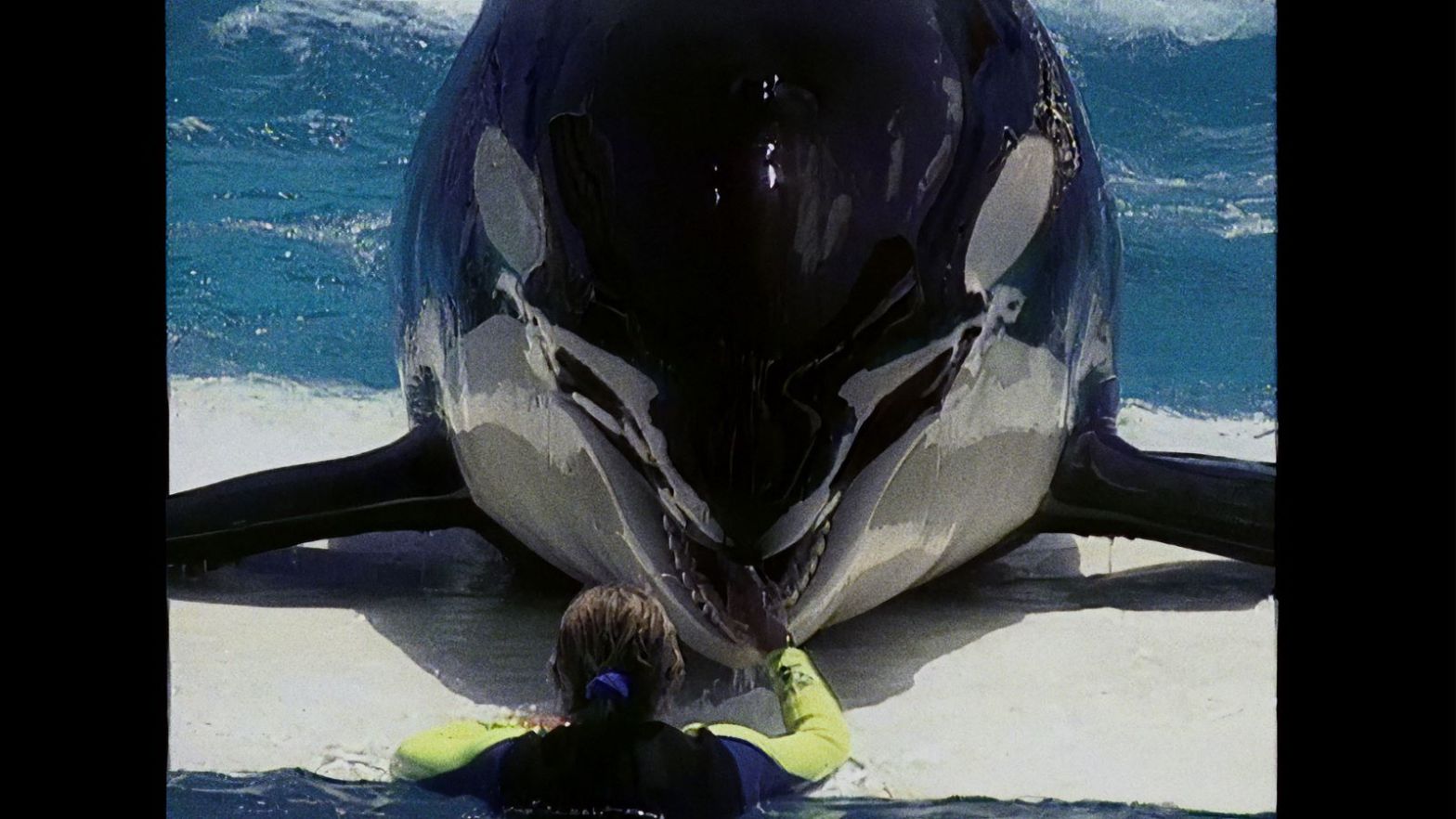
Southern Resident Killer Whales also known as Southern Resident Orca Whales are found in the Salish Sea in Washington and British Columbia. Presently there are 75 known South Resident Orca Whales facing extinction.
In the 1960’s and 1970’s some 50 were captured and transported to “marine parks” including infant Orca, Lolita, as she was named, ended up in the Miami Seaquarium where she remained for some 50 years until a rescue attempt was initiated by Indigenous tribes considering Orcas as part of their family. One of the Indigenous rescuers made a cutting analogy to the kidnapping of these Orcas to the kidnapping of Indigenous children into Canadian and American “residential school” compounds. North America’s Killing Fields as I refer to them.
The documentary chronicles the struggle of the Indigenous people to repatriate Lolita (Sk’ali Ch’ elh-tenaut) to her native Salish Sea. Alliances are struck and the viewer drawn very deeply into a life and death struggle to save Skali. The watch is so intense I would not be surprised if most of the audience will be joyous one moment then absolutely shattered at the next.
I watched a series on APTN network in Canada called “Yukon Harvest” and I remember one indigenous hunter shooting a deer. There was no joy in his voice and he walked up to his quarry but rather a deep sense of respect for an animal that gave its life to him. This is the Indigenous attitude towards Skali. Respect and the quest to rescue her was deeply symbolic. Land and sea with all its creatures including humans are one intertwined entity.
While you may be saddened or made furious by this documentary you may find the need to attribute blame for the kidnapping and commodification of Orcas. It is, in my opinion, all the happy audience members at these “seaworld” shows unknowingly supporting the kidnapping of Orcas no better than the blind and ignorant tourists riding elephants in Thailand or ”volunteering” at orphanages in Cambodia.
Here just outside of Toronto we have Marineland Niagara as a torture chamber for aquatic animals. Business and treatment of sea animals has not been particularly encouraging for its owners lately.
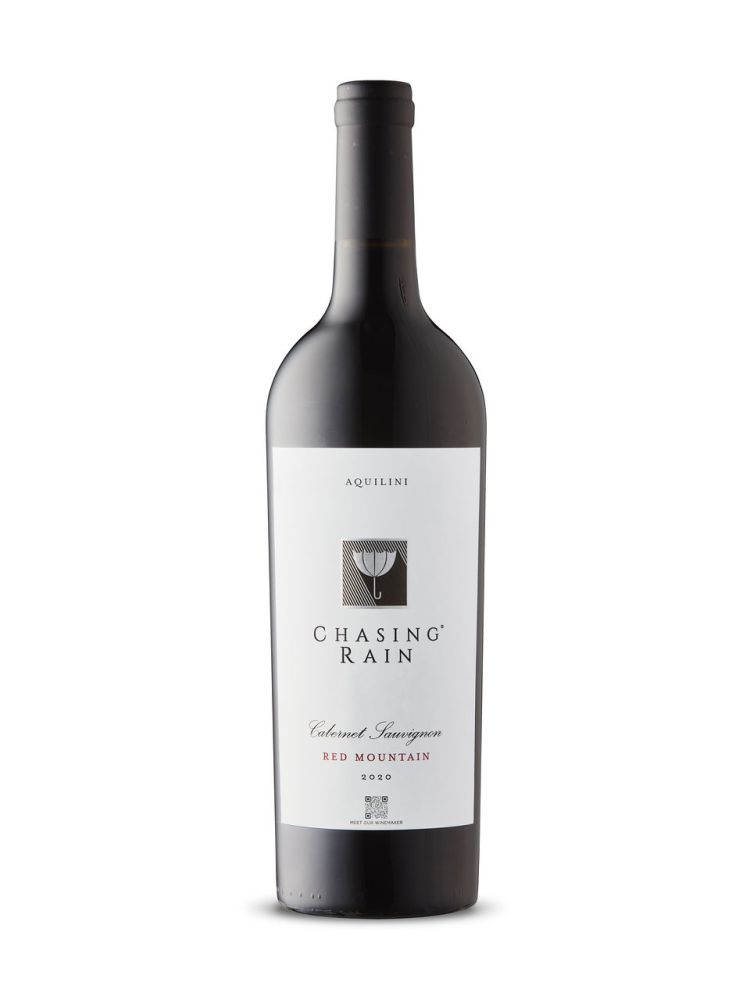
With today’s climate change one can be hoping to chase the rain either towards or away from you! Which way is the chase going for Chasing Rain Cabernet Sauvignon?
The Red Mountain AVA receives approximately 5 inches of rain annually. The winery’s website states, “Minimal rainfall, a dry climate and fast draining soil force more sugar and energy into the fruit not the leaf canopy resulting in intense notes of fruit.”
The grapes were hand picked and destemmed and fermented on the skins for three weeks then aged in new American oak for 20 months.
94% Cabernet Sauvignon and 6% Petit Verdot.
Aroma: The blueberry is so thick you could cut it with a knife. Blackberry, cassis with some cocoa.
Palate: Blueberry avalanche slides down smoothly. Fine but integrated acidity. Short finish with hints of chocolate and vanilla.
Personality: That blueberry imprint is classy west coast. At this price and quality California Cabernet Sauvignon is left way behind.
Food Match: Florentine grilled steak.
Cellarbility: Drinking very nicely now but will hold to 2025-year end.
Juanita Wallabong’s tour was wrapping up in North America with a final performance in Montreal at the Montreal Forum. We were enjoying a few glorious days off as this trip was about my education not simply music. I fell in love with Montreal as it was in North America but so un-American! I discovered Fairmont bagels, Schwartz’s smoked meat and kosher dill pickles and of course Mont Royal a wonderful mountainous park just off the centre of the city. There were jazz and blues clubs galore. There was Vieux Montreal that transported you back two hundred years in time. And of course in addition to falling in love with the city I fell for a dusky eyed beauty at a falafel joint called Basha on St. Catherine Street. A daughter of an immigrant family from Iraq she was working slinging tabouleh on falafel sandwiches. Our eyes met and it was all fire and brimstone. Being half Indian our relationship, or fling if you want to call it that, was tricky with strict parents that watched their little flower Minah like a hawk and if they knew that she was consorting with me it would be toast for us. It was bad enough she was refusing to wear a burka steadfastly saying to her parents, “I do not want to be a burka babe!”. Our relationship consisted of a few hot bagels, some kisses and some hand holding. Having been fed some anti-Muslim propaganda at King’s School for Young Men in Bombay I was aware this was a situation that might put Minah in danger if not in peril of her life through an honour killing. Her brother Abdul had suspected something was amiss and she thought she would be followed. Abdul was spending an inordinate amount of time sharpening his sword.
Fate may have solved the danger as I had to return to Bombay for the first term at my school. Juanita would finish off her tour in Japan and China and be home in a couple of weeks. I broke the news to Minah and we agreed to stay in touch. Somehow I knew I would be returning to Montreal as life without Fairmont bagels, Montreal smoked meat and the Iraqi gem Minah was going to be difficult.
Juanita took me to Dorval airport for my flight to New Delhi on Air India. Little did I know the finality of my good-bye to Juanita my mother.





 A Bird's Eye View of Fashion, Food, Travel, Culture, Beverage and Curiosity