RKS Literature: The Devil: Master of Disguise! (Thomas Nasche)

“It will be demanded why in likeness of one’s father or mother, or kinsfolks, he often presents himself unto us.

No other reason can be given of it but this, that in those shapes which he supposeth most familiar unto us, and that we are inclined to with a natural kind of love, we will soon harken to him than otherwise.

Should he not disguise himself in such subtle forms of affection, we would fly from him as a serpent and eschew him that hatred he ought to be eschewed.”

Thomas Nasche (1567-1601), “Terrors of the Night”

RKS Literature: The Tramp Monster and Sinister Chinaman (George Orwell)

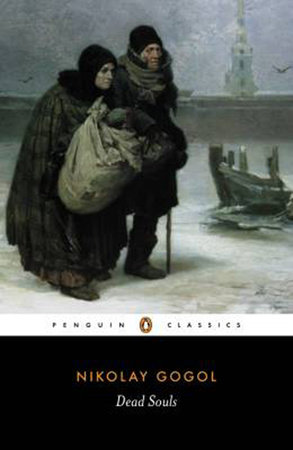
“In childhood we have been taught that tramps are blackguards, and consequently there exists in our minds a sort of ideal or typical tramp-a repulsive, rather dangerous creature, who would die rather than wash, and wants nothing but to beg, drink and rob hen-houses. This tramp-monster is no truer to life than the sinister Chinaman of the magazine stories, but he is very hard to get rid of. The very word ‘tramp’ evokes his image. And the belief in him obscures the real questions of vagrancy.”

George Orwell, “Down and Out in Paris and London”, 1933.

RKS Literature: The Devil’s Reign is Nighttime (Thomas Nasche)

“It is not to be gainsaid but the devil can transform himself into an angel of light, appear in the day as well as in the night, but not in this subtle world of Christianity so usual as before. If he do it, it is when men’s minds are extraordinarily thrown down with discontent, or inly terrified with some horrible concealed murder or other heinous crime close smothered in secret. In the day he may smoothly in some mild shape insinuate, but in the night he takes upon himself like a tyrant. There is no thief that is half so hardy in the day as in the night: no more is the devil. A general principle it is, he that doth ill hateth the light.”

Thomas Nasche (1567-1601), “Terrors of the Night”

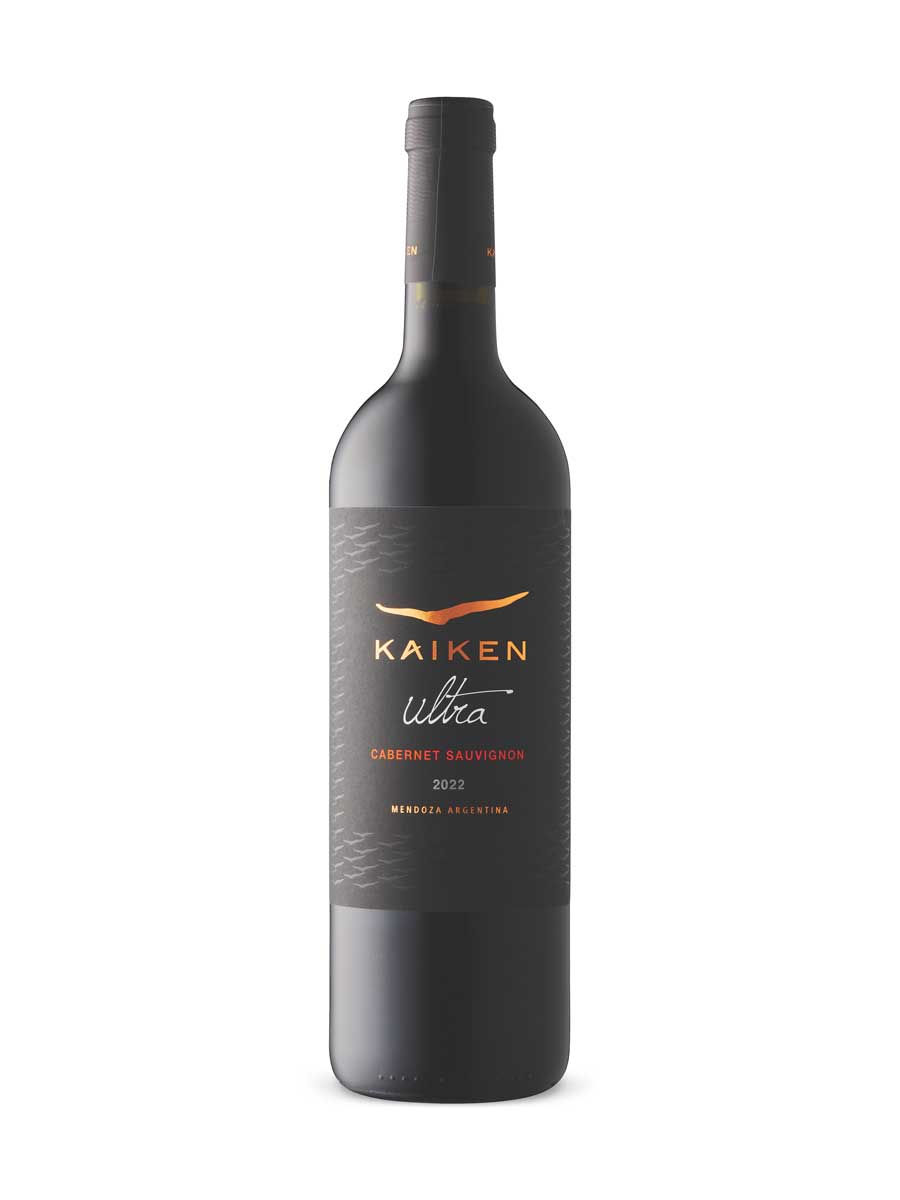
RKS ONTARIO WINE: And Now for Something Completely Different: Rosewood Blau

There is Blaufränkisch galore in Austria and Germany but when encountered in Canada think of Monty Python’s “And Now For Something Completely Different”.

Thank goodness for that incessant Cabernet Franc, Cabernet Sauvignon and Merlot in Ontario becomes boring.

Three cheers to Rosewood for a Blaufränkisch.

Cool label art by Liam Goslett.

Don’t panic as it is not fined nor filtered so it is a bit murky.

Serve chilled but not cold.

Aroma: Smoky. Grapey. Cranberry. Lowney chocolate covered cherry.

Palate: Tart. Thin. Juicy. Short but peppery and penetrating finish really begging for food.

Personality: Fresh. Sassy.

Food Match: Grilled chicken wings coated with Madoo’s jerk sauce with a side of field tomato salad.

Cellarbility: Consume up to mid 2027.

Price: $25 CDN.

RKS ONTARIO WINE RATING: 86/100.

(Rosewood 2023 Blau, VQA Niagara Lakeshore, Rosewood Winery, Lincoln, Ontario, 750 mL, 11%).

RKS Literature: Revenge of the Tramps for Their “Free” Tea at the Evangelical Church (George Orwell)

“It was a queer rather disgusting scene. Below were the handful of simple, well-meaning people, trying hard to worship; and above were the hundred men whom they had fed deliberately making worship impossible. A ring of dirty, hairy faces grinned down from the gallery, openly jeering. What could a few women and old men do against a hundred hostile tramps? They were afraid of us, and we were frankly bullying them. It was our revenge upon them in having humiliated us by feeding us.”

George Orwell, “Down and Out in Paris and London”, 1933.

RKS Literature: The Night is the Devil’s Black Book (Thomas Nasche)

“As touching the terrors of the night, they are as many as our sins. The night is the Devil’s Black Book, wherein he recordeth all our transgressions. Even as, when a condemned man is put into a dark dungeon, secluded from all comfort of light or company, he doth nothing but despairfully call to his mind his graceless former life, and the brutish outrages and misdemeanours that have thrown him into that desolate horror, so when night in her rusty dungeon hath imprisoned our eyesight, and that we are shut separately in our chambers from resort, the devil keepeth his audit in our sin-guilty consciences, no sense but surrenders to our memory a true bill of parcels of his detestable impieties.”

Thomas Nasche (1567-1601), “Terrors of the Night”

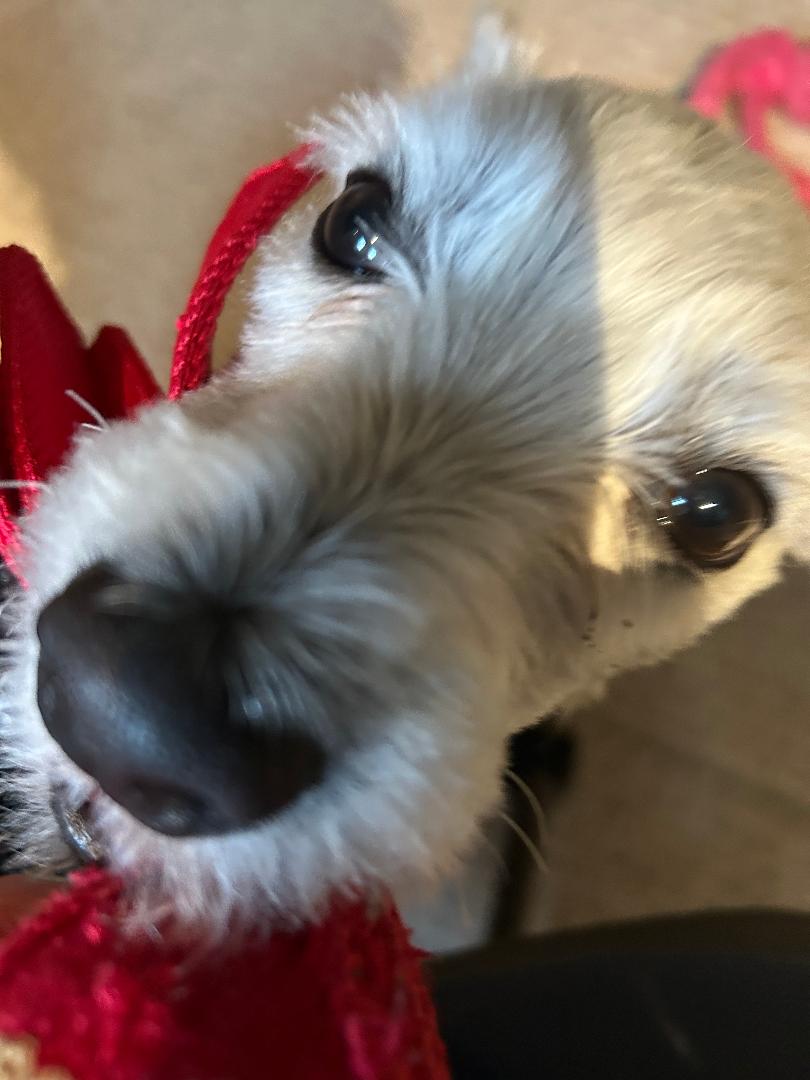
“Lost in Puppydom: Rory Dylan Stephen’s Puppydom” : THE ABDUCTION OF RORY DYLAN STEPHEN: A DAY OF REST AND SHOPPING SINGAPORE STYLE BEFORE THE SINGAPORE WESTIE OF THE YEAR CONTEST

The Singapore Times Exclusive: A DAY OF REST AND SHOPPING SINGAPORE STYLE BEFORE THE SINGAPORE WESTIE OF THE YEAR CONTEST

The penultimate day prior to The Singapore Westie of the Year contest!  Bobby Jr. had explained to me the events of the competition and as for Vermin and Rat Hunting you may recall Bobby Jr. gave me some training chasing rats at pathways near the Elias Mall in Pasir Ris. Vermin hunting is instinctual and I had the best instincts. Nearly nabbed a squirrel and a rabbit in Toronto before my abduction!

Bobby Jr. and I had our breakfast in-suite at the Singapore Shangri-La. Bobby wanted to ensure I was fully hydrated for the upcoming competition as the events were outdoor ones and Singapore can fry both canines and humans in a flash. I should revise that to “melt” due to a combination of high heat and humidity. So plenty of cool watermelon on my plate with my beloved chicken congee. Love that stuff.

Off in Bobby Jr.’s Mercedes to the Peranakan enclave in the Katong Area. Singapore’s Peranakan heritage refers to the rich and unique culture of the Peranakans, also known as the Straits Chinese or Straits-born Chinese. The community has a distinctive heritage combining elements of Chinese, Malay and Indonesian cultures. The term Peranakan refers to the descendants of Chinese immigrants who came to the Malay Archipelago, including Singapore between the 15th and 17th century and intermarriage created a unique hybrid culture. We visited a combo museum and sweet shop where we heard about the history of the Pernakans and preparation of the traditional kueh chang a bite sized tart filled with pineapple jam. Bobby let me have a nibble of the kueh chang despite Madame Fong’s instructions of “NO SWEETS”. I could have gobbled a couple of these delicious sweets. Bobby Jr. had his 12 Monkies Cambodian tea with his sweets and Evian water for me.

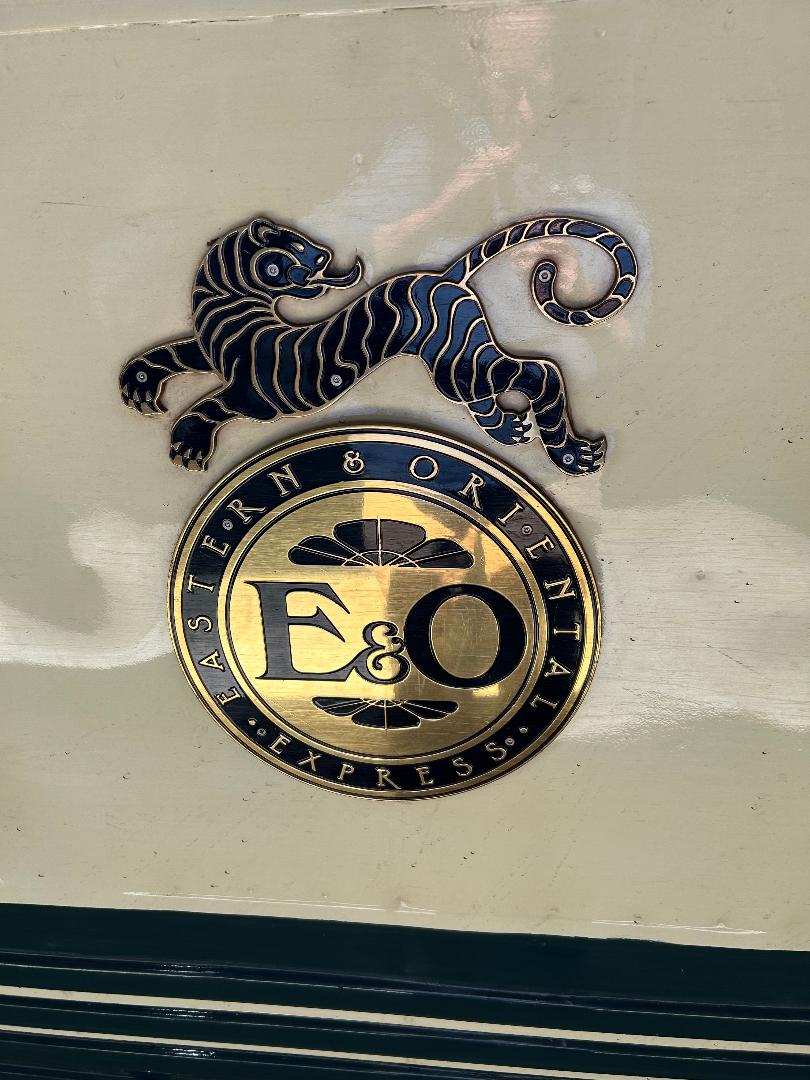
Bobby drove us to a huge high rise shopping mall called Ion which I think he said was once the site of the Thai Embassy. Shopping is part of Singaporean culture and on Madame Fong’s to do list. Bobby purchased some clothes for our upcoming trip on the Eastern Orient Express. The shops treated Bobby Jr. like the King of Siam pouring Champagne and serving delicious treats in private showing rooms. All paid for with wads of cash.

Eleven floors of shopping bliss and my fist ever trip to a “shopping mall”. Locals, well heeled types, and tourists from all over the world. Two floors of high-end restaurants and the “food court” in the lower level was spectacular with all varieties of well-prepared Asian food. I had a tiny bowl of chicken ball soup with a spoonful of lightly spiced Singaporean noodles.

Life may be delightfully bizarre but I am still a prisoner!

A tiring day so back to the Shangri-La for an in-suite light supper and a wonderful Disney Film “Reggie the Egyptian Rescue Dog” I have seen a dozen times before but could watch a dozen times more as after all the novel of the same name and  the screenplay was written by Bob. If only he could watch me at tomorrow’s competition! If only he could be here now….but he isn’t….no time for sentimentality!

I drifted off to sleep overhearing Bobby Jr. in a long discussion about the most effective poisons?

RKS British Literature: A Comparison of Opium and Wine (Part Three) (Thomas De Quincey)

“Thus, for instance, opium, like wine, gives an expansion to the heart and the benevolent affections; but then with this remarkable difference, that in the sudden development of kind heartedness which accompanies inebriation, there is always more or less of a maudlin character which exposes it to the contempt of the bystander. Men shake their hands, swear eternal friendship, and shed tears-no mortal knows why: and the sensual creature is clearly uppermost. But the expansion of benigner feelings incident to opium, is no febrile access, but a healthy restoration to that state which the mind would naturally recover upon the removal of any deep-seated irritation of pain that had disturbed and quarrelled with the impulses of a heart originally just and good.”

Thomas De Quincey, “Confessions of an English Opium Eater”, 1822.

RKS British Literature: A Comparison of Opium and Wine (Part Two) (Thomas De Quincey)

“But still, wine constantly leads a man to the brink of absurdity and extravagance, and, beyond a certain point, it is sure to volatize and to disperse the intellectual energies: whereas opium always seems to compose what has been agitated, and to concentrate what had been distracted. In short, to sum up all in one word, a man who is inebriated, or tending to inebriation, is, and feels that he is, in a condition which calls up into supremacy the merely human, too often the brutal, part of his nature: but the opium eater (I speak of him who is not suffering from any disease, or other remote effects of opium) feels that the diviner part of his nature is paramount; that is, the moral affections are in  state of cloudless serenity; and over all is the great light of the majestic intellect.”

Thomas De Quincey, “Confessions of an English Opium Eater”, 1822.

RKS British Literature: A Comparison of Opium and Wine (Part One) (Thomas De Quincey)

“But the main distinction is this, that whereas wine disorders the mental faculties, opium, on the contrary (if taken in a proper manner), introduces amongst them the most exquisite order, legislation, and harmony. Wine robs a man of his self-possession; opium greatly invigorates it. Wine unsettles and clouds the judgement, and gives a preternatural brightness, and a vivid exaltation to the contempts and the admirations, the loves and hatreds, of the drinker; opium on the contrary, communicates serenity equipoise to all the faculties, active or passive: and with respect to and moral feelings in general, it gives simply that sort of vital warmth which is approved by the judgement, and which would probably always accompany a bodily constitution of primeval or antediluvian health.”

Thomas De Quincey, “Confessions of an English Opium Eater”, 1822.