“This time the three men were in agreement. One after the other they spoke in despairing tones, and theirs was a long tale of woe. The working man wouldn’t be able to survive; the Revolution had only made things worse for him; the bourgeoisie had been living off the fat of the land since 1789, greedily taking everything for themselves and leaving not so much as the scraps off their plates. How could anyone say that the workers had their fair share of the extraordinary increase in wealth and living standards that had taken place over the previous hundred years. People had simply told them they were free and then washed their hands of them. Free? Yes, free to die of starvation.”
“They grew up quickly, these mining girls; and he remembered the ones back in Lille and how he used to wait for them behind the factories, whole gangs of them, already corrupted at the age of fourteen by living in the kind of destitution that makes people simply let themselves go.
From the age of ten La Moquette had been having sex in every corner of the ruins, not, like Lydie as a timid and unripe little urchin-child, but as a girl who had filled out and was ready for boys with beards.”
“A salad would go so well with the vegetable stew she had simmering on the stove, a mixture of potatoes, leeks and sorrel chopped up and then cooked with fried onion! The whole house reeked of this fried onion, which is a pleasant smell at first but soon turns rancid. Its foul odour penetrates the brickwork of the miners’ houses to such an extent the strong stench of this pauper cuisine announces their existence from far off in the countryside.”
“Mme Hennebeau was already growing tired of this visit, happy one minute to alleviate the tedium of her exile by playing this role of a zoo guide, then immediately repulsed by the vague odour of poverty that hung everywhere, despite the cleanliness of the carefully selected houses she dared to enter. In any case all she did was repeat a series of stock phrases; she never bothered her head about all these workers toiling and suffering at her gates.
‘Now’, said Mme Hennebeau, resting her case, ‘if anyone in Paris asks you about our villages, you can tell them. Never noisier than it is now, people living proper family lives, with everybody healthy and happy as you can see. It’s the sort of place you could come for a holiday, with clean air and lots of peace and quiet.”
They left the house with the spellbound air of people emerging from a freak show….
The Singapore Times Exclusive: THE ABDUCTION OF RORY DYLAN STEPHEN: COZYING UP WITH BIRTHDAY BOY SIR REGINALD NICOMSHIRE
Sir Reginald Nicomshire was delighted to see me again. We last met at his Good Class Bungalow in Singapore for my Singapore Westie of the Year victory party. He was with a rather young lady, perhaps too young for an 80-year-old man but you know how these things go with a DOM!
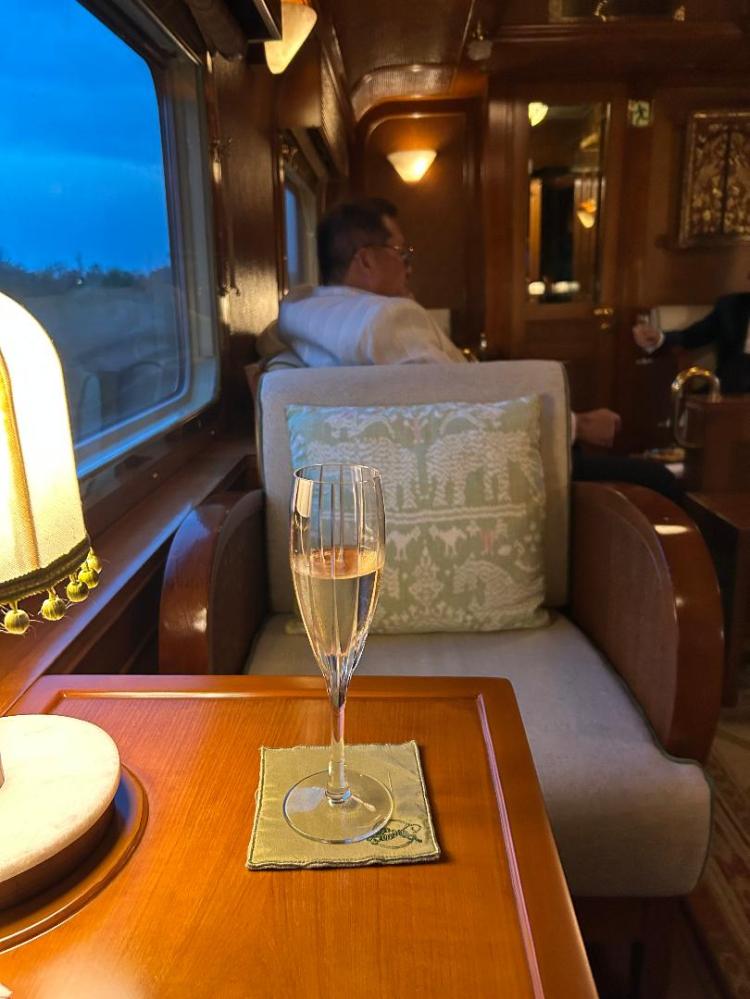
He seemed a bit hyper. There were several lines of white powder on his table with a half-finished bottle of Veuve Clicquot.
He slapped his lap and to me saying. “Come on up Cuddlecakes!”. If a West Highland Terrier is a lap dog it will be on his terms not the human’s. But to escape to freedom I had to play the Fong game, so I hopped up on his lap.
Sir Reginald’s wife Prunella, you may recall, hated dogs being allergic to them so Sir Reginald was “enjoying” her absence on this trip. His young lady friend was not allergic to me and certainly was not allergic to Sir Reginald if you know what I mean.
They wiled away a couple of hours sucking up this white powder in their noses and drinking a vast quantity of champagne listening to the soundtrack for the film “Monterey Pop”.
Keith, our butler, rapped gently on the door, notifying us cocktails would be served at the Piano Bar at 18:00 hours and Bobby Jr. has asked him to return me to our cabin so we could freshen up.
Sir Reginald’s parting words were, “See you soon Cuddlecakes. We are going to have a blast tonight. Life is never boring with Reggie!”.
The Singapore Times Exclusive: THE ABDUCTION OF RORY DYLAN STEPHEN: COZY UP TIME BUT FOR WHAT PURPOSE?
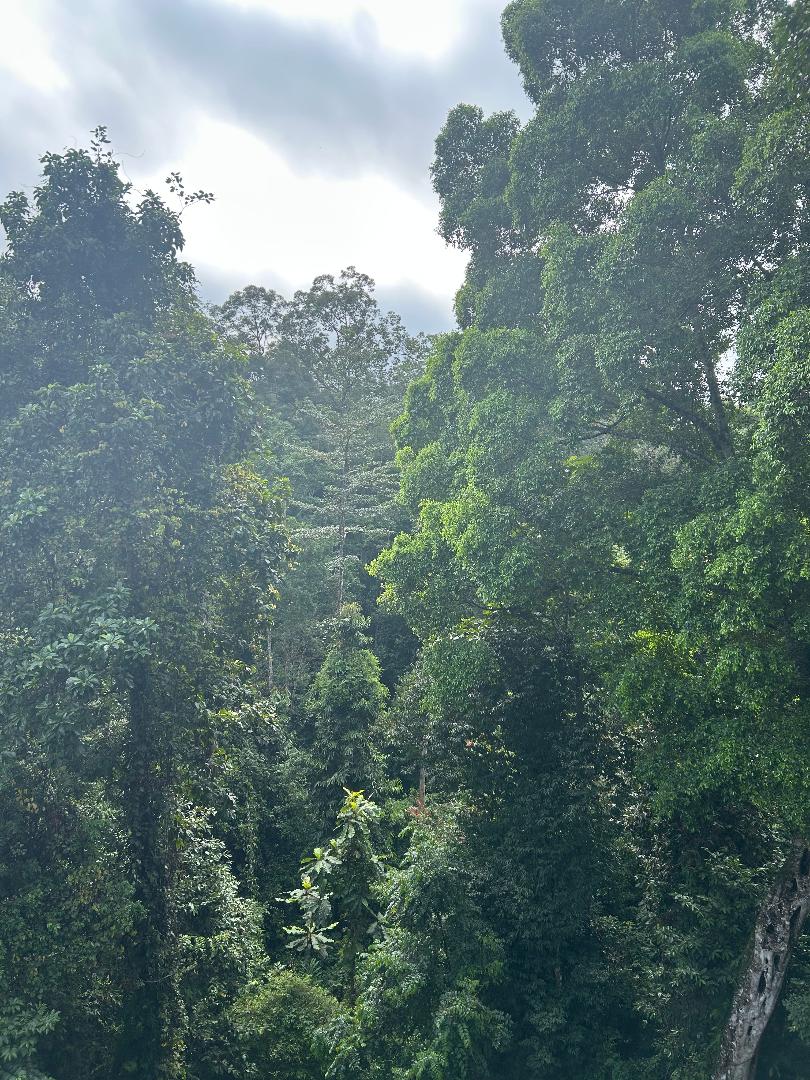
We remained on the observation car for about an hour watching the jungle flow by. Dense. Green. Palm and rubber trees. Small towns now and then with poverty the name of the game. Shanties and an occasional speckling of what might be “middle class” or kulak homes with bars on all windows and satellite dishes. On occasion a larger town with apartment blocks evidence of an apparent growing middle class. Kentucky Fried Chicken kiosks in every small town.
Oppressive heat and humidity here traversing Malaysia but with the breeze caressing the open aired observation car it is almost pleasant.
Keith, our butler, visits us in the observation car and asks where we would like our high tea served. Bobby Jr. answers in our State Cabin whereupon Keith responds it will ready for us in 15 minutes. Bobby Jr. tells Keith not to forget his 12 Monkeys Cambodian tea and some watermelon and mango slices for me Cuddlecakes.
Returning to our State Cabin for tea the air conditioning is a total pleasure. Not frigid. Just right. In Southeast Asia at times the air conditioning is too strong giving one the chills. In from the oven into the freezer is most unpleasant.
We pass by the smaller Pullman Cabins. My goodness how tiny. Like sardines in a can Bobby Jr. remarks.
Not only has tea been set up by Keith for us but Amira, Bobby Jr.’s girlfriend is waiting for us. She has always treated me with the utmost respect and with affection I’d say.
As you recall Bobby Jr.’s mother detests Malaysian women, so Amira is a person best kept hidden from that Dragon Lady for the time being. Bobby Fong Sr. was seduced by a Malaysian woman and flew the coop leaving behind a very angry Madame Fong!
Friendly chit chat over tea. Lots of dainties like cucumber sandwiches, tiny cakes and sweets, fruit and yogurt. I enjoy my fruit slices and my small bowl of jasmine tea I have become so fond of during my “imprisonment”.
Bobby explains to me I am to be an absolute best friend to Sir Reginald Nicomshire who has a mad passion, like so many West Highland Terrier owners, for Westies. Bobby Jr. explains the Eastern & Oriental Express trip we are on is ostensibly to celebrate Nicomshire’s eightieth birthday but if he doesn’t come to his senses he may very well end up like that “unfortunate” in the film “Murder on the Orient Express”.
As Bobby Jr. and Amira “have some business to discuss” requiring privacy so Keith comes to take me on a walk through the train and escorts me to Nicomshire’s Presidential Cabin for tea.
“The Grégoires delegated the distribution of alms to Cécile. It was their idea of giving her a good education. One had to be charitable, they said, their house was God’s house. Moreover, they flattered themselves that they were intelligent about their charity, being forever concerned that they should not be duped and encourage evil ways. Hence they never gave money, never! Not so much as ten sous. Because, of course, as everyone knew, the moment you gave the poor so much as two sous, they drank them. And so their alms were always given in kind, and particularly in the form of warm clothing, which they distributed to destitute children in the winter.”
“Stretched out on their sides, they were now tapping away harder than ever in their single-minded determination to fill a decent number of tubs. They became oblivious to all else as they gave themselves up to this furious pursuit of a reward so dearly won. They ceased to notice the water streaming down and causing their limbs to swell, or the cramps brought about by being stuck in awkward positions, or the suffocating darkness that was making them go pale like vegetables in a cellar. As the day wore on, the atmosphere became even more poisonous and the air grew hotter and hotter with the fumes from their lamps, and the foulness of their breath, and the asphyxiating firedamp, which clung to their eyes like cobwebs and would only clear up only when the mine was ventilated during the night.”
As I watch the television news there is hatred in so many countries for so many reasons perhaps politics being the main culprit. Look at the polarization in the United States where it is Democrats on one side of the fence and Republicans on the other. No trust. No true concern for governing a country just accusing each other of malfeasance.
And this great divide is not restricted to any particular country as it rages between countries. Thailand battling Cambodia and so forth.
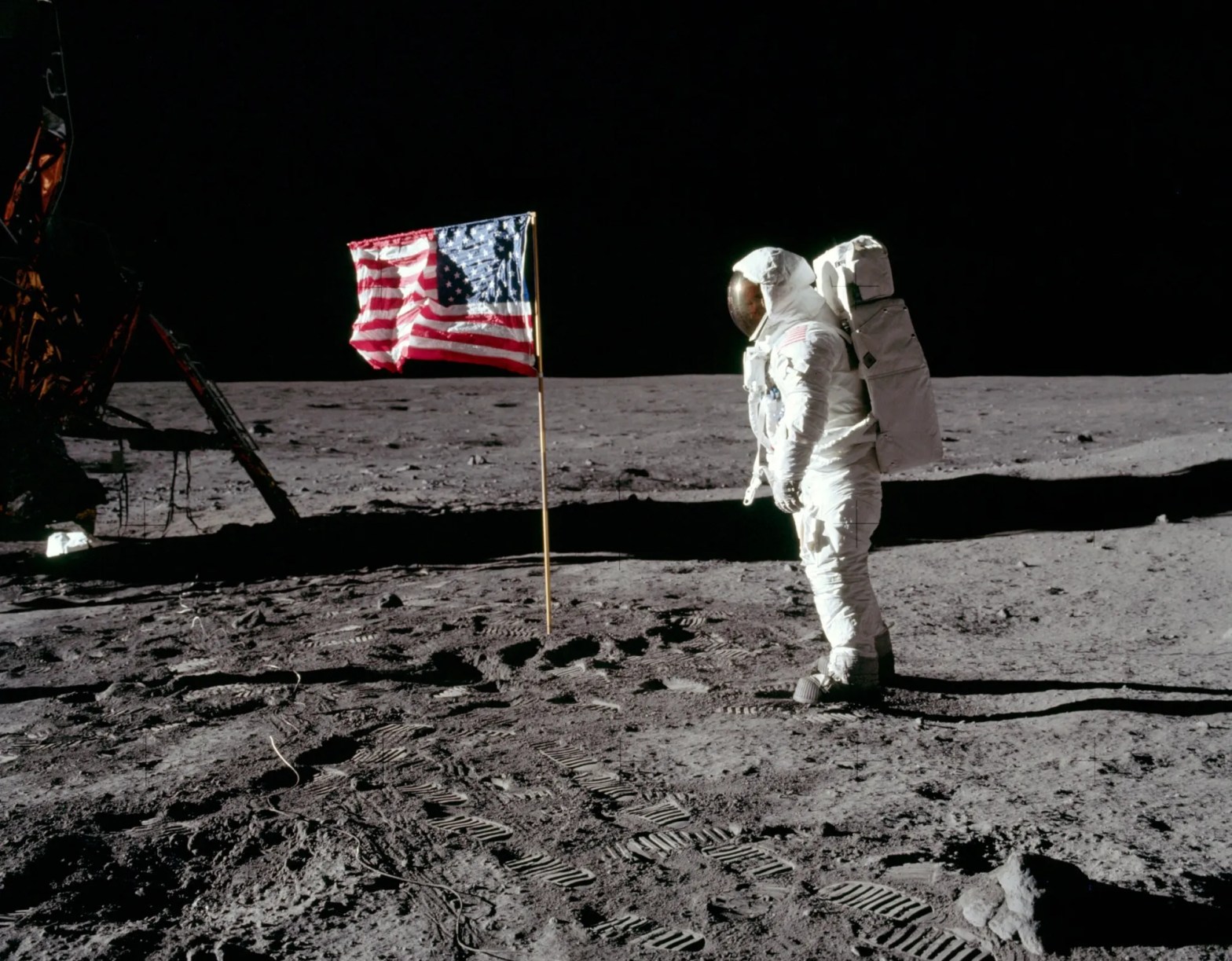
To paraphrase astronaut Neil Armstrong when he walked on the moon (assuming it wasn’t a fabricated event) one small step for man one giant leap for mankind. As Bob takes me for neighbourhood walks it seems there is more talking than walking. Bob talking to the neighbours about more than just canine thrills and chills. They don’t always agree on everything but then again, they aren’t cursing at each other or bashing heads!
You can hold salvation in liberalism, conservatism, socialism, communism, religion anarchism or the Kardashians but what about if all families had a dog compelling them to walk the streets and parks of their communities. Wouldn’t that chill the nasty edge of potential animosity unless of course the enormous amounts of dog poop were not bagged by dog owners!