Passage of the Day :Marguerite de Navarre: “The Heptameron”: Love

“I’ll do just as you ask, because the story I have in mind is about a woman who was wanton and a woman who was wise. You may please yourselves which example you follow. You will see that love makes bad people do bad things, and virtuous people do things we should respect. For in itself, love is good, but if the individual is bad, then you might wish to call it something else – foolish, fickle, cruel or deprived. What you will see, then, from the story I am about to tell you. It is that love doesn’t change the heart but shows the heart as it really is – wanton in women who are wanton, wise in women that are wise.”

Marguerite de Navarre (1492-1549)

“Mutantism on the March” :Chapter 37 “Green Cross Public Relations vs. Reality”

Nicaragua was embroiled in a fiendish mess. Detroit manufactured Cadillac’s whizzed by the begging hordes occasionally tossing a few worthless coins not for charitable purposes but rather for a laugh at these dirty and rank smelling masses. Charity was big business for Hartford Connecticut based Green Cross. A leaked report by a team of investigative Nicaraguan journalists, later found dead outside Managua with their severed heads attached to poles, exposed a salacious little fact that Green Cross was selling Nicaraguan blood for a tidy profit in the United States. It was also suggested more information was to be released concerning the Green Cross acting as an organ broker in Europe. So in fact Nicaragua was being bled dry in many ways. The poverty was augmenting weekly and surpassing dismal Central American averages. A fair comment could be made the nation was in the hands of greedy profit mongers with a goal of squeezing out every sellable commodity from Nicaragua.

Squid was well in tune with the squalor of Nicaragua being briefed by Santa Claus and through the reading of reports of gringo charities operating in Nicaragua “explaining” the miserable conditions. This poverty, filth and disease was all the more appalling given that across the street were gated and guarded mansions. Green Cross was the dominant charitable organization operating in the country. Squid’s contacts told him Green Cross was expanding from blood selling and organ brokering to child abduction to placate the demand of the northern infertiles. Green Cross was nothing but another gringo “corporation” operating in the middle of a stinking moral and economic cesspool. The Green Cross in many eyes were nothing but apologists for the real gringo culprits. It was time something was done.

With some volunteers Squid researched the goings on of Green Cross, It wasn’t long before the secret police discovered what Squid was up to and in a surprising move the government praised his efforts to make Nicaragua a stronger country and a kinder one to its citizens. They also gave him some friendly advice that he was wasting his time as the junta had formed an investigative committee to “investigate” Green Cross charitable work so he would be their guest at a luxurious government villa (under house arrest) for a week after which he would be flown to New Delhi. Squid escaped house arrest and undercover finished his research some three weeks later culminating in a devastating report.

Rufus Moonhead was the brains behind the Green Cross in Nicaragua operating under the name Booker T. Whilmot. Yes Moonhead, as you may remember, was chased out of the United States for numerous criminal activities including bribery, fraud and smuggling much exposed by Squid himself. Moonhead had fled to Nicaragua initially drinking vast quantities of beer and becoming acquainted with every prostitute both male and female in Nicaragua.

Some friendly United States senators with links to the CIA, advised Moza of the whereabouts of Moonhead and his potential for protecting a country surrounded by communism. Moza’s agents found Moonhead dead drunk at the Intercontinental Hotel in Managua. After sobering him up they escorted him to the presidential place to Moza who was impressed with a jewel of a find. A gringo that had swindled fellow gringos out of millions! Moonhead resigned his position at the Green Cross after being offered a consultancy position on the Nicaraguan Public Advertising Commission. Thinking he would lead a life of languishing drunkenness and attempting to avoid STDs  he was brought back to life with a license to swindle. His first task was to solicit the ears and sympathies of several large United States corporations such as Unifoods, Murky Express and Green Cross. Big plans were afoot.

Testimonial to Failure in Strategy: Yet Another Yo-Yo Move Stay at Home Order in Ontario

COVID-19: enhanced public health and workplace safety measures

Learn about the state of emergency and provincewide stay-at-home order to interrupt transmission of COVID-19covid 19.

Stay-at-home order

A province-wide declaration of emergency and a stay-at-home order are in effect as of April 8 at 12:01 a.m. The COVID-19covid 19 Response Framework (colour-coded zones) is paused during this time.

On this pageSkip this page navigation

  1. About the state of emergency and provincewide stay-at-home order
  2. General public health and workplace safety measures
  3. For individuals
  4. Organized public events and social gatherings
  5. Businesses that can open and relevant restrictions
  6. Businesses not permitted to open
  7. Related

About the state of emergency and provincewide stay-at-home order

As COVID-19covid 19 cases continue to rise at an alarming rate, a state of emergency and provincewide stay-at-home order are in effect as of Thursday, April 8, at 12:01 a.m.

This puts in place shutdown measures that:

  • are the most stringent, to address rapidly escalating conditions, including the spread of variants of concern
  • include business closures in higher risk sectors (for example, fitness activities, personal care service establishments, indoor and outdoor dining)

Read O. Reg. 82/20 for details.

General public health and workplace safety measures

For businesses, organizations and facilities

Refer to O. Reg. 82/20 for details.

Public health advice, recommendations and instructions

Businesses or organizations must comply with the advice, recommendations and instructions of public health officials. This includes advice, recommendations or instructions on:

  • physical distancing
  • cleaning or disinfecting
  • working remotely

Check with your local public health unit for any additional advice, recommendations or instructions.

Work from home except where necessary

Each person responsible for a business or organization that is open shall ensure that any person who performs work for the business or organization conducts their work remotely, with limited exception, for instance, where the nature of their work requires them to be on-site at the workplace.

Physical distancing and line management

Businesses must not permit patrons to line up inside, or to line up or congregate outside, unless they:

  • maintain a physical distance of at least two metres from others
  • wear a mask or face covering (with some exceptions)

Screening

Businesses or organizations must operate in compliance with the advice, recommendations instructions issued by the Office of the Chief Medical Officer of Health on screening individuals.

For patrons

Businesses must implement passive screening for patrons by posting signs at all entrances informing people to screen themselves for COVID-19covid 19 before entry.

Active screening is required in accordance with instructions by the Office of the Chief Medical Officer of Health. Where this is required, it is noted in the sections below.

For workers

Workplaces must screen all workers or visitors entering the work environment. See the COVID-19covid 19 Screening Tool for Workplaces for more information.

Personal protective equipment including eye protection

Everyone must wear a mask or face covering that covers their mouth, nose and chin inside any business or place that is open (with some exceptions).

Workers must wear appropriate personal protective equipment (PPE) that protects their eyes, nose and mouth, if in the course of providing services they are:

  • required to come within 2 metres of another person who is not wearing a mask or face covering
  • in an indoor area and are not separated by plexiglass or some other impermeable barrier

Capacity limits

As of April 8 at 12:01 a.m., the majority of non-essential stores (including malls) will only be open for curbside pick-up and delivery by appointment, and additional capacity limits may apply.

In person shopping permitted for all retail, subject to ability to maintain two metres of physical distancing and capacity limits of:

  • 50% for supermarkets and other stores that primarily sell groceries, convenience stores and pharmacies
  • 25% for all other retail, including discount and big box retailers, liquor stores, cannabis stores, hardware stores and garden centres

All businesses or facilities that engage in retail sales to the public must post a sign in a location visible to the public that states the maximum capacity they are permitted to operate under.

To calculate maximum capacity:

  • for 50% capacity: divide the total square metres of floor space accessible to the public (not including shelving and store fixtures) by 8 and round down to the nearest whole number
  • for 25% capacity: divide the total square metres of floor space accessible to the public (not including shelving and store fixtures) by 16 and round down to the nearest whole number

Cleaning and disinfection

Open businesses must ensure that equipment, washrooms, locker rooms, change rooms and showers that are accessible to the public are cleaned and disinfected as frequently as is necessary to maintain a sanitary condition.

Face coverings

Businesses or organizations must ensure that patrons and workers wear masks or face coverings indoors, with limited exceptions.

Safety plans

Open businesses must prepare and make available a COVID-19covid 19 safety plan. A copy of the plan must be made available to any person for review upon request, and be posted where it would come to the attention of individuals working in or attending the business.

For individuals

Physical distancing

Everyone must maintain a physical distance of at least two metres from others (except for caregivers or other members of their household) in a place of business or facility that is open to the public.

Face coverings

Everyone must wear a mask or face covering that covers their mouth, nose and chin in indoor public spaces (with limited exceptions).

Accessing closed indoor and outdoor recreational amenities

Accessing closed indoor and outdoor recreational amenities is not allowed.

Organized public events and social gatherings

Events and gatherings

Indoor organized public events and social gatherings are not allowed, except with members of the same household (the people you live with).

Individuals who live alone and single parents may consider having exclusive, close contact with another household to help reduce the negative impacts of social isolation.

Outdoor organized public events and social gatherings must comply with public health advice on physical distancing and have no more than 5 people.

Weddings, funerals and other religious services, rites or ceremonies

For weddings, funerals and other religious services, rites or ceremonies:

  • physical distancing must be maintained
  • guests must wear masks or face coverings
  • capacity limits:
    • indoors: 15% capacity of the room
    • outside: the number of people that can maintain two metres physical distance from each other

Drive-in services, rites or ceremonies permitted, subject to certain conditions.

Virtual services permitted.

Businesses that can open and relevant restrictions

Refer to O. Reg. 82/20 for details.

Supply chain

Businesses allowed to open if they supply essential:

  • support
  • products
  • supplies
  • systems
  • services, including processing, packaging, warehousing, distribution, delivery and maintenance

Meeting or event spaces

Only permitted to open for:

  • child care centres and authorized recreational and skill building programs (as described in the Child Care and Early Years Act, 2014)
  • court services
  • government services
  • mental health and addictions support services (for example, Alcoholics Anonymous), permitted to a maximum of 10 people
  • social services
  • collective bargaining, so long as more than ten people are permitted to occupy the rented space

Contact information recording required, with the exception of court services.

Restaurants, bars, and other food or drink establishments

Take out, drive through, and delivery permitted only (includes the sale of alcohol).

Night clubs and strip clubs only permitted to open if they operate as a food or drink establishment.

Retailers

Supermarkets, convenience stores, indoor farmer’s markets and other stores that primarily sell food

Open for:

  • in-person retail (50% capacity where two metres physical distancing can be maintained)
  • curbside pick-up
  • delivery

Pharmacies

Open for:

  • in-person retail (50% capacity, where two metres physical distancing can be maintained)
  • curbside pick-up
  • delivery

All other retail (including liquor, cannabis, hardware and pet stores)

As of April 8 at 12:01 a.m., the majority of non-essential stores will only be open for curbside pick-up and delivery, by appointment, with some exceptions. Discount and big box stores will only be open for in-person shopping for groceries, household cleaning supplies, personal care items, pharmacy items and pet supplies.

Currently open for:

  • in-person retail (25% capacity, where two metres physical distancing can be maintained)
  • curbside pick-up
  • delivery

Shopping malls

As of April 8 at 12:01 a.m., access to shopping malls will be limited to curbside pick-up and delivery only, by appointment.

Currently open, with the following conditions:

  • maximum capacity 25% per store, where two metres physical distancing can be maintained
  • inside dining spaces closed (includes food courts)
  • music must be low enough for normal conversation to be possible
  • indoor shopping malls must actively screen patrons in accordance with the advice, recommendations and instructions of the Office of the Chief Medical Officer of Health before they enter

Motor vehicle sales

As of April 8 at 12:01 a.m., in-person shopping for motor vehicles will be available by appointment only.

  • Includes cars, trucks and motorcycles; recreational vehicles including motor homes; trailers and travel trailers; boats and other watercraft; and other motorized vehicles, including power-assisted bicycles, golf carts, scooters, snowmobiles and all-terrain vehicles
  • Members of the public must not be permitted where products are neither sold nor displayed for sale
  • Subject to certain conditions related to test drives, including:
    • limited to no more than 10 minutes
    • a maximum of two people, including up to one sales representative permitted
    • windows must be opened at all times unless if two people who are not members of the same household are present in the vehicle

Services

Permitted services include:

  • rental and leasing services, including automobile, commercial and light industrial machinery and equipment rental
  • gas stations and other fuel suppliers
  • automated and self-service car washes
  • laundromats and drycleaners
  • snow clearing and landscaping services
  • security services for residences, businesses and other properties
  • domestic services to support children, seniors or vulnerable persons, including:
    • housekeeping
    • cooking
    • indoor and outdoor cleaning and maintenance services
  • vehicle and equipment repair and essential maintenance and vehicle and equipment rental services
  • courier, postal, shipping, moving and delivery services
  • funeral and related services
  • staffing services including providing temporary help
  • veterinary services and other businesses that provide pet services and for the health and welfare of animals, including:
    • farms
    • boarding kennels
    • stables
    • animal shelters
    • research facilities
    • pet groomers
    • pet sitters
    • pet walkers
    • pet trainers (including for service animals)

Rental accommodations

Hotels, motels, lodges, cabins, cottages, resorts student residences and other shared rental accommodations

  • Indoor pools, fitness centres or other recreational facilities closed.

Short-term rentals

Short-term rentals (for example, cottages, cabins) are only to be provided to individuals who are in need of housing.

With the exception of exercising an Aboriginal or treaty right, ice fishing huts may:

  • only be used by to members of the same household
  • not be used overnight

Seasonal campgrounds

Campsites must be made available only for trailers and recreational vehicles that are:

  • used by individuals who are in need of housing
  • permitted to be there by the terms of a full season contract

Only campsites with electricity, water services and facilities for sewage disposal may be provided.

All recreational facilities in the campground and all other shared facilities in the campground, other than washrooms and showers, must be closed.

Other areas of the campground must be closed to the genera public (may only be opened for preparing the seasonal campground for reopening).

Post-secondary institutions

Post-secondary institutions open for virtual instruction, with limited exceptions where in-person instruction is required (e.g., clinical training, trades). Subject to physical distancing with limited exceptions.

In-person teaching (each instructional space at the institution at one time) and in-person examinations cannot exceed 10 persons, with limited exemptions for:

  • diagnostic cardiac sonography and diagnostic medical sonography
  • diagnostic ultrasound
  • medical imaging
  • medical laboratory assistant and Medical laboratory technician
  • medical radiation technology
  • medicine
  • mental health and addictions services, including psychology services, social work services and counselling services
  • nursing
  • paramedic
  • personal support worker, supportive care worker, home care worker or a similar occupation
  • pharmacy/pharmacy technician
  • public health inspector, if the program is accredited by the Canadian Institute of Public Health Inspectors
  • rehabilitation sciences (nutrition, speech language pathology, occupational science, and physiotherapy)
  • respiratory therapy

Additional requirements for in-person teaching that involves singing or the playing of brass or wind instruments.

Financial services

Financial services that are permitted include:

  • capital markets and related securities trading and advisory services
  • banking/credit union activities including credit intermediation
  • insurance
  • land registration services
  • pension and benefits payment services
  • financial services including payroll and payment processing and accounting and tax services

Real estate (including pre-sale construction)

No open houses – showing a property permitted by appointment only.

Telecommunications and IT infrastructure/service providers

Permitted businesses include:

  • information technology (IT) services, including online services, software products and the facilities necessary for their operation and delivery
  • telecommunications providers and services (phone, internet, radio, cell phones etc.) and facilities necessary for their operation and delivery
  • newspapers, radio and television broadcasting

Maintenance

Maintenance, repair and property management services that manage and maintain the safety, security, sanitation and operation of institutional, commercial, industrial and residential properties and buildings are allowed.

Transportation services

Permitted services include:

  • transportation services provided by air, water, road, and rail, including taxis and other private transportation providers
  • support services for transportation services, including:
    • logistical support, distribution services, warehousing and storage, truck stops and tow operators, and
    • services that support the operations and safety of transportation systems including maintenance and repairs
  • marinas, boating clubs and other organizations that maintain docking facilities (with conditions)
  • businesses that provide and support online retail, including by providing warehousing, storage and distribution of goods that are ordered online

In-person driving instruction

In-person driving instruction only permitted for:

  • instruction for drivers of commercial motor vehicles
  • the Ontario Driver Certification Program (administered by the Ministry of Transportation), for motor vehicles for which:
    • a class of driver’s licence other than Class G, G1, G2, M, M1 or M2 is required
    • an air brake endorsement is required
  • students at private career colleges, in accordance with certain conditions

Manufacturing

Businesses are permitted if they:

  • extract, manufacture, process and distribute goods, products, equipment and materials, including businesses that manufacture inputs to other manufacturers (for example primary metal/steel, blow molding, component manufacturers and chemicals that feed the end-product manufacturer), regardless of whether those other manufacturers are inside or outside of Ontario
  • support and facilitate the movement of goods within integrated North American and global supply chains

Agriculture and food production

Businesses are allowed if they:

  • produce food and beverages, agricultural products (including plants), including by farming, harvesting, aquaculture, hunting and fishing
  • process, manufacture or distribute:
    • food
    • beverages
    • crops
    • agricultural products
    • animal products and by-products
  • support the food or agricultural products supply chains and the health and safety of food, animals and plants

Construction

Construction activities or projects and related supporting services, including demolition and land surveying, are allowed.

Resources and energy

Businesses that provide and ensure the domestic and global continuity of supply of resources are allowed, including:

  • resource exploration
  • mining
  • forestry
  • aggregates
  • petroleum and petroleum by-products
  • chemicals

Also allowed are:

  • electricity generation, transmission, distribution and storage
  • natural gas distribution, transmission and storage

Community services

Businesses that deliver or support the delivery of community services are allowed, including:

  • sewage treatment and disposal
  • waste collection, transport, storage, processing, disposal or recycling
  • potable drinking water
  • critical infrastructure repair and maintenance including roads, dams, bridges
  • environmental rehabilitation, management and monitoring, and spill clean-up and response
  • administrative authorities that regulate and inspect businesses
  • professional and social services that support the legal and justice system
  • government services, including:
    • policing and law enforcement
    • fire and emergency services
    • paramedics
    • coroner and pathology services
    • corrections and court services
    • licences and permits
  • allotment gardens or community gardens

Facilities for sports and recreational fitness activities

Only open for:

  • identified high-performance athletes, including parasport athletes training and competing for the next Olympics/Paralympics, and specified professional leagues (for example, NHL and AHL
  • child care, mental health and addiction support services, social services or other specified purposes (includes community centres and multi-purpose facilities, such as YMCA) – 10 people maximum
  • access to physical therapy for a person with a disability (as defined in the Accessibility for Ontarians with Disabilities Act, 2005)

Outdoor recreational amenities

Outdoor recreational amenities permitted to open, subject to conditions, include:

  • parks and recreational areas
  • baseball diamonds
  • batting cages
  • soccer, football and sports fields
  • tennis, platform tennis, table tennis and pickleball courts
  • basketball courts
  • BMX parks
  • skate parks
  • frisbee golf locations
  • cycling tracks and bike trails
  • horse riding facilities
  • shooting ranges, including those operated by rod and gun clubs
  • ice rinks
  • tobogganing hills
  • snowmobile, cross country, dogsledding, ice-skating and snow-shoe trails
  • playgrounds
  • portions of parks or recreational areas containing outdoor fitness equipment
  • golf courses and driving ranges

A permitted outdoor recreational amenity may only open if:

  • physical distance of at least two metres can be maintained
  • team sports, or other sports or games where people may come within two metres of each other, are not practiced or played
  • locker rooms, change rooms, showers and clubhouses remain closed (except for access to equipment storage, washrooms or first aid)

Research

Businesses and organizations that maintain research facilities and engage in research, including medical research and other research and development activities, are permitted.

Health care and social services

Permitted:

  • organizations and providers that deliver home care services or personal support services to seniors and persons with disabilities
  • regulated health professionals
  • professionals or organizations that provide in-person counselling services
  • organizations that provide health care, including:
    • retirement homes
    • hospitals
    • clinics
    • long-term care facilities
    • independent health facilities
    • mental health and addictions counselling supports
  • laboratories and specimen collection centres
  • manufacturers, wholesalers, distributors and retailers of pharmaceutical products and medical supplies, including:
    • medications
    • medical isotopes
    • vaccines and antivirals
    • medical devices
    • medical supplies
  • manufacturers, distributors and businesses that provide logistical support for products and services that support the delivery of health care
  • organizations that provide critical personal support services in home or residential services for individuals with physical disabilities
  • organizations that support the provision of food, shelter, safety or protection or social services and other necessities of life to economically disadvantaged and other vulnerable individuals
  • businesses that are primarily engaged in the provision of health and safety training (with conditions)

Media industries

Permitted:

  • sound recording, production, publishing and distribution businesses
  • commercial film and television production, including all supporting activities such as hair, makeup and wardrobe – with the following conditions:
    • no studio audiences permitted to be on the film or television set
    • no more than 50 performers may be on the film or television set
    • the film or television set may be located in any business or place, including any business or place that is otherwise required to be closed
    • set must be configured and operated in such a way as to enable persons on the set to maintain a physical distance of at least two metres from other persons, except where necessary for the filming of the film or television production
    • hair or makeup services providers must wear appropriate personal protective equipment
    • singers and players of brass or wind instruments must be separated from any other performers by plexiglass or some other impermeable barrier
    • the person responsible for the film or television production must ensure that the production operates in accordance with the guidance document titled “Film and television industry health and safety during COVID-19covid 19” issued by the Film and Television Health and Safety Advisory Committee of the Ministry of Labour, Training and Skills Development, as amended from time to time.
  • film and television postproduction, visual effects and animation studios
  • book and periodical production, publishing and distribution businesses
  • commercial and industrial photography
  • interactive digital media businesses, including:
    • computer system software or application developers and publishers
    • video game developers and publishers

Libraries

Circulating materials must be reserved over the telephone or online for contactless curbside, delivery or pick-up.

Patrons must only be permitted to enter the premises to facilitate the contactless drop-off and pick-up or access computers, photocopiers or similar services.

Patrons must not:

  • be in the book stacks
  • handle circulating materials that are shelved or in other areas of library storage

Circulating materials returned to the library must be disinfected or quarantined before they are recirculated.

Other permitted services include:

  • child care services
  • mental health and addiction support services, to a limit of 10 people
  • social services

Businesses not permitted to open

  • Amusement parks, water parks
  • Bathhouses and sex clubs
  • Casinos, bingo halls and gaming establishments
  • Concert venues, theatres and cinemas (includes drive in or drive through events)
  • Day camps
  • Horse racing (open for training only, no races or spectators)
  • Motorsports
  • Museums and cultural amenities
  • Personal care services
  • Tour and guide services
  • Zoos and aquariums (permitted to operate for the care of animals)

“Little England” A Modern Greek Tragedy

“Little England” is perhaps what you might call a “modern” Greek tragedy shot on the island of Andros in the Aegean in Greece. All said and done I reflect on the opening scene with huge Aegean waves crashing into the shores of the island of Andros. In retrospection director Pantelis Voulgaris is giving viewers a warning of what is to come.

Set in the early 1930’s, at least to start, a lowly sailor Spyros Maltabes (Andreas Konstantinou) is in love with Orsa Saltaferou (Sofia Kokkali) but her mother Mina (Aneza Papadopoulou) wants nothing to do with a lowly second mate Spyros. He is too poor, has no house and is not even a captain. Love in 1930’s in Andros had little to do with marriages which were arranged. A cruel affront to love.

Instead Orsa is matched up with Nikos (Maximos Moumouris) a successful captain. And the marriage ensues.

The men of Andros are sailors and seldom seen leaving behind fractured families unable to function like a normal family. Children afraid of their rarely seen fathers. Ah, the cruelty of the sea.

Orsa bears two children to Nikos and they seem to have a decent relationship but not a loving one. Then Moscha, unaware of Spyros’ love for her sister Orsa marries Spyros. And she bears him children and Orsa must hear their lovemaking upstairs and an ebullient woman starts a silent decline. She internalizes her grief becoming more silent and morose. Spyros had become a successful captain and part owner of a ship he sailed as a reward for saving a precious cargo from a typhoon.

Spyros is so successful he buys a ship “Little England” as the Second World War breaks out. His ship is sunk by a torpedo but he saves his men while going down with the ship. News of this comes to Andros and to the surprise of everyone Orsa calls out “Spyros My Love!” and it’s a decline after that for Orsa and watch out for the rusted spoon.

For an 8-year-old film it stands tall and proud and is a winner of six Hellenic Film Academy Awards including best picture (2014).

Pay attention to director Pantelis Voulgaris’s opening scene of the nasty waves that sets the tone of the cruelty of the sea and the wreckage it causes to the Andros islanders.

This 213-minute 2013 film is brought to you by the Hellenic Film Society USA and is in Greek with English subtitles. Gorgeous cinematography and solid acting throughout. This film is a winner.

You can buy tickets at https://hellenicfilmusa.org/ .

The trailer can be seen here https://www.youtube.com/watch?v=5QQFuyJYjWU&t=3s

It can be seen until May 1st.

Romeo Romeo Where Art Thou? Excellent Value Spanish Wine

“Romeo Romeo Where art thou?” Not from Verona in this case!

Well Romeo is from Jumilla in Spain.

Ruby coloured. On the nose blackberry and black cherry rule the roost. There is also a bit of smoky tobacco and a tad of blueberry. On the palate minimal tannins making it a decent sipper. On the palate cherry pie from small country diner in small town Ontario home baked. And on the nose blackberry and black cherry all coming together in a moderately long finish. Why not start off bbq season with this. Not a strong-willed wine wanting to take sides with the Capulets or Montagues but would he happy with grilled spring lamb from Ontario with lots of fresh grilled Ontario asparagus drizzled with oyster sauce, olive oil and sesame seed oil.

Best to drink within next couple of years as I see no benefit from ageing.

A fine example of a smooth Spanish wine. The label states this is made from the main grape in Jumilla called Monastrell a grape indigenous to Spain. I think it is a bit too classy to get involved in a romantically based spat.

(, Bodegas Alceño, Jumilla, Spain, $16.95, Liquor Control Board of Ontario # 16590, 14%, 750 mL, Robert K. Stephen A Little Birdie Told Me So Rating 92/100).

James Suckling gives it a 93 rating. Suckling and I are fairly close in our ratings but he usually is a bit more generous. I am almost always exactly in tune with Wine Enthusiast’s Roger Voss. It is not the ratings that matter so much but those given by those who best match your taste.

Susan Cain’s “Quiet”; The reward-sensitive person

A reward-sensitive person is highly motivated to seek rewards-from a promotion to a lottery jackpot to an enjoyable evening out with friends. Reward sensitivity motivates us to pursue goals like sex and money, social status and influence. It prompts us to climb ladders and reach for far away branches in order to gather life’s choicest fruits.

But sometimes we are too sensitive to rewards. Reward sensitivity on overdrive gets people into all kinds of trouble. We can get so excited by the prospect of juicy prizes, like winning big in the stock market, that we take outsized risks and ignore obvious warning signals.”

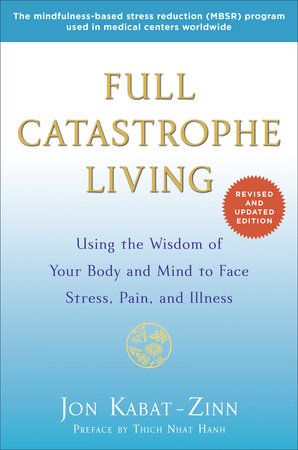
Jon Kabat-Zinn “Full Catastrophe Living”; One Way of Practicing Mindfulness

“One involves the formal discipline of making a specific time in which you stop all activity, assume a special posture, and dwell for some time in moment to moment awareness of the inbreath and the outbreath. By practicing this way regularly, you naturally deepen your ability to keep your attention on the breath for a sustained period of time. This will improve your ability to concentrate in general, as the mind becomes more focused and calmer, less reactive both to its own thoughts and to outside pressures. As you continue practicing, the calmness that comes with just your breathing over a period of time develops a stability of its own and becomes more robust and dependable.”

Passage of the Day: Marguerite de Navarre “The Heptameron”: Love

“Those of you how quickly the fire of love spreads when it starts to smoulder in the heart and in the imagination will understand that once Love enters two such perfect subjects, he never stops until he has rendered them obedient to his commands, until indeed he has filled them so full of his clear light that all their thoughts, all their desires and all their speech are nothing but the blazing forth of his flame. With the timidity of youth, the young lord pursued his desires with the utmost caution. But already the lady was conquered. There was no need of force.”

“Mutantism on the March” :Chapter 36 “Business as Usual in Nicaragua”

Bertie Foonbean, the mutant child of Zeus and Aphrodite, was becoming an increasing embarrassment to the Greek Gods who of course viewed themselves as perfection. Friends of the Greek Gods were increasingly curious as why no invitation for a birth party had been sent out by the Greek Gods in weeks. If only they could locate Squid to get rid off, rather to aide, Bertie.

After his Columbian adventure with Santa Claus and Tarzan Squid decided to head back to his latest home, Montreal but first he would stop in Nicaragua where Santa had told him things were not going well for the population. The natives were in a life and death struggle with foreign entrepreneurs and their man in the capital City of Managua, General Sam Moza.

Santa had told Squid what was happening in Nicaragua was quite similar to what had happened in Columbia. Locals were battling inhumane conditions foistered upon them by gringos ring fenced by a military junta. The junta had assassinated newspaper owners critical of the regime and even progressive Roman Catholic clerics. The country was being strangled by foreign investment mostly for its mineral wealth. Starvation was not uncommon in the barrios while the leaders of the junta and their foreign lackies enjoyed a lavish lifestyle. The junta would spare no expense in silencing opposition being well compensated by the gringos. Sam Moza, a Westpoint graduate, was a brutal machine crushing opposition with his paramilitary force The National Lard led by American trained officers but comprised of opportunistic lumpenproletarian equipped with the finest American weaponry.

As the Yankee corporations gorged themselves with mineral deposits Nicaraguans were becoming increasingly marginalized. Again, as in Columbia, the gringos were harping on the benefits of foreign investment as it brought jobs and created more capital to be invested in the country. But they neglected to say it was the gringos that would direct economic development and that this capital disappeared into gringo banks. The jobs created were few and paid little. For example we look at the case of Enrico Zorro who owned a small brewery and needed some capital to modernize but as two large American breweries had opened up in Nicaragua the local banks considered him a risk. Apparently the hearty beer Enrico brewed was no match for the fizzy swill the Yankees sold and promoted ceaselessly. Enrico declared bankruptcy.

Starvation of capital was bad for it impeded national development but starvation of the population, which was in full swing, was even more odious as it meant the end of national existence. Multinational agribusiness, the scourge of underdeveloped countries, was thriving in the country.  Local arable land was bought and the food that fed the nation was replaced by pineapple plantations to feed the developed world. This brutal cold machine that ejected farmers gobbling up the most productive land resulting in a fatal reduction of crops that fed the nation. Barley and plantain crops were replaced what could be exported to gringo countries for a good profit. The highly mechanized agriculture wiped out the subsistence and small farmers like flies. This was like the Enclosure Movement in England which was a precondition for the Industrial Revolution.

European Commission’s “Common Vaccination Card” Recommended before COVID-19

Brussels, 26.4.2018
COM(2018) 244 final
2018/0115 (NLE)
Proposal for a
COUNCIL RECOMMENDATION
on Strengthened Cooperation against Vaccine Preventable Diseases
{SWD(2018) 149 final}
EN 1 EN
EXPLANATORY MEMORANDUM

  1. CONTEXT OF THE PROPOSAL
    • Reasons for and objectives of the proposal
    Vaccination is one of the greatest successes of medicine. Vaccination saves lives,
    protects our societies, reduces illness and contributes to longer life expectancy.
    Before vaccines existed, many children would die young, or become crippled for life.
    Vaccination has led to the eradication of smallpox, near elimination of polio and has
    prevented countless deaths from many other diseases such as measles, diphtheria and
    meningitis.
    Worldwide, every year, vaccination prevents 2.7 million people from contracting
    measles, 2 million from getting neonatal tetanus, and 1 million from getting
    pertussis. In Europe, seasonal influenza vaccination prevents around 2 million people
    from getting influenza each year.
    And yet, as mentioned in the President Juncker State of the Union speech of 13
    September 2017, today, in the European Union, children are still dying from diseases
    such as measles that can easily be prevented with vaccines. This is unacceptable.
    Vaccination programmes have become increasingly fragile; in the face of low uptake
    of vaccines, vaccine hesitancy, the increasing cost of new vaccines and shortages in
    vaccine production and supply in Europe.
    This proposal is a call for joint action to increase vaccination coverage and to ensure
    that everybody in the European Union has access to vaccination bridging inequalities
    and gaps in immunisation. The genuine questions and doubts surrounding
    vaccination, expressed by citizens throughout Europe, signal the urgent need for
    Member States and the health community to recognise and respond accordingly. This
    proposal is a concerted effort to respond to such concerns.
    Several EU Member States and neighbouring countries are currently facing
    unprecedented outbreaks of vaccine-preventable diseases, due to insufficient
    vaccination coverage. In 2017 alone, in the EU, over 14,000 people contracted
    measles – more than three times the number reported in 2016. In the past two years,
    50 persons died due to measles and two due to diphtheria. Europe is failing to
    eliminate measles in line with agreed WHO targets.
    The risk of poliovirus reintroduction in the EU persists, putting the Union’s polio-free
    status at risk. Seasonal influenza vaccination coverage rates remain significantly
    below the 75% coverage target for older age groups set out by the 2009 Council
    Recommendation on seasonal influenza vaccination. In fact, seasonal influenza
    vaccination coverage in older age groups has decreased in the past few years in the
    majority of EU Member States.
    While national vaccination programmes are planned, organised, and conducted
    differently across Member States, all EU countries are grappling with these common
    challenges: declining coverage, supply shortages and growing vaccine hesitancy.
    There are several drivers contributing to low levels of vaccine coverage and
    preventable immunisation gaps:
    Vaccine hesitancy and waning confidence. Misconceptions about vaccination have
    shifted the public focus away from the benefits of vaccination, towards a distrust in
    EN 2 EN
    science and fear of possible side effects. There are a number of factors at play in this
    increased reticence: a lack of reliable information and, in some cases, distrust in the
    providers of available information; a lower acceptance of any potential risks
    associated with vaccines administered to healthy persons (in particular children); a
    lack of understanding on the individual versus community benefits of vaccination;
    and media controversies on vaccine safety fuelled by misinformation. As vaccinepreventable diseases have decreased thanks to routine vaccination in the past,
    citizens are not sufficiently aware of the vital role of vaccination in saving lives and
    the risks of nonvaccination.
    Vaccination policies and programmes vary considerably between countries regarding
    the selection of vaccines, type of vaccine used, number of doses administered, and
    timing. This variance between Member States is often due to social, economic, or
    historical factors, or simply due to how the healthcare system is organised at national
    level. However, such variances across countries have added to a perception of
    diverging opinions on the vaccines themselves, which in turn contributes to the
    growing levels of vaccine hesitancy. The rapid spread of disinformation through
    online media and vocal vaccine deniers has also fuelled misconceptions. In addition,
    given such differences in national vaccination schedules, citizens who live in a
    number of EU Member States throughout their lives face difficulties in
    understanding which vaccine to take when, which can result in children not taking all
    the vaccines they need.
    A number of countries are also facing vaccine shortages due to both supply and
    demand issues. There is an industry disinvestment in vaccines in the EU, allegedly
    due to a fragmented and partially unpredictable demand. In addition, legal difficulties
    persist in sharing vaccines across borders in case of crisis. At the same time,
    production capacity is limited by long lead times; procurement processes remain
    cumbersome and inefficient and the lack of forecast planning coupled with the
    variance of vaccination schedules render the demand unpredictable. Changes in the
    demography of the target population due to migration and ageing are further
    hampering accurate forecast planning.
    As a result, some Member States are experiencing problems with vaccines
    availability or face high costs of vaccines – which in turn means that national
    stockpiles are often not available or limited in scope. In this context, if a Member
    State is not able to control an outbreak on its own, in the absence of European cooperation in this area, such outbreak is likely to spread across borders to other
    Member states, putting citizens’ health and security at risk throughout the Union.
    There are also challenges related to research and development of vaccines.
    Substantial financial investment and expertise is needed for the development of new
    innovative vaccines and the improvement or adaptation of existing ones (e.g.
    improved safety profile, adaptation to different ages, risk groups or pathogens),
    which makes research and development much more complex, costly and risky.
    Finally, on the resource side, there are constraints linked to public financing.
    Vaccination currently represents a minor fraction of prevention budgets in EU
    countries, accounting for up to 0.5% of the healthcare budgets and there is evidence
    that spending is further decreasing. Spending on vaccination should be regarded as
    an essential and smart investment in health, given its broader economic impact and
    societal value.
    EN 3 EN
    This Council Recommendation, is aimed at strengthening cooperation and
    coordination between EU countries, industry and other relevant stakeholders to help
    increase vaccination coverage, foster the possibility of alignment of vaccination
    schedules across the EU, promote vaccine acceptance, support vaccine research and
    development and strengthen vaccine supply, procurement and stock management,
    including in cases of emergency. These activities should ultimately decrease the
    incidence of vaccine preventable diseases and increase the health prospects of
    European citizens, and improve health security in the European Union as a whole.
    The proposal sets out recommendations to the Member States, joint actions by the
    Member States and the Commission, and welcomes the Commission’s intention to
    carry our a number of initiatives, taking into account ongoing UN and other global
    health initiatives.
    The Recommendation envisages a possibility of establishing a European Vaccine
    Information Sharing System with a view to developing guidelines on a EU
    common vaccination schedule, an EU vaccination card and a web-portal with
    reliable updated information on the benefits and safety of vaccinations.
    Providing possible options towards developing a common EU vaccination card
    would ensure the continuty of immunisation when citizens, in particular children,
    move from one Member State to another. Currently, the wide variety in vaccination
    schedules and recording poses practical issues for effectively tracking, monitoring
    and documenting immunisation history, as well as for communication between
    different vaccine providers
    within and across countries. Key issues include:
    vaccination documentation in national language only; issues around recalling
    whether vaccinations were given and which doses; lack of recognition and ability to
    continue an immunisation series already initiated in the country of origin, especially
    if the child is in the middle of a vaccination course that is part of the schedule of the
    country of origin but not of the country of destination. A common EU card with an
    agreed core set of information for each vaccination could facilitate interpretation of
    vaccination records, facilitate movement of citizens and lower barriers to vaccination
    while providing both citizens and health providers with the relevant information they
    need to ensure that citizens are immunised against vaccine preventable diseases
    . In
    the 2009 Commission stakeholder consultation on childhood vaccination, 87% of the
    respondents were positive towards having a common EU vaccination card.
    The Recommendation further advocates creating a virtual data warehouse of
    vaccine needs and stocks which could enable Member States and the Commission
    to identify available stocks of vaccines in cases of outbreaks or severe shortages and
    to mutually exchange the surpluses. In addition, it envisages identifying the options
    for a physical stockpile of vaccines to be available in cases of serious outbreaks or
    global shortages. Furthermore, it foresees a Coalition for Vaccination bringing
    together representatives of healthcare workers associations and relevant student
    associations to commit to increasing vaccination coverage in Europe.
    The proposed identification of options for a possible vaccine stockpile stems from
    the fact that many EU Member States are experiencing shortages of routine vaccines.
    Each Member State needs to have preparedness plans in place and hence the
    Recommendation calls for improving forecasting processes. To assist Member States
    in covering short term shortages as a result of, for example, disease outbreaks,
    underestimating stocks or manufaturing disruptions or extraordinary events, such as
    an influx of migrants, a concerted EU assistance would be very beneficial. A 2015
    EN 4 EN
    risk assessment report on vaccine shortages by the European Centre for Disease
    Prevention and Control concludes that vaccine shortages in the EU/EEA appeared to
    be more significant than in the past and concluded it is advisable for countries to plan
    for stockpiles for routine programmes to avoid disruptions of immunisation in case
    of future shortages. Member States have already requested vaccines from the
    Commission to overcome shortages via the EU Health Security Committee.
    However, the current EU health funding instruments do not enable the procurement
    of vaccines. For this reason, the Commission now plans to work with Member State
    experts and in dialogue with industry to identify options for a stockpile at EU level,
    also taking into account the call by the European Parliament on the Commission and
    the Member States to develop solutions to increase vaccine supply and availability,
    including arrangements for stockpiling vaccines.
    • Consistency with existing policy provisions in the policy area
    The Council Recommendation on vaccination is consistent with, and builds further
    upon, the existing policies in the area of vaccination. The Recommendation will aim
    to set out policy orientations for, and better coordination of, the implementation at
    Member State level of existing policy instruments, including the Council
    recommendation on seasonal influenza vaccination (2009), the Council conclusion
    on childhood immunisation (2011) and the Council conclusions on vaccination as an
    effective tool in public health (2014).
    The Recommendation also takes into account the report on the implementation of
    Decision 1082/2013 on serious cross-border threats to health (2015); the report of the
    high-level hearing on the implementation of the Council recommendation on
    seasonal influenza vaccination (2015); the European Court of Auditors Special report
    28/2016 “Dealing with serious cross-border threats to health in the EU” (2016); the
    final report of the SANTE high-level workshop “Seeking new partnerships for EU
    action on vaccination” (May 2017); Joint Procurement Agreement to procure medical
    countermeasures and the objectives of the Joint Action on Vaccination (start 2018),
    co-funded by the Health Programme.
    The Recommendation is consistent with EU actions and policy in the area of
    occupational safety and health and with the principles of the European Pillar of
    Social Rights, especially Principle 10 on health and safety at work and Principle 16
    on universal access to preventative and curative health care.
    • Consistency with other Union policies
    The Recommendation will exploit synergies with related EU actions and policies
    e.g., the Agenda on Security, the 2030 Agenda for Sustainable Development, the
    European One Health Action Plan against Antimicrobial Resistance, the
    Communication on digital transformation of health and care, the Communication on
    online disinformation, current and future EU framework programmes for Research
    and Innovation, and the European Structural and Investment Funds.
  2. LEGAL BASIS, SUBSIDIARITY AND PROPORTIONALITY
    • Legal basis
    A high level of human health protection shall be ensured in the definition and
    implementation of all Union policies and activities as referred to in Article 168(1)
    TFEU. Union action, which shall complement national policies, shall be directed
    EN 5 EN
    towards improving public health, preventing physical and mental illness and disease,
    and obviating sources of danger to physical and mental health.
    In accordance with Article 168(6) TFEU the Council, on a proposal from the
    Commission may adopt recommendations for the purposes of that Article to improve
    public health, in relation to in particular fight against major health scourges,
    monitoring, early warning of, and combating serious cross-border threats to health.
    Vaccine-preventable diseases are considered major health scourges. The Union
    action in the field must respect the responsibilities of the Member States for the
    definition of their health policy and for the organisation and delivery of health
    services and medical care.
    • Subsidiarity (for non-exclusive competence)
    Vaccination programmes are the responsibility of Member States. However, vaccine
    preventable diseases are not confined within national borders. One Member State’s
    immunisation weakness puts at risk the health and security of citizens across the EU,
    and all Member States are facing the vaccination challenges highlighted above. Due
    to the cross-border nature of vaccine-preventable communicable diseases, Member
    States have requested intensified EU level support, and stressed the need for common
    EU action and more coordinated approaches to limit the spread of vaccinepreventable diseases across borders.
    There is clear added value in strengthening cooperation among all relevant sectors at
    EU level, including health authorities, the vaccine industry, research and innovation,
    and healthcare actors. A Council Recommendation requires engagement,
    commitment and endorsement by the Member States. Moreover, Member States are
    broadly united on the benefits of vaccination and a Council Recommendation will
    enable the presentation of a joint EU position reflecting science-based risk
    assessments and risk management, reducing the impact of vaccine hesitancy,
    building public confidence and cooperation and improving the effectiveness of EU
    vaccine research and development. At the same time, it respects Member States
    competence for the definition of their health policy and for the organisation and
    delivery of health services and medical care.
    • Proportionality
    The proportionality principle is fully respected as the recommendations put forward
    are limited to actions within the respective scope and mandates of the European
    institutions and the Member States.
    • Choice of the instrument
    The instrument appropriate for the initiative is a Council Recommendation,
    providing guidance to Member States on how to strengthen cooperation, improve
    vaccination coverage, and as a result, reduce the impact and severity of vaccinepreventable diseases.
    The Recommendation allows the EU level and the Member States to work further
    together to address the different dimensions of the problem at the appropriate level.
    The key added value of a Recommendation is to call for action and galvanise
    political support to reboost policies and actions on vaccination and immunisation in
    Europe. This focused approach will provide the necessary political visibility, raise
    awareness and build momentum. Concerted efforts are needed from all Member
    EN 6 EN
    States and stakeholders to boost vaccine coverage, reduce immunisation gaps and
    increase confidence and trust in vaccination.
  3. RESULTS OF EX-POST EVALUATIONS, STAKEHOLDER
    CONSULTATIONS AND IMPACT ASSESSMENTS
    • Stakeholder consultations
    Several stakeholder consultations have been conducted to inform this initiative over
    the course of 2017 and in early 2018. This included an open public consultation and
    targeted meetings with representatives of Member States through the Health Policy
    Platform.
    Specifically, a public consultation took place between 21 December 2017 and 15
    March 2018, during which 8,984 responses were received1
    .
    A stakeholder consultation took place in January and February 2018, with 33
    responses to a questionnaire and six targeted meetings with healthcare professionals
    associations, international organisations, non-governmental organisations working on
    public health, the scientific community and the vaccine industry.
    There was a clear call for more transparent and easily accessible information on
    vaccination in general and in particular on the safety and potential side effects of
    different vaccines. The pivotal role of healthcare workers in explaining vaccination
    to their patients was highlighted whilst at the same time the need for more emphasis
    on vaccination in medical curricula and continued professional training was
    mentioned. There was also broad agreement that vaccination should be offered in
    different settings and that there is a need to simplify the process.
    The consultations carried out showed that there is a high degree of Member States
    interest in more EU-level action on this issue, while also showing the extent of the
    concerns expresed by those who refuse or who are reluctant to accept vaccination as
    well as who oppose mandatory vaccination in some societal groups.
    • Collection and use of expertise
    The Recommendation relies on a thorough scientific basis and expertise, a review of
    established scientific consensus, an analysis of current vaccination trends derived
    from comparative data, and the results of a public and stakeholder consultation.
    The collaboration with international expert groups, such as the World Health
    Organisation’s Strategic Advisory Group of Experts on Immunization (SAGE) and
    the European Technical Advisory Group of Experts on Immunization (ETAGE), and
    the Global Health Security Initiative and Agenda processes has added to the EU
    expertise.
    • Impact assessment
    No impact assessment is needed for this initiative as it will not introduce new
    regulatory requirements beyond what already provided or planned through relevant
    existing policy instruments.

1
https://ec.europa.eu/info/consultations/open-public-consultation-strengthened-cooperation-against-vaccine-preventable-diseases_en; Commission
Staff Working Document. Synopsis Report Accompanying the Council recommendation on Strengthened Cooperation against Vaccine Preventable
Diseases
EN 7 EN
• Regulatory fitness and simplification
Some key expected impacts stemming from this Recommendation would be
improved coordination within and among Member States and simplified monitoring
and reporting criteria for vaccination and vaccine-preventable diseases.
• Fundamental rights
The initiative strengthens the entitlement of the European citizens to preventive and
curative health care of good quality, as enshrined in the European Pillar of Social
Rights.

  1. BUDGETARY IMPLICATIONS
    This Recommendation has no direct financial implications to the EU budget. All
    work related to Recommendations aimed at the Commission will be carried out
    within existing resources.
  2. OTHER ELEMENTS
    • Implementation plans and monitoring, evaluation and reporting arrangements
    The Commission would monitor implementation in the Member States and review
    the Recommendation in cooperation with the Member States and after consulting the
    concerned stakeholders, ensuring a sufficiently long period to evaluate the effects of
    the initiative after it has been fully implemented. The effectiveness of the
    Recommendation could be measured on the basis of existing and new data and of
    information gathered through Member States’ reporting.
    At the same time, one of the current impediments to a comparative evaluation of
    European protection against these diseases is the absence of standardized tracking
    criteria. More standardized criteria is needed to encourage Member States to collect
    and publish reliable – and comparable – statistics on vaccination.
    • Detailed explanation of the specific provisions of the proposal
    Points # 1 to 9 of the Recommendation are for the consideration of the Member
    States, aim to accelerate the development and implementation of national vaccine
    action plans to meet the goals and targets of the World Health Organization’s
    European vaccine action plan. There is also specific emphasis on measles
    vaccination given the current outbreak in Europe. The proposal recognises the need
    to simplify and broaden the opportunities for vaccination and for targeted outreach
    towards vulnerable groups in order to close immunity gaps. The proposal calls for
    educational authorities to strengthen vaccination training in medical curricula and
    continuous medical training for all health workers. It further highlights the need for
    increased communication and awareness raising activities on the benefits of
    vaccination. Exploiting the synergies with eHealth and digital technologies to
    establish electronic vaccination records for all citizens is also an important element
    of the proposal that would be included into the information exchange between
    healthcare providers across borders in the context of the work of the eHealth
    Network.
    Points # 10 to 16 concern actions that the Commission intends to undertake in close
    cooperation with Member States and include aiming at establishing a European
    Vaccination Information Sharing system which could bring together related
    EN 8 EN
    vaccination information and expertise together with the national public health
    authorities. Under this system, various stakeholders could come together to develop
    guidelines for a possible core EU vaccination schedule, share common
    methodologies for monitoring coverage, and launch a web portal with transparent
    evidence on vaccines benefit and risks including tracking vaccine myths and
    misinformation. The proposal also highlights the need to strengthen the effectiveness
    of the exisiting Directive2
    on health and safety at work which guarantees that health
    workers are vaccinated against specific diseases.
    Finally, to address shortages and increase supply, the proposal puts forward the idea
    of creating a virtual data warehouse for Europe on vaccine needs and stocks
    and a mechanism for mutual exchange of vaccines among Member States;
    identification of options for a physical vaccine stockpile in case of outbreaks or
    global shortages of vaccines and envisages working with industry and other
    stakeholders to improve EU manufacturing capacity of vaccines.
    Points # 17 to 25 welcome the Commission’s intention to carry out a number of
    activities including presenting options for a common EU vaccination card with
    standardised information on vaccination history; presenting a report on the State of
    Vaccine Confidence in the EU is requested in addition to actions to better understand
    the barriers and increase access to vaccination for disadvantaged and socially
    excluded groups; convening a Coalition for Vaccination with associations of
    European healthcare workers and relevant student associations aimed at promoting
    vaccination and strengthening partnerships and collaboration on vaccination with
    international partners is another important element of this propsoal.