Toronto Hot Docs 2025: “We Live Here”: Nuclear Cruelty: Criminal Negligence or is it State Manslaughter?

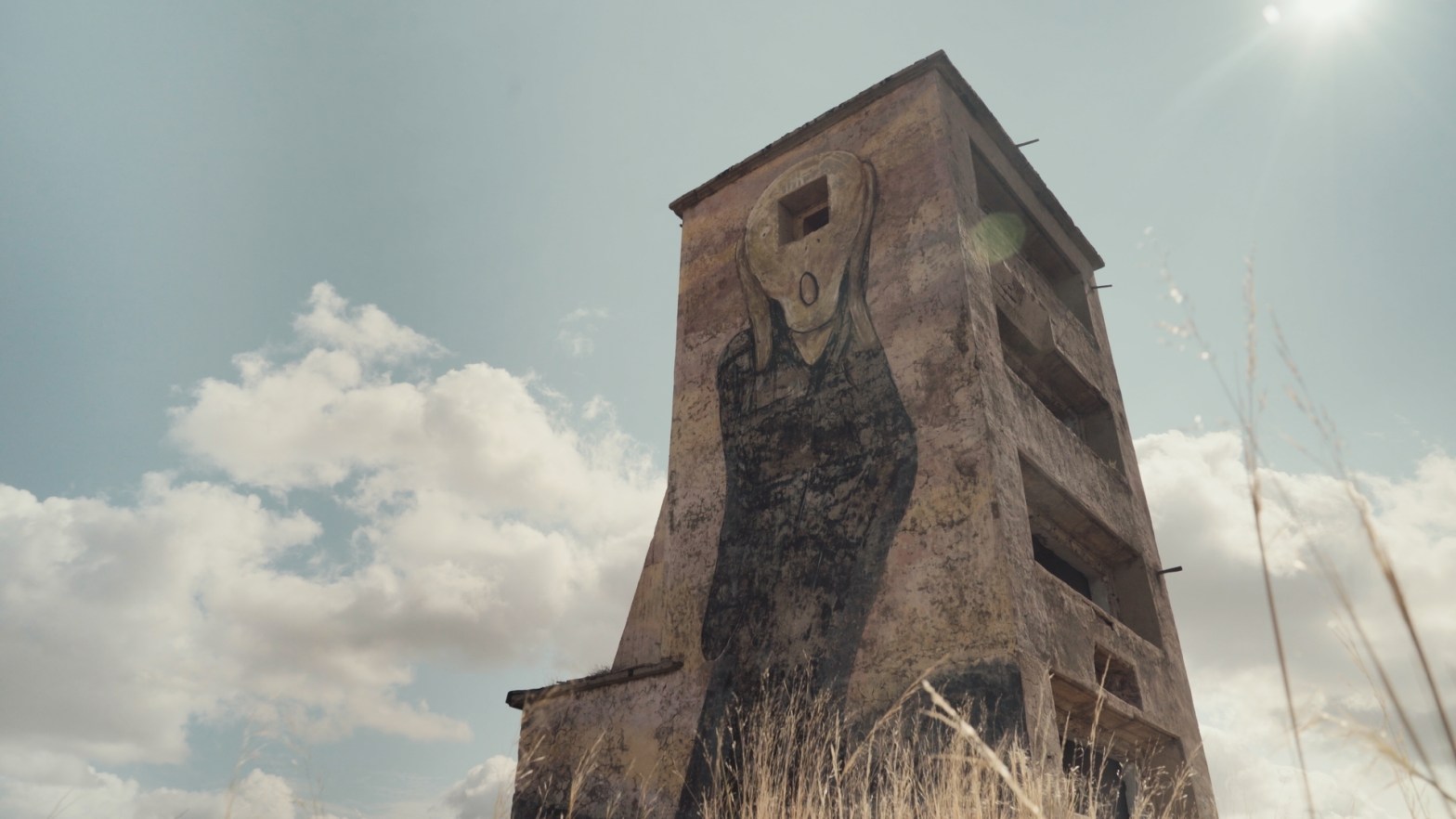
The Kazakhstani documentary “We Live Here” unravels a story of criminal negligence or is it state manslaughter?

Between 1949-1991 over 456 nuclear tests were conducted by the USSR in a test site area on the Kazakhstani steppes covering an area of 18,300 square kilometers, roughly the size of Israel. Open air testing ceased in 1963 but continued until ended in 1991 by presidential decree and the fall of the U.S.S.R.

We hear from a few of its 1,500,000 victims who have lost family members and friends or are in the process of losing 3rd and 4th generation family members to radioactive caused illness. The scientists conduct frequent testing and the radioactive danger remains. It will take the plutonium some 24,440 years to decay.

There has been no governmental cleanup, resettlement, compensation or cordoning off severely contaminated areas. Cattle and horses continue to graze and crops continue to be cultivated on contaminated soil further condemning consumers of meat and dairy products to a shorter life span.

The story is beyond sorrowful and disgraceful and should be condemned as state criminal negligence as a minimum if not manslaughter. The establishment of negligence requires Russia as successor in title to the U.S.S.R. and Kazakhstan to have had a duty of care to the victims, failure to maintain that standard of care and as a result the victims suffered harm which is clearly the case here. The extent of the negligence is clearly criminal.

A very well paced documentary with gaps in dialogue where cattle and horses grazing, twisted wreckage, pockmarked landscape and grieving parents silently suggest the horror. Unfortunately there is no exploration of the responsibility, if any, Russia has taken for this historical and much unknown blot of callousness staining humanity.

The North American premiere of “We Live Here” is at Toronto Hot Docs 2/4May2025.

A documentary by Zhanana Kurmasheva.

RKS 2025 Documentary Rating 76/100.  

Toronto 2025 HOT DOCS: “Ultras”: Familial Football Fanaticism of Stadium Schizophrenics  

“Ultras” explores rather fittingly the culture of Ultras in 8 countries and 4 continents including England, Sweden, Italy, Morocco, Indonesia, Egypt, Mexico and Argentina.  

Ultras are those noisy, swaying, boisterous and vociferous masses at football games. Are they suffering from Stadium Schizophrenia? Masses of the life weary, battered by ordinary cares and problems until they join their fellow Ultras in the stadium and become ensconced in the comfort of familial fanaticism.

A common global theme of the Ultras as recounted by the Ultras in the documentary is feeling like part of a family where ordinary cares of life are temporarily thrust aside with Ultras caring for each other in an imaginary familial web. They enter a different reality.

They are youthful and almost exclusively men fuelled by pride and litres of beer although the intoxication may be tribally induced more than through alcohol.

If there is one line of ultra significance it is from a Swedish Ultra stating Ultras make you more than a spectator. You become part of the match and in many ways “bigger than what happens on the pitch”.

You must have seen them on the telly in the stands unfurling massive tifos, singing and waving their hands in choregraphed fashion. But you may have seen and watched on the news the occasional violence of soccer fans but are they Ultras or legless lager lout hooligans manipulating high emotions?

As Ultras are young men in a macho movement some feel they represent a threat to the political order and police “control” is no more than provocation justifying police repression. Is it, as in Morocco where poverty, lack of housing and poor medical care a breeding ground for anti-power structure anger?

We have professional football in North America but it is distant and marginal compared to North American football, hockey and baseball. The documentary should be of keen interest to North American audiences who will be well rewarded with “Ultras” making its North American premiere at Toronto Hot Docs on 30April and 1May2025.

It is a story solely from the mouths of the Ultras and your conclusion may be Ultras transcend being a football fan. It is far deeper than that simplicity. It is a way of life founded in alienation, loneliness and powerlessness. Being an Ultra makes its cadres feel as if they are somebodies in some societies treating them as nobodies and treats them as such. Their fanaticism, marching, singing and costuming (particularly in Poland) has a chilling analogy to Hitler rallies.

This Swedish, Finnish and Danish 89-minute documentary is by Ragnhild Ekner.

RKS 2025 Documentary Film Rating 77/100.

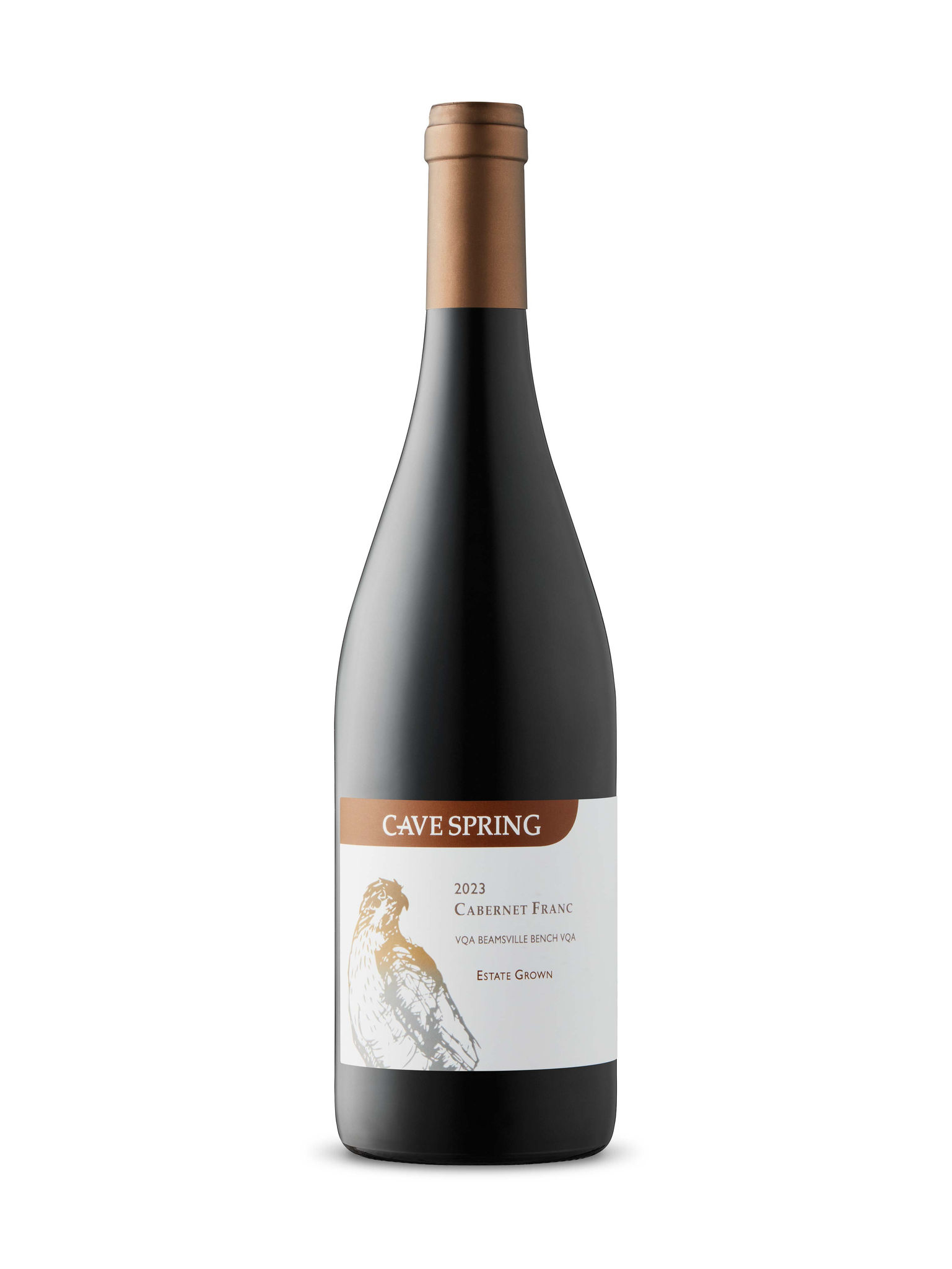
RKS 2025 CANADIAN Wine: Cave Spring 2023 Cabernet Franc

The wine originates from the Cave Spring Vineyard on a hillside of the Niagara Escarpment known as the Beamsville Bench. The grapes are grown at 410-510ft.

The soil the grapes were grown in is composed primarily of limestone and dolostone mixed with sandstone, shale and traces of granite.

Fermentation with indigenous yeast.

Aged 14 months, 75% in 225L neutral oak, 20% in 500L neutral oak and 5% in new 225L French oak.

Aroma: Black cherry, blackberry, cassis, strawberry and raspberry. Immediately approachable.

Palate: Medium bodied. Initial mouthfeel of tannins moderate and intensify slowly through and around the palate imparting a long and lingering finish. Cherry strudel pulsating at the mid finish and intensifies after that. A certain grittiness and friction on the palate perhaps due to the sandstone/shale bedrock. All said and done a firm and solid wine with a definite connection to the earth. Excellent in structure and better suited to consumption with food.

Personality: For Niagara I am a high-altitude wine but I don’t let the lack of oxygen get to my head. No tricks. You get an honest wine from perhaps the most beautiful part of Niagara particularly the Beamsville Bench in the fall, the seasonal fall that is and not the Trumpian tariff inspired dive of global stock markets.

Food Match: Roasted Cornish Hen with sage potatoes or Mushroom Bourguignon.

Cellarbility: Best consumed 2026-2030. Consider decanting one hour before serving if consuming in 2025/26. Will soften as it sleeps.

Price: $21 CDN.

RKS 2025 CANADIAN Wine Rating: 91/100. Christopher Waters 91.

(Cave Spring 2023 Cabernet Franc, VQA Beamsville Bench, Cave Spring Vineyard, Jordan, Ontario, 750 mL, 13.5%).

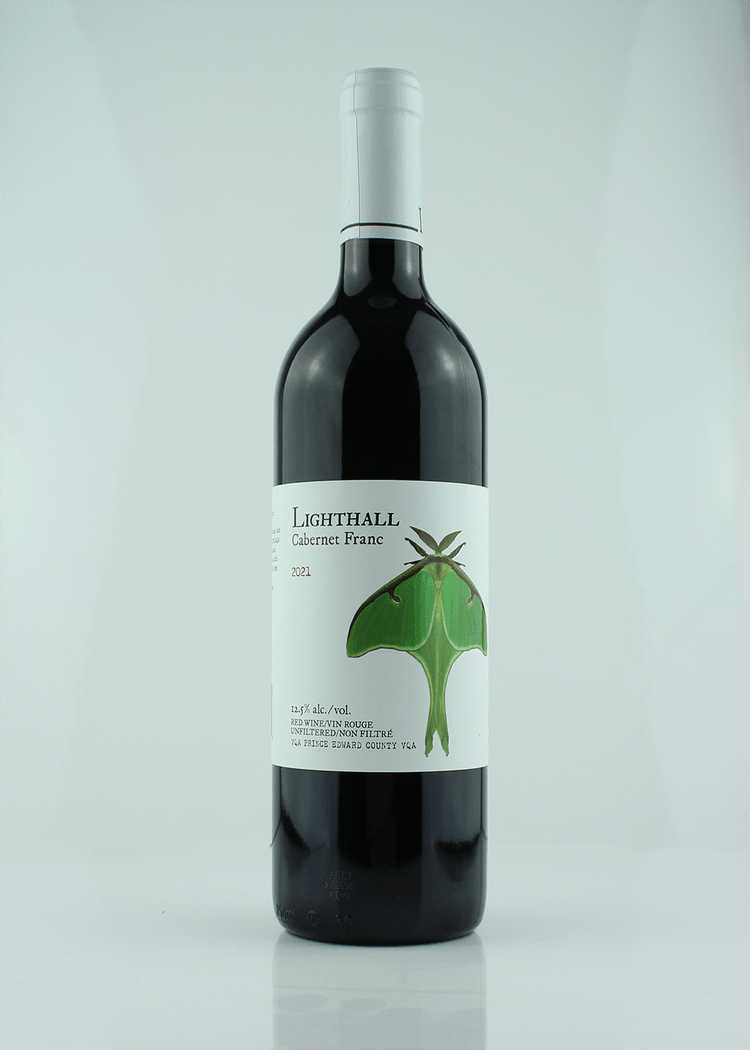
RKS 2025 CANADIAN Wine: Lighthall Cabernet Franc from “The County”

Two or so hours by car from Toronto and you arrive in Prince Edward County affectionately known as “The County”. Bucolic for the most part with cottages for the rich and famous and a few upscale restaurants to fed them. Summer home for business tycoons, judges and lawyers akin to The Hamptons for Torontonians. As a bonus across the river lies the Trenton military airbase and Canadian Tire as a bulwark against any actual as opposed to economic American invasion.

The County is also home to some of Ontario’s leading wineries such as Lighthall Vineyards from which this Cabernet Franc hails from.

Aroma: Loads and loads of black cherry warmed up by deft utilization of oak making it highly approachable and sip worthy. Some blackberry, cherry cola and milk chocolate. After exposure to air for half an hour just a bit of Brett funk but it adds a nuance as opposed to a distraction.

Palate: Toned down fruit on the palate making it a serious wine with embedded fruit happily ensconced in the wine like a journalist covering the Iraq conflict in an armoured Hummer. Mostly delightful black cherry. Gentle acidity and tannins. Moderately long finish.

Personality: I may be from The County home of many farms but I’m no country bumpkin. I am not a pretty boy actor but have great ability so you might compare me to the late Gene Hackman not a lady’s man but a damn fine actor.

Food Match: In Wellington at The County at Drake Devonshire I’d pair with Charred Octopus, endame hummus, crispy potatoes, zucchini, piquillo peppers and aji verde. This Lighthall wine is not on their Ontario starved wine list but they do list a Lighthall Pinot Noir.

Cellarbility: Drink by 2026-year end.

Price: $34.95 CDN.

RKS 2025 CANADIAN Wine Rating: 90/100. Michael Godel-Wine Align 89.

(Lighthall 2021 Cabernet Franc, VQA Prince Edward County, Milford, Ontario, 750 mL, 12.5%).

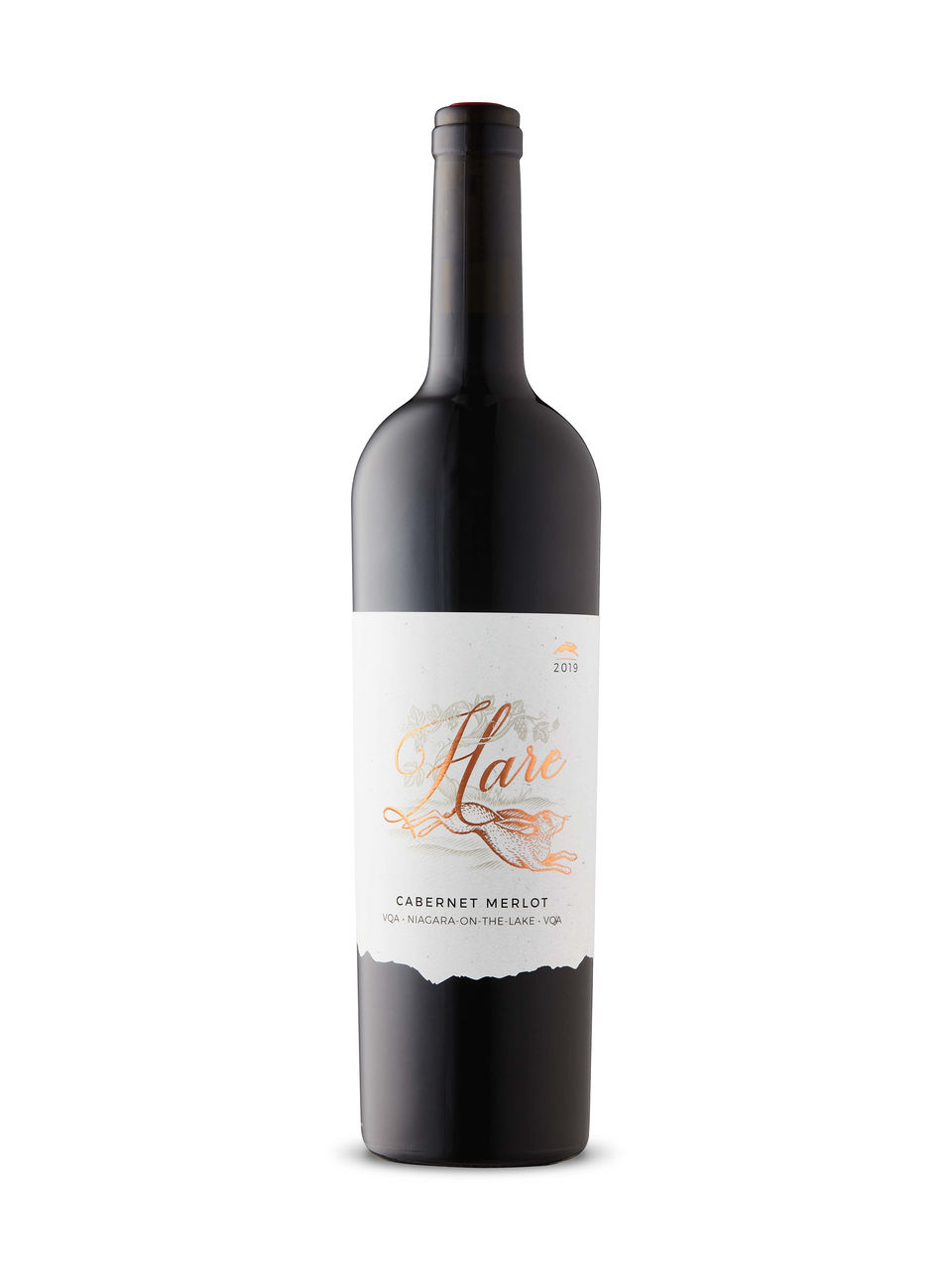
RKS 2025 CANADIAN Wine: Hare Cabernet Merlot from Niagara Ontario: This Hare Got Lost on the Racetrack and Was Beaten by the Snail

For my ex-Canada readers, the Niagara wine region is a couple of hours drive from Toronto God and traffic willing.

Ok I admit the automobile trip from Toronto is shall we say diplomatically, less than inspiring but becomes much more interesting once you clear The Burlington Skyway Bridge and fumes of Hamilton and hit the wine route. If you were planning a trip to the United States like many Canadians you may want to rethink that and visit Niagara!

Yes of course, there is Niagara Falls spectacular indeed but once outside the immediate Falls and you venture into the town of Niagara Falls its tackiness and tawdriness may just want to make you return to the Falls unless of course you want to go mega tacky and fill your stomach at the Flying Saucer Restaurant.

A better choice for any overnight stay would be the more genteel Niagara-on-the-Lake charming Monday-Friday but far less so on weekends. A range of accommodations. Lots to see including wineries, historic sites and the drive to Niagara Falls is a bucolic one with stops to see the spectacular Niagara Gorge. Plenty of restaurants too.

We may cover restaurants, hotels and touristic sites in more detail in later postings but let’s get down to a Hare Cabernet Merlot from the Niagara-on-the-Lake appellation. The bottle is a heavy lifter and not so carbon friendly!

A blend of Ontario star red grape Cabernet Franc (35.6%), Cabernet Sauvignon (35%) and Merlot (29.4%). Aged 18 months in French oak.

Aroma:  Sharp and clean with hyped raspberry on steroids, black cherry, warm blueberry pie and milk chocolate.

Palate: Gentle tannins with ribald acidity detracting from the fruit. Cactus pear, rhubarb, marginally ripe strawberries. Not much of a finish.

Personality: I come with a pricey tag and I get the sense you are disappointed with my structure. If there is anyone to blame don’t give me dirty looks. I am just a created liquid so blame your choice(s) the terroir, the winemaker, the vineyard manager, the blender or the weather or the guy trying this wine!

Food Match: Friday night burger or pizza i.e. you know what I mean.

Cellarbility: If you want to drink this it will not age well.

Price: $37.95 CDN.

RKS 2025 CANADIAN Wine Rating: 64/100. Natalie MacLean Community Wine Score 90.

(Hare 2019 Cabernet Merlot, VQA Niagara-on-the-Lake, The Hare Wine Company, Niagara-on-the-Lake, 750 mL, 13.5%).

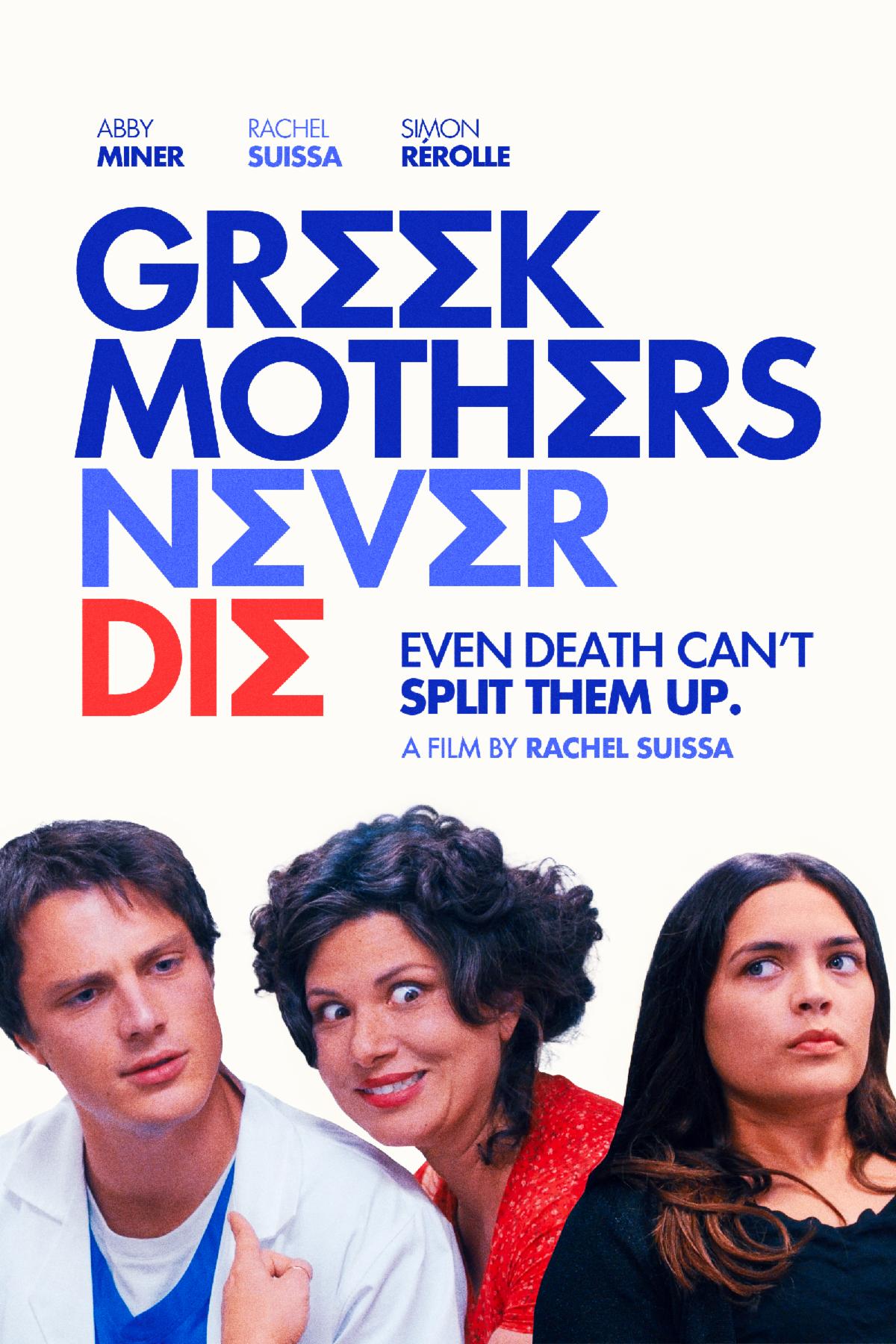
RKS 2025 Film: “Greek Mother’s Never Die”: Authenticity and Stereotypes

Rachel Suissa, writer and director of “Greek Mother’s Never Die”, says the film is a personal journey based on her Greek mother and the happenings in her own life. It started as a one woman show, then a television show and now a movie.

Twenty-five-year-old Ella (Abby Miner) was born in Greece to an American father and Greek mother Despina (Rachel Suissa). After the 2011 economic collapse of Greece, Ella and Despina leave for Amelia Island in Florida with a vibrant but small Greek community where Despina opens a gyro restaurant.

Ella unexpectedly reconnects with Nick a preteen first kiss friend, now a neurosurgeon at a nearby hospital, who had left Greece for the United States years prior to Ella arriving there.

Despina is a controlling, interfering, dramatic and guilt inducing mother all done, in her opinion, for love. An oft used technique for control that has lost its currency, is her ready to die with a heart attack when she is attempting to control a resisting Ella. Being entirely fed up with Despina’s death by heart attack technique Ella calls her bluff saying to her she should go ahead and die which she immediately does inflicting a massive tsunami of guilt to sweep over Ella. Although Despina is no longer, she reappears as a ghost visible only to Ella who talks to her having some questioning her mental fitness particularly neurosurgeon Nick who notices something odd about Ella on clips of a documentary a local film maker is making about Despina’s death.

From that point on it is a romcom with the shy and awkward Ella and rediscovered Nick a neurosurgeon at a local hospital. Sounding a bit like a Harlequin romance novel?

The luncheon scene with Ella having to much ouzo and the pre sex scene with Ella and Nick is hilarious!

A standard romcom with a topsy turvy Bollywoodish ending removing it from a classification as a mundane romcom. Let’s say the chief physician at Nick’s hospital and the gravedigger are not who they appear to be! Keep your eyes on those two.

Suissa leads the cast with a solid and free-spirited performance as a neurotic controlling mother. A typical Greek mother I think not but a mother with the best interests of her daughter in mind! Is there a stereotypical Greek mother? As an aside I was listening to a radio programme the other day with the caller saying at all Greek weddings we Greeks’ smash plates on the ground. I have attended Greek weddings both in Greece and North America and nary a plate was smashed. Classic stereotype being perpetuated.

The constant references by mother Despina to just about everything in life being a harbinger of cancer is tiring as well as the “Ah pa pa” (recited a bit too quickly from the way I customarily hear it). I suppose if you don’t have Windex as in “My Big Fat Greek Wedding” you can replace that with cancer. Some spoofy stereotypes encountered in the film might be eating baklava at any time is good for you as it contains protein and fiber, olive oil being a cure for everything, marriage and childbearing obsession.

While there are some Greek actors in the production with minor roles, other than Suissa as Despina, the Greeklish spoken is very unauthentic although not as bad as in the atrocious Greek spoken by South Africans playing Greek villagers in the dreadful 2021 South African film “The Good Life”. You may not have the ear to detect authentic Greeklish but perhaps that is my keen culturally tuned ear influencing my perception of the film which should not detract you from enjoying the film but it cast a doubt in my mind about authenticity of the characters and perhaps of the entire film. Suissa is the authenticity that imparts necessary credibility to the film.

Again, I say Despina as a “typical” Greek mother is not accurate as they come in all shapes and sizes physically and character wise. I am content with the film being a recounting of Suissa’s experiences with her mother and with that it mind it really delivers. OPA!

Watch the trailer here https://www.youtube.com/watch?v=hcmYP19KAX4

Available On Demand 9May2025.

RKS 2025 Film Rating 78/100.

RKS 2025 Wine: Chilean Wine Consistently Good and Affordable: Good-Bye to Made in America Kraft Dinner!

If you are a follower of the Liquor Control Board of Ontario’s (LCBO) bi-monthly Vintages Catalogue you must have noticed a steady increase in prices in the past two years with wines from Ontario no exception. Chilean prices seem less inclined follow the upward trajectory in price.

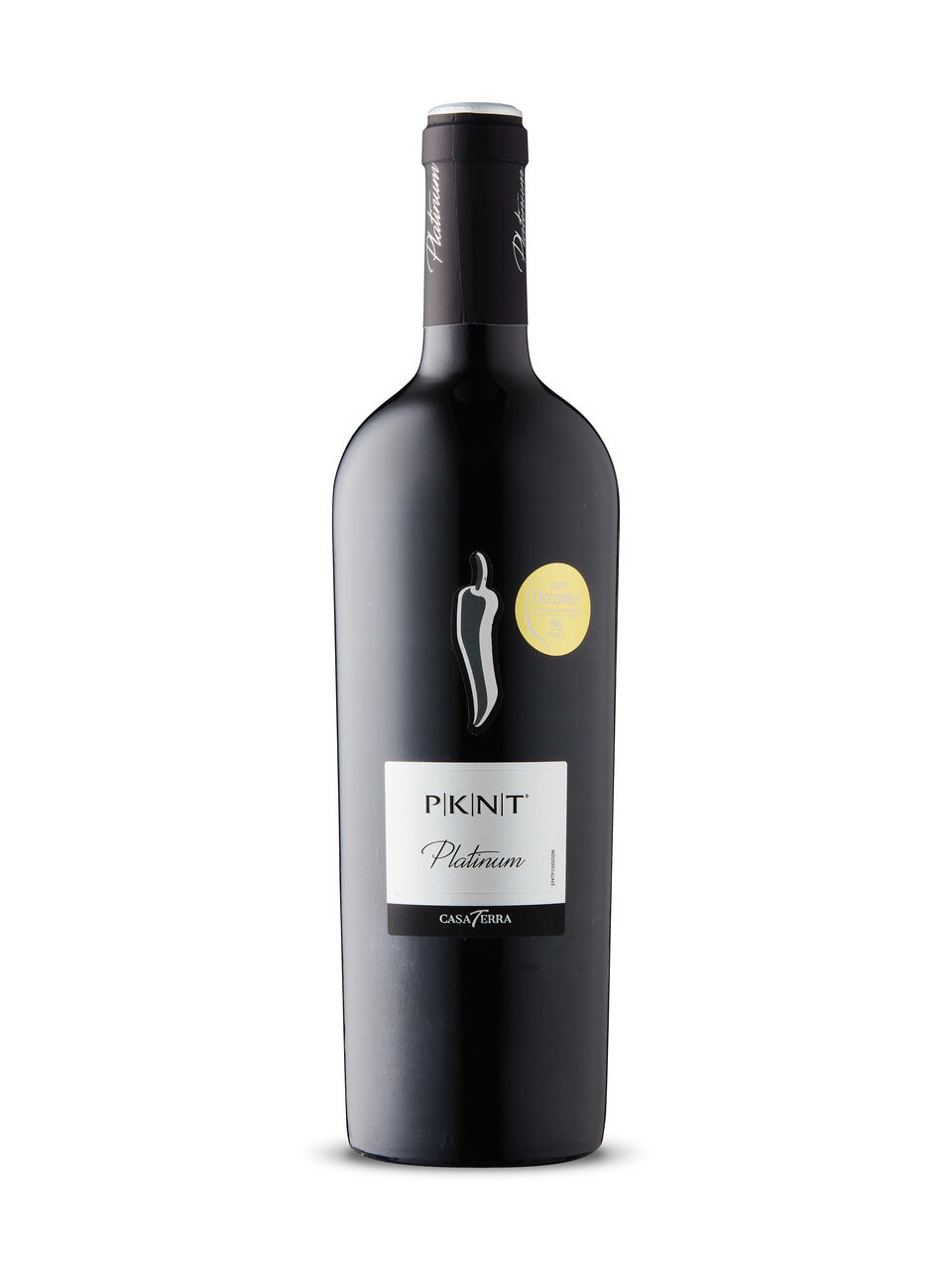
We try a P/K/N/T Platinum 2020 from Casa Terra at $20.95 in a very heavy glass bottle so much so you may have to eat a tin of spinach before opening and lifting it and I refer to Popeye the Sailor Man not Popeye Doyle of ” The French Connection”.

A blend of 85% Cabernet Sauvignon, 5% each of Carmenère, Syrah and Malbec.

Aroma: Bright and clear blueberry, raspberry, black cherry and some minute milk chocolate.

Palate: Very grippy tannins here. Highflying blueberry reminding one of homemade blueberry jam as opposed to the jammier over sugared commercial variety. Faintish blackberry. Moderately long finish.

Personality: Like my big heavy bottle I think of myself as having a forceful personality. But being big I can’t say I am powerful or full bodied but rather middle of the road and quite distant from my smooth drinking Cali cousins you may have been drinking before Trump pissed you off to the extent you no longer drink Cali wine by choice not by the fact American wine may have been pulled off the shelves in your country.

Food Match: Best consumed with food. Udon noodles lightly tossed in a bowl with sesame seed oil, chili crisp, soy sauce and canola oil. No more Made in America Kraft Dinner for us Canadians. This noodle dish can be a substitute and takes about the same time to prepare as KD.

Cellarbility: Would 2 years of ageing de-grip the tannins and let the fruit escape?

RKS 2025 Wine Rating: 89/100. 2020 Decanter World Wine Awards 95. Natalie MacLean community score 91/100.

(Casa Terra 2020 P/K/N/T Platinum, Maule Valley, Casa Terra, Santiago, Chile, 750 mL 14%).

RKS 2025 CANADIAN Documentary: “The Spoils”: Morality Butts Heads with Legality and Political Games

Morality dictates the conclusion to be drawn from the “looting” of art by the Nazis in World War II is such art should be returned to the heirs of the owners the Nazis “stole” it from.

Legality may dictate otherwise due to the civil law doctrine in Germany (and in common law jurisdictions) a purchaser in good faith holding legal title to that property is entitled to maintain legal title unless the sale was under duress. Can a sale of art by Jews under Nazi threats and harassment be a “sale”?

Canadian documentary “The Spoils” is a study on the “stolen art” of German Jew Max Stern (1904-1987) owner of Galerie Stern in the German city of Düsseldorf whose art was “auctioned off” in 1937 at the “Jew auction house” of Lempertz.

The Nazis’ genocidal agenda included cultural obliteration requiring excising Jews from the art world. Stern was ordered to close his gallery by the Nazi bureaucracy and to raise funds to escape Nazi Germany had to sell his vast art collection at Lempertz.

There are many, restitutionalists, who believe in the concept founded in Holocaust morality, stolen art must be restituted to the heirs of owner of the stolen art. They rely on the legal concept of duress to invalidate the “free will” sale of the original owner. They also rely on genocidally based moral grounds to justify the return of such art.

Another school somewhat antagonistic to the beliefs of the restitutionalists relies on the doctrine of the good faith purchaser of stolen art to justify the passing of legal title to the purchaser. Some claim this school simmers with antisemitism.

Both schools battle it out over a planned Max Stern art exhibit at the Dusseldorf City Museum in 2021 which rose from the ashes of a previously last-minute 2018 cancellation of the exhibit by the mayor of Düsseldorf.

The 2021 exhibit was rejected by the Jewish community of Düsseldorf and restitutionalists as bogus and shoddy. The documentary explains the battle in detail. It is hard to fathom the legitimacy and sincerity of such an event given the facts presented in the documentary.

Archival footage of Nazi rallies and of Goering and Hitler as recipients of some of Stern’s art adds an element of authentic drama to the decimation of Nazi genocide and questions the alleged “authenticity” of sales of art by Jews was free will.

Only 25 paintings in 23 years in the Stern collection have been restituted. 400-500 claims are still pending.

From a feature film perspective both the legality and morality aspects of Nazi stolen art are forcefully probed in the 2015 movie “Woman in Gold” starring Helen Mirren and Ryan Reynolds. Both “Woman in Gold” and “The Spoils” should be viewed in tandem.

Here is a clip from “The Spoils” https://drive.google.com/drive/folders/12plMh-enLP072dbkTtqCTKr9ElLQWtAH

Directed and written by Jamie Kastner.

Theatrical release commences in Canada on 4April2025.

RKS 2025 CANADIAN Documentary Rating 88/100.

RKS 2025 CANADIAN Wine: CREW 2018 Grand CREW from the Land Beyond

There is some mighty fine wine being produced in the Lake Erie North Shore appellation in Ontario which the Liquor Control Board of Ontario (LCBO) habitually ignores except for its tokenism in its inventory. Disservice to Ontario vintners and to residents of Ontario. As far as the LCBO treats Lake Erie North Shore it is way out there in the Land Beyond.

Colchester Ridge Estate Winery in Harrow, Ontario has a knack for Cabernet Sauvignon. It was their legendary 2008 Cabernet Sauvignon that “spoke to me” that yes Ontario can produce top notch Cabernet Sauvignons but they are difficult to find.

With high hopes may I introduce you to a 2018 Grand CREW Cabernet Sauvignon? You might want to move fast as 110 cases were made.

Aroma: Blueberry, cassis, blackberry with some dark chocolate.

Palate: Firm tannins in this full-bodied wine. Blueberry, red currant, dried sweetened cranberry with a tiny sour cherry twist early in the long finish. Best consumed with food.

Personality: With many Michigonians visiting me at Colchester Ridge Estate Winery and liking me should I visit President Trump as a goodwill ambassador? But if he treats me like he did Zelensky I’m walking out.

Food Match: Grass Fed Black Angus burger.

Cellarbility: Might soften a bit through 2028. 

Price: $40.

RKS 2025 CANADIAN Wine Rating: 93/100.

(CREW 2018 Grand CREW Cabernet Sauvignon, VQA Lake Erie North Shore, Colchester Ridge Estate Winery, Harrow, Ontario, 750 mL, 14.5%).

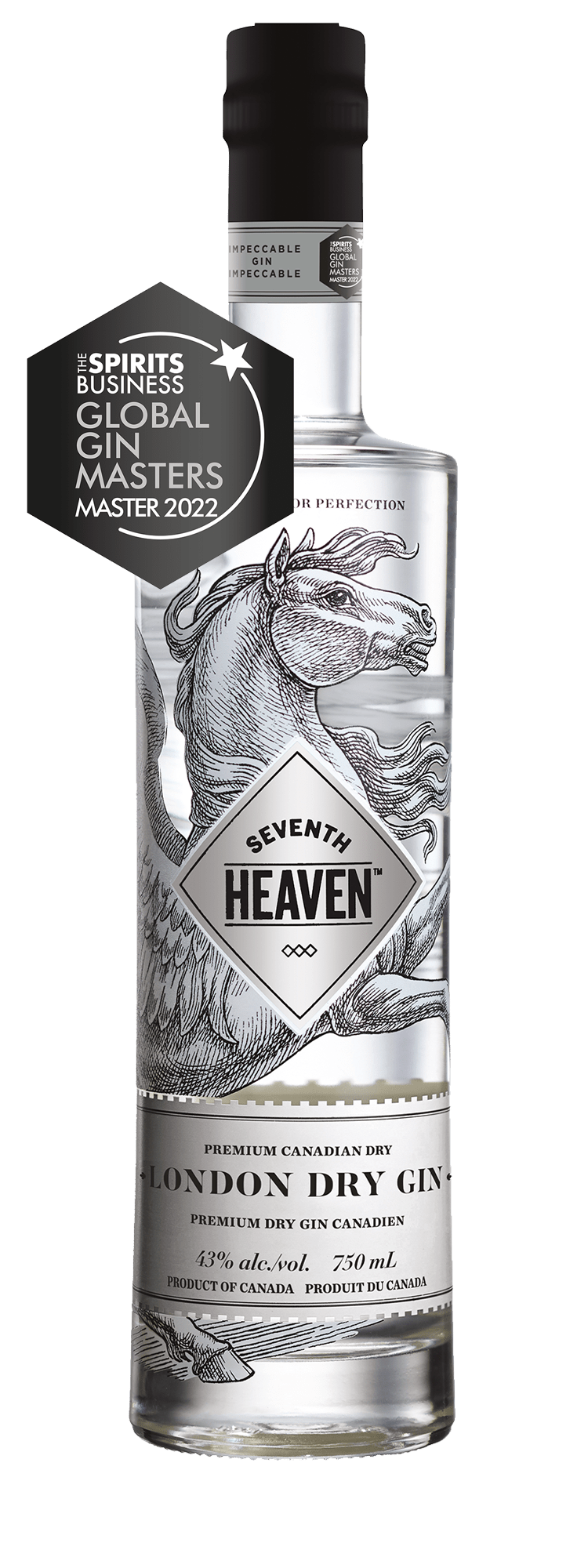
RKS CANADIAN Spirits: Seventh Heaven Premium CANADIAN London Dry Gin

The geographic reference to “London” in London Dry Gin does not mean the gin is distilled in London but rather refers to a particular process how London Dry Gin is made. It requires a neutral base spirit to be distilled to at least 96% ABV. No synthetic botanicals can be used. Post distillation water can be added but only a very small amount of sugar.

Seven botanicals are used in Seventh Heaven: Forbidden Fruit, Elderflower, Labrador Tea, Apricot Almonds, Nordic Juniper Berries, Coriander Seeds and Orris Flower Root.

On the plate tight and complex, creamy, spicy with white pepper, charcoal and licorice. Impeccable integration of alcohol with a long finish.

Use in Gin and Tonic or in a Martini and you can’t go off the rails. But enjoy ice cold neat or over ice too in which case 3-year-old Canadian cheddar suits it to a tee.

(Seventh Heaven Premium Canadian London Dry Gin, Seventh Heaven, Montreal, Quebec, 750 mL, 43%, $38 CDN).