RKS Korean Film: “The World Before”: Anything Here Deeper Than a South Korean Teen Romance Flick?

For most of the film one may be left with an impression it is yet another “teen romance” movie with puppy love oozing ubiquitously over the screen.

Yes, there is a strong puerile streak to the film but it contains a message that the world today is not what it was yesterday. But is that message deep or somewhat transparent and shallow?

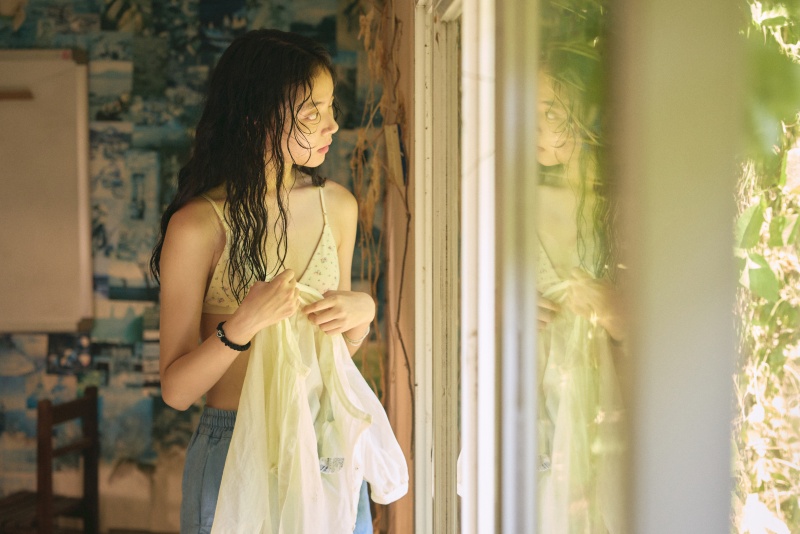
Seventeen-year-old Jin (Sim-Su-bin) lives in a small South Korean island fishing village with her parents and younger sister. It is a strong closely knit family and Jin is the perfect teen daughter.

Dujae (Kim Eo-jin) returns from Seoul to the village for the funeral of his grandmother where he reconnects with Jin not having seen her for five years. Dujae’s mother, Sunhee, has not been seen for years rumoured to have absconded with some of the villager’s money. Not from a strong family indeed.

You guessed it; a “romance” develops between Jin and Dujae with the romance solely in Jin’s mind. Jin gradually becomes “hot to trot” and a bit belligerent in her pursuit of Dujae. Clearly he is not interested. With her sexual interest steamed up tinged with jealously of a best friend “rival” her world is rapidly changing.

That is not the only facet of life in the village changing. There are now “foreigners” living in the village. South Korea is a changing. It’s a new world!

Even late grannies’ diary speaks of a time of arranged marriages with her husband never once saying he loved her. Love marriages are the norm in South Korea now. Granny was from a world before.

Jin’s love is not returned by Dujae and the poor girl is shattered but not before showing true compassion for poor Dujae whose embezzler mother, Sunhee, has suddenly reappeared in the village. Sunhee reminisces with her sister briefly about the good old days of their youth in a previous world.

There is nothing remarkable about the plot and the soundtrack is ruinously sugary. What shines is the performance of Sim-Su-bin displaying remarkable range of innocence, poutiness, jealousy, grief and bullying.

“The World Before” is directed by Yoon Dun-bi and premiered at September’s Toronto International Film Festival and most recently at the San Sebastian Film Festival.

RKS Korean Film Rating 61/100.
RKS Literature: The Hungry Cannibals (Joseph Conrad)

Yes; I looked at them as you would on any human being, with a curiosity of their impulses, motives, capacities, weaknesses, when brought to the test of an inexorable physical necessity. Restraint! What possible restraint? Was it superstition, disgust, patience, fear-or some kind of primitive honour? No fear can stand up to hunger, no patience can wear it out, disgust simply does not exist where hunger is; and as to superstition, beliefs, and what you may call principles, they are less than a chaff on the breeze. Don’t you know the devilry of lingering starvation, its exasperating torment, its black thoughts, its sombre and brooding ferocity? Well, I do. It takes a man all of his inborn strength to fight hunger properly. It’s really easier to face bereavement, dishonour, and the perdition of one’s soul-than this kind of prolonged hunger.

Joseph Conrad, “Heart of Darkness”, 1899

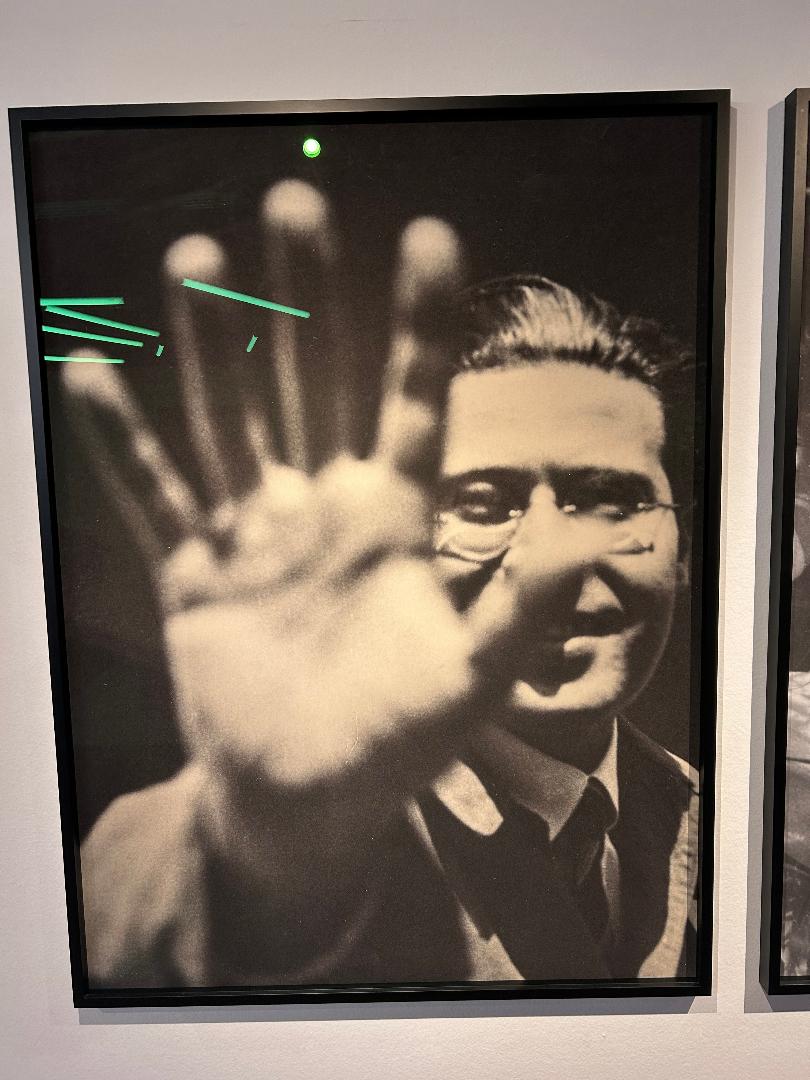
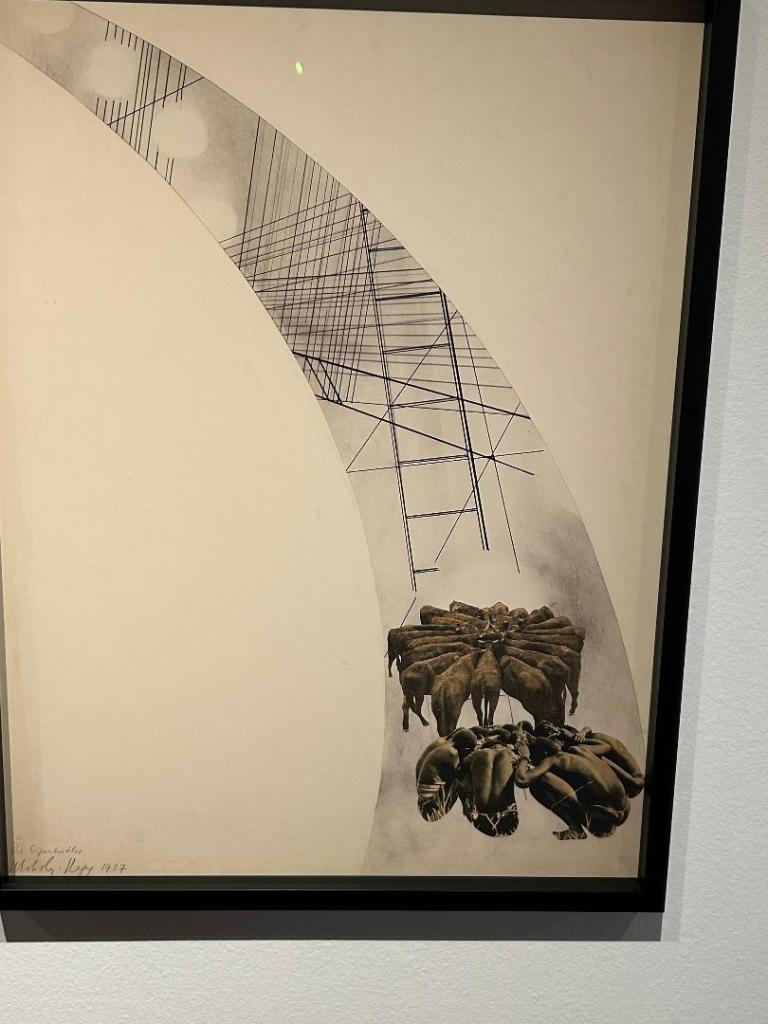
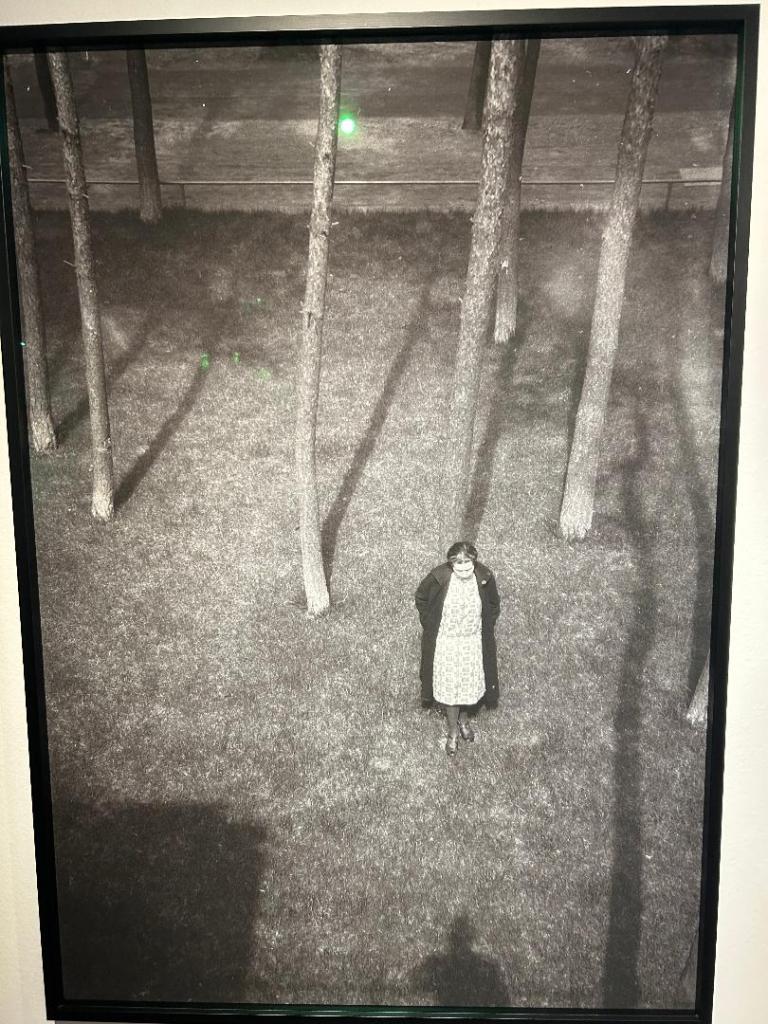
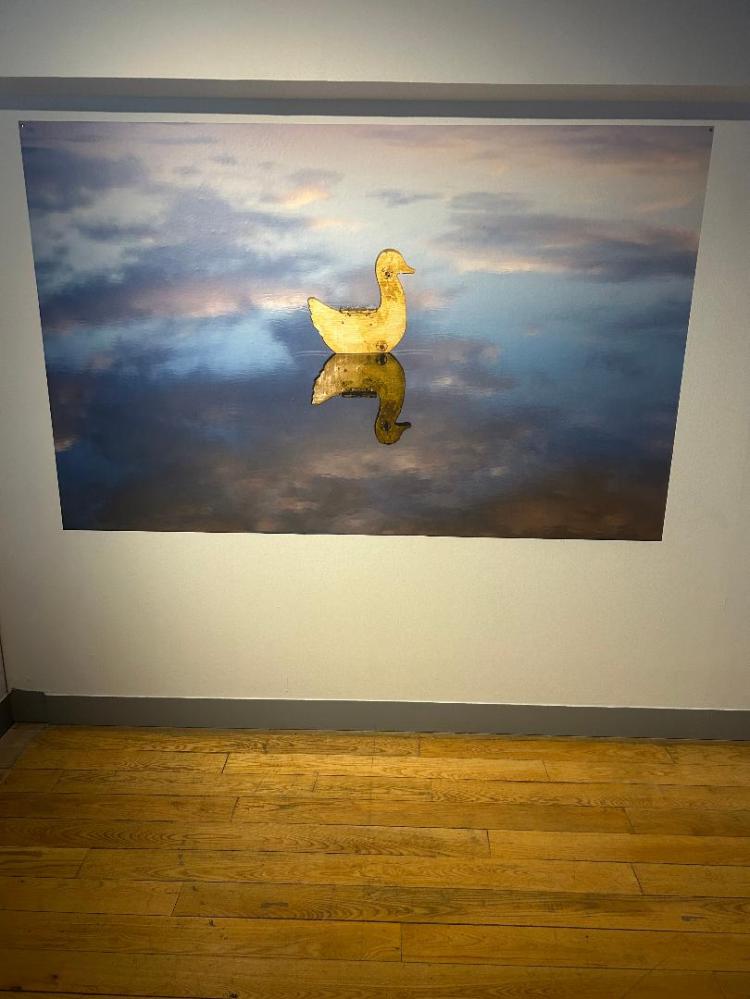
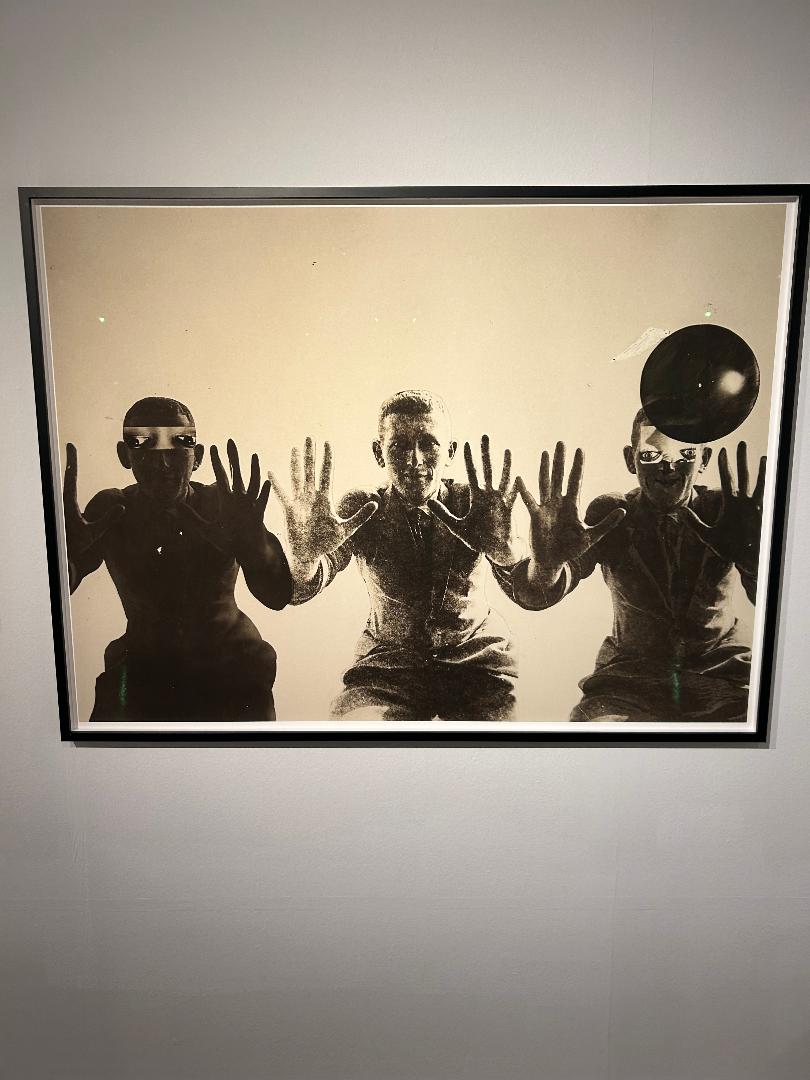
2026 GREEK TRAVEL ADVENTURE: Short Attention Span Version: 12September2026:Thessaloniki. Greece: Thessaloniki Museum of Photography: Laszlo Moholy-Nagy: “Light Play”

Always a mandatory stop when I am in Thessaloniki is the Thessaloniki Museum of Photography. Intimate and never crowded. A relaxing café and bar overlooking the ocean if you are in the mood.

Hungarian László Moholy-Nagy (1895-1946) has been a prominent figure of the modernism that exploded in the visual arts in the first decades of the 20th century. Multifaceted and pioneering, he worked in painting, photography, theatre and opera sets while he designed books, exhibitions and shop fronts. In 1923 he joined the Bauhaus where he taught the basic course, photography and metallurgy until 1928. In his more than 400 photographs he explored abstraction.

A visionary, multimedia, experimental artist he groped for the boundaries between media, techniques and materials, while in the relationship between art and technology he saw the threshold of a “brave new world” and the fulfillment of art’s social role.

The exhibition runs until 11November2026.

2026 GREEK TRAVEL ADVENTURE: Short Attention Span Version: 12September2026: Thessaloniki, Greece: MOMUS Experimental Center for the Arts

Headed to the old port area an enjoyable 20-minute walk from Daios Luxury Living, our hotel. The old wharf’s structures have been restored maintaining its flavour as a port with warehouses converted for cultural purposes. It reminds one, at first blush, of the Distillery District in Toronto.

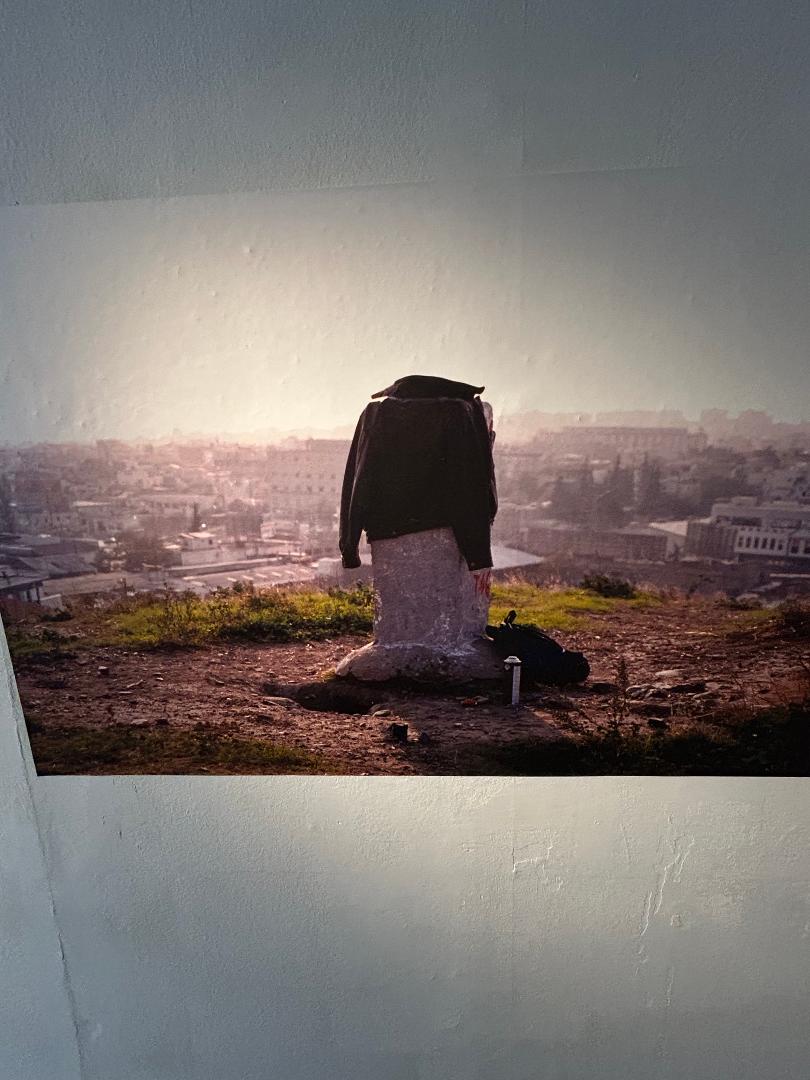
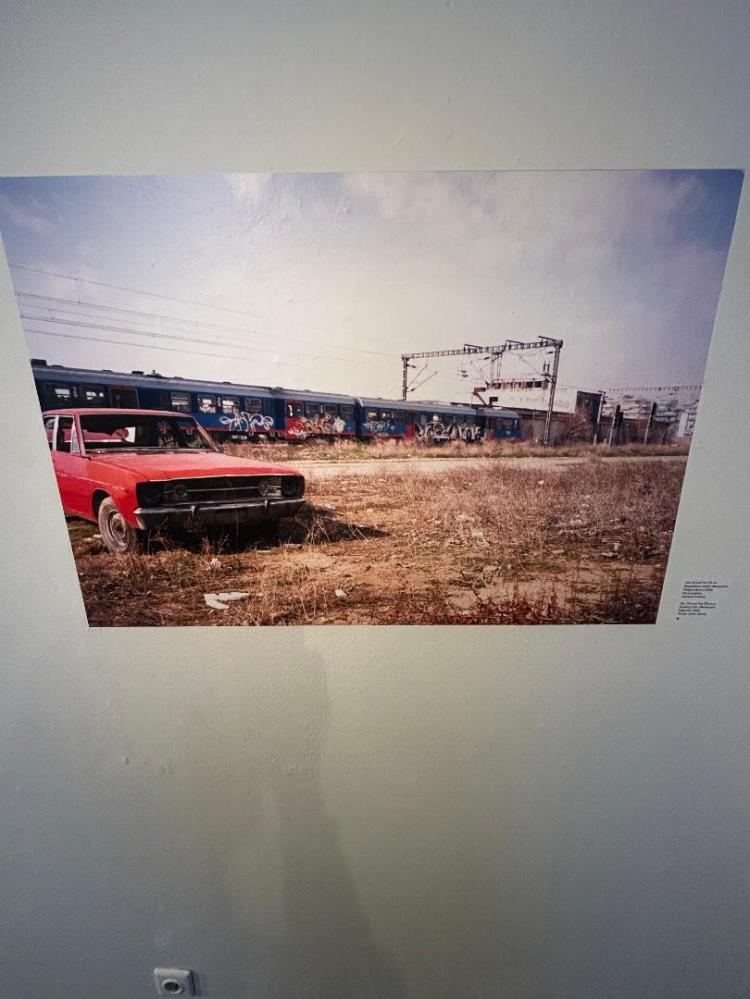
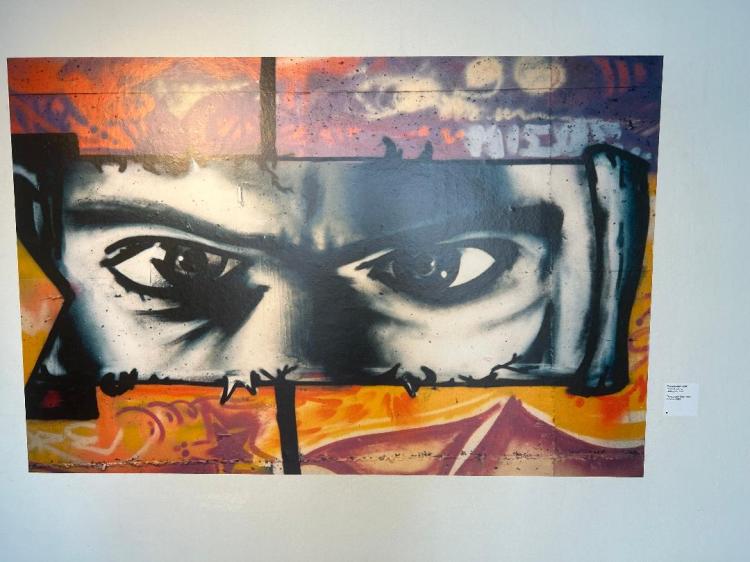
One can always expect an interesting exhibit at the small and highly manageable MOMUS. The exhibition is a display of graffiti by Orestis Pangalos which runs until 4October2026.

The exhibition features more than 500 photographs of murals and graffiti, dozens of photographs of his installations and public spaces, objects collected from the streets, dozens of projections and videos and historical archival material spanning four decades, fourteen countries and thirty Greek cities and regions.

This exhibition-journey revolves around a sweeping and anti-nostalgic chronology, which functions not as historical documentation, but as a record of an obscure human geography of Thessaloniki’s parallel underground life, which also constitutes a major local cultural force.

Orestis Pangalos is an architect, visual artist, Ph.D in Art Theory and university lecturer. His works span the field of contemporary art, theory, architecture and public space combining artistic practice with research, writing, publishing, and university teaching.

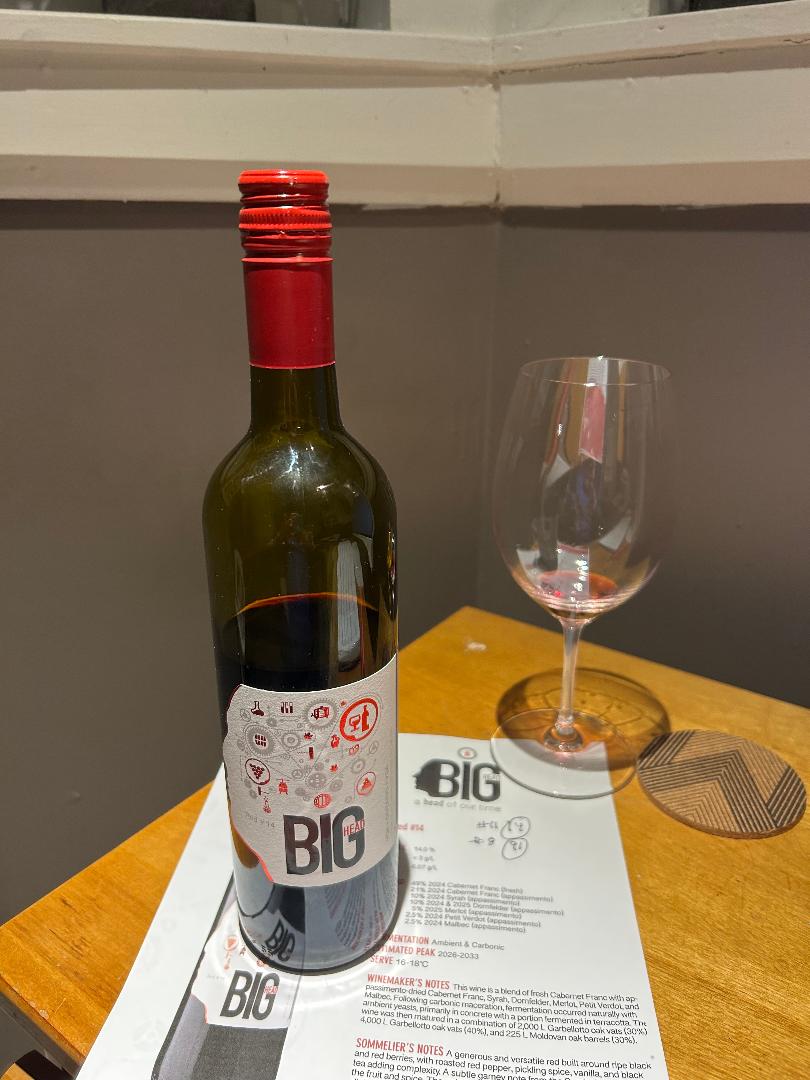
RKS Ontario Wine: Big Head Red #14

Having scored 91 for Big Head Red #8 and 94 for Big Head Red # 11 I have high expectations for Big Head Red # 14.

There are enough grapes in this blend to encourage dizziness;

49% 2024 Cabernet Franc

21% 2024 Cabernet Franc (appassimento)

10% 2024 Syrah (appassimento)

10% 2024 &2025 Dornfelder (appassimento)

5% 2025 Merlot (appassimento)

2.5% 2024 Petit Verdot (appassimento)  

2.5% 2024 Malbec (appassimento)

Fermentation occurred in concrete and terracotta. Matured in Garbellotto and Moldovan oak.

Aroma: Primary and dominating notes of sweet red cherry and raspberry liqueur. Secondary notes of vanilla, plum and milk chocolate.

Palate: Medium high tannins. Ripe red cherry and sweetened cranberry juice. Short tartish finish.

Overall Impression: The wine is taking its baby steps. If you have the patience open in 2028.It will be a memorable wine. Requires food as it is a bit brutish at the moment.

Cellarbility: Consume no later than in 2032.

Food Match: The winery says, “Pair it broadly-grilled meats, burgers, tomato-based pasta, roast chicken or hard cheeses….”. I would add Greek goat or lamb kleftiko.

Price: $28.80 CDN.

RKS Ontario Wine Rating: 92/100.

Big Head Red # 14, VQA Ontario, Big Head Wines, Niagara-on-the-Lake, Ontario, 14%, 750 ml.

2026 GREEK TRAVEL ADVENTURE : Short Attention Span Version

12September2026: Thessaloniki, Greece: Nothing better (not really) than a good sleep and a great breakfast

Slept seven and a half hours and woke up a tad groggy. Jet lag causes physical fatigue but it also befuddles the mind making simple decisions a bit more complicated than they deserve to be.

A pleasant morning brought clouds and sun with warmth and not heat.

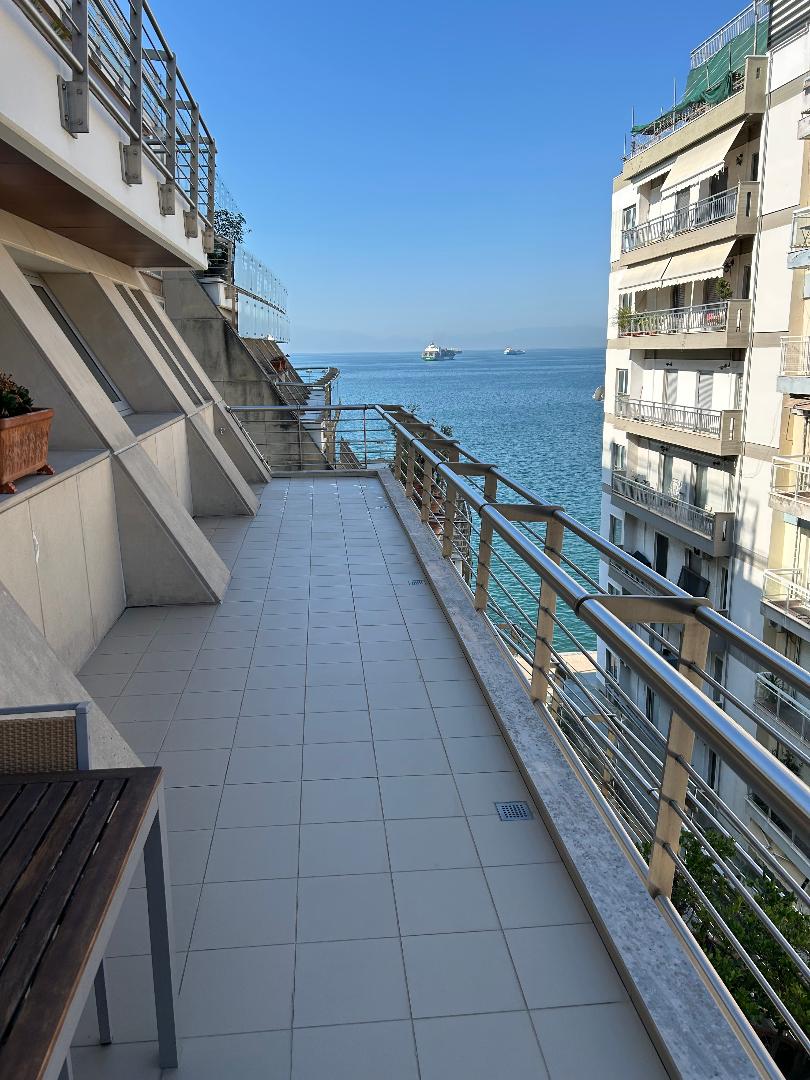
To the left on our balcony there is a partial sea view with mountains in the distance the view obfuscated by mist and fog today. Some days the mountains are not visible because of it. Facing us are a series of condos with one of them having a small white barker that gives us a piece of his mind when inclined to do so when we are on the balcony before disappearing back into the flat. That bark makes one feel somewhat at home as we have a few dogs in our Toronto neighbourhood.

The room at Daios Luxury Living is beginning to show its age. The slatted wood in the bathroom could use a coat or two of varnish and around the sink it is looking somewhat battered. The shower door has a bad squeak to it.

Although in the city centre the noise level is minimal as after all this is not Athens with a steady roar of traffic on the main streets. You hear a motorcycle occasionally or even an argument and yesterday a short demonstration on the seaside promenade. On every visit to Thessaloniki, I have encountered a demonstration.

As I have mentioned a real smash up breakfast at the hotel. Freshly squeezed orange juice to start and a barista who knows her stuff preparing an excellent latte and cappuccino. Thessaloniki is coffee town! The usual variety of eggs with excellent breads and cheeses, pastries, bruschetta, sauteed mushrooms super delicious roast potatoes and fruit particularly the oranges and grapefruit. Today there was a delicious Cretan bruschetta. Greeks always work magic with roast potatoes.

Nothing like a good breakfast to start the day when on the road. We rarely eat lunch while on the road.

RKS Literature: Penetrating the Heart of Darkness (Joseph Conrad)

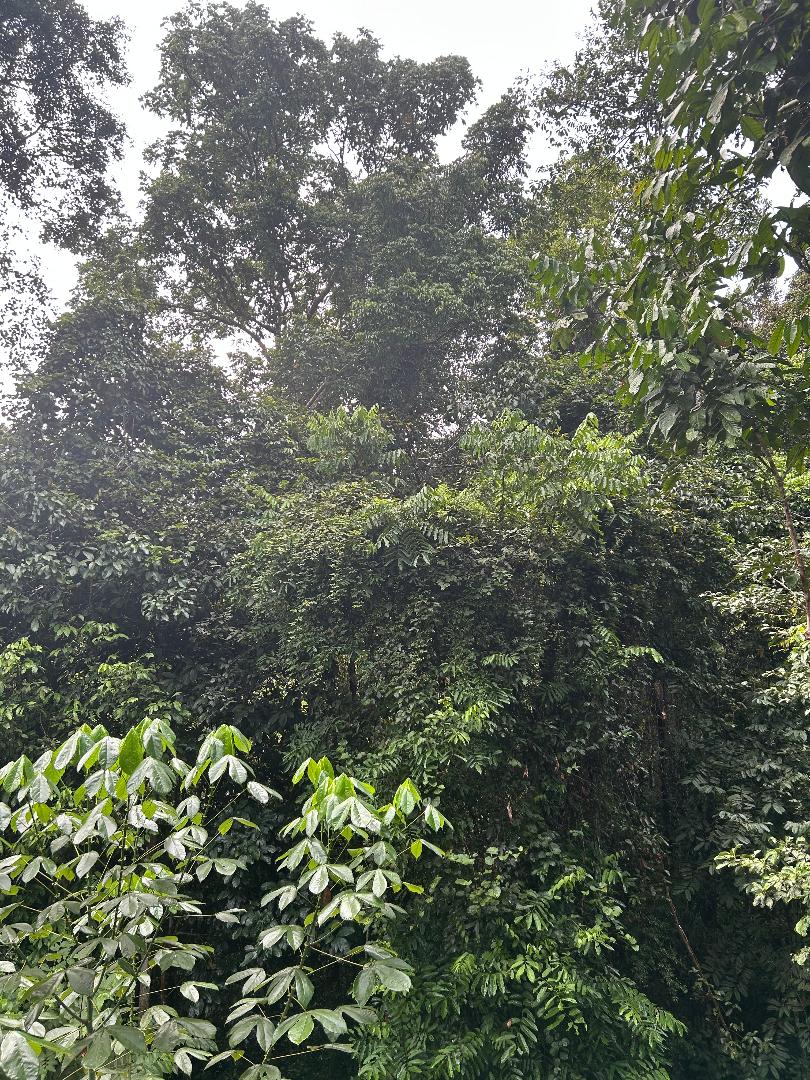
We penetrated deeper and deeper into the heart of darkness. It was very quiet there. At night sometimes the roll of drums behind the curtain of trees would run up the river and remain sustained faintly, as if hovering in the air, high over our heads, till the first break of day. Whether this meant war, peace, or prayer we could not tell. The dawns were heralded by the descent of a chill stillness; the woodcutters slept, their fires burned low; the snapping of a twig would make you start. We were wanderers on a prehistoric earth, on an earth that wore the aspect of an unknown planet.

Joseph Conrad, “Heart of Darkness”, 1899

RKS Film: Ah Biao’s “Border”: Sort of a Zombieland

“Border” is, could we say, a participatory film. The basic plot is not that difficult to pick up but there are gaps where the viewer must make decisions what is transpiring and in what direction the film is heading towards. One could enjoy the participatory ride or suffer from annoyance and frustration. Not a mass market film.

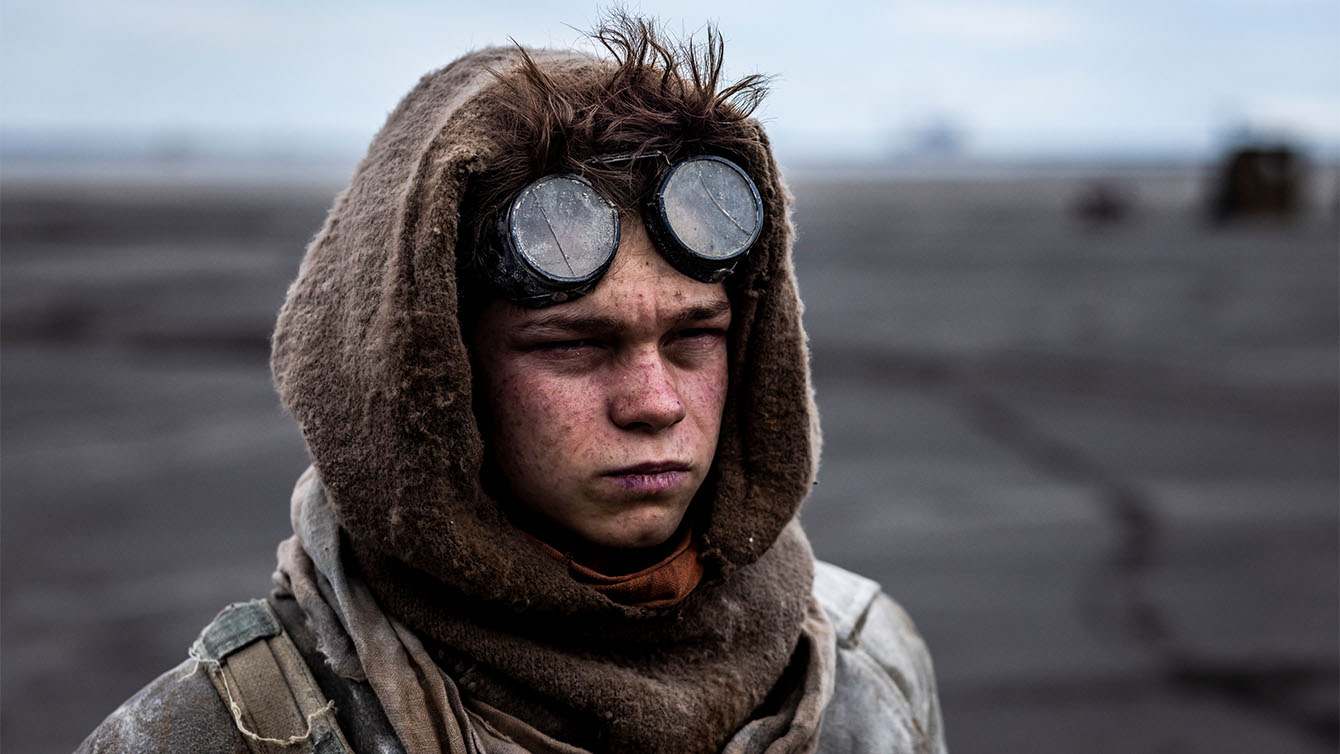
The setting of the film is a drab coal mining town on the Chinese Mongolian border. It is a bleak, barren, grimy and decaying town. The film’s characters are not much different than the town they inhabit almost completely devoid of emotions. Even during a murder both murderer and victim are robotic without fear or anger.

The impression conveyed is both the town and the souls inhabiting it are soulless.

There is minimal dialogue and where you encounter it too has no emotion.

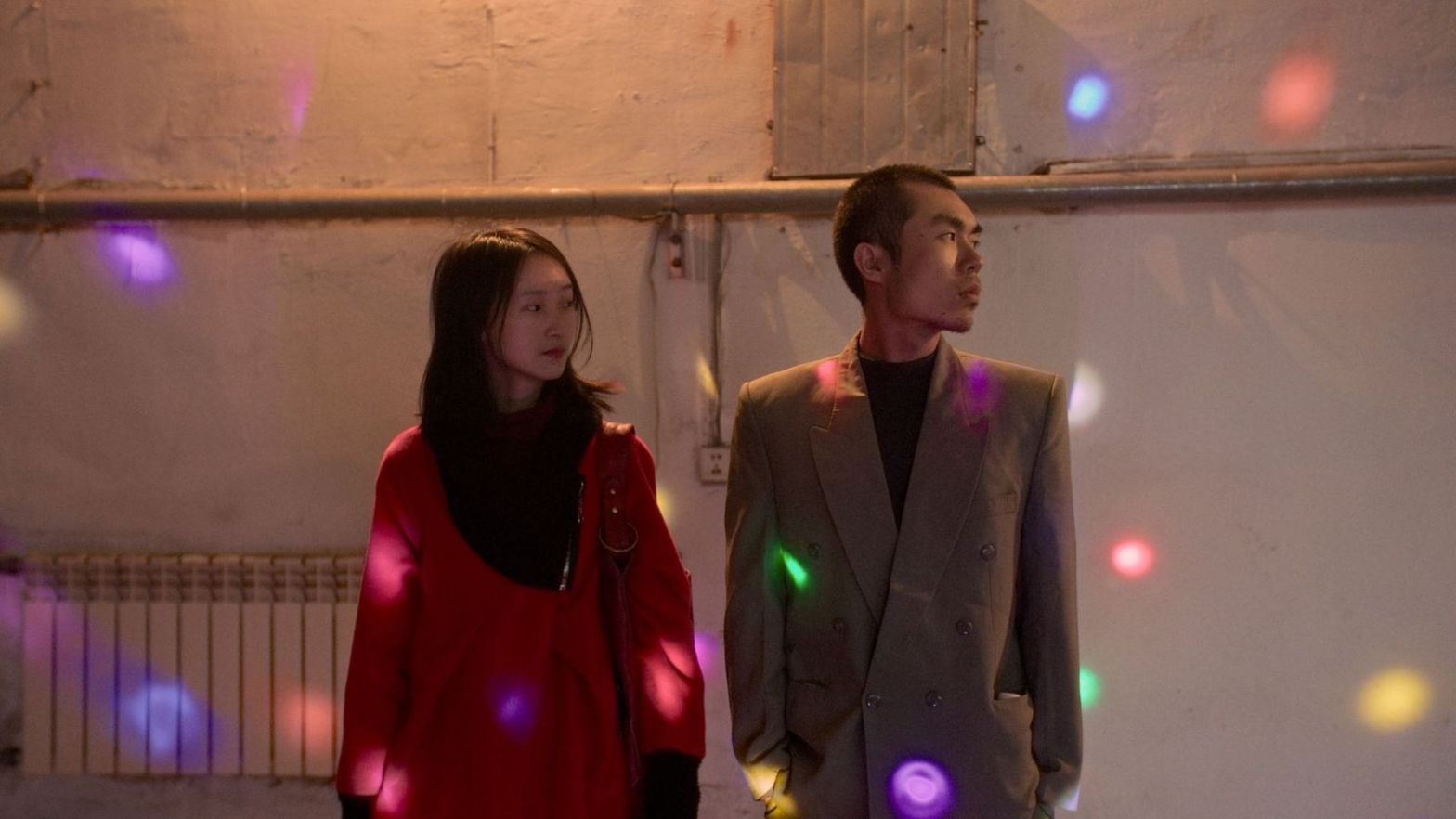
Luo Jia (Zheyan Li) is a young coal miner sharing a flat with an older security guard at the mine. It could be there is a sexual relationship between the two but it is more boredom than passion.

Su Qing (Feng Qi) is a sex worker and she can often be seen in the street wearing bright coloured clothing. An old fashioned “street walker” with a pimp-accountant.

Jia gradually enters a relationship with Qing but again there is no passion. Jia proposes in a most nonchalant way with Qi responding, “Can you afford to keep me?” Early in the film we hear her say on her phone, “Mommy is working”. Qi has dependents.

The mine closes and all the miners are unemployed and try as he may Jia is unsuccessful in finding employment.

Jia has a pistol and he approaches a car parked on an empty rooftop parking lot with a man and a young boy in it. Classic abstract arty moment with a spinning top with the boy watching it. Has Jia committed a murder? Yes, one of the many abstract moments in the film.

Why are the film’s characters soulless? Something you might wish to consider.

The film’s conclusion is extremely abstract with Qi’s young boy crawling on the dusty ground of a farm then standing up. Almost as if it’s the child being symbolic of that bone flipping in the air in “2001 Space Odyssey”. See what I mean the “participatory film genre?”. The thrill of the guess!

Not sufficient emotional content to classify the film as “neo noir”.

A Hong Kong/South Korea/USA production.

The film recently screened at the San Sebastian Film Festival.

RKS Film Rating 65/100.

RKS Literature: Fine Fellows These Cannibals (Joseph Conrad)

I don’t pretend to say that steamboat floated all the time. More than once she had to wade for a bit, with twenty cannibals splashing around and pushing. Fine fellows-these cannibals-in their place. They were men one could work with, and I am grateful to them. And, after all, they did not eat each other before my face: they had brought along a provision of hippo-meat which went rotten, and made the mystery of the wilderness stink in my nostrils. Phoo, I can sniff it now.

Joseph Conrad, “Heart of Darkness”, 1899

Photo: R. Kennedy Stephen

RKS Literature: The Fascination of the Abomination (Joseph Conrad)

Or think of a decent young citizen in a toga-perhaps too much dice, you know-coming out here in the train of some prefect, or tax gatherer, or trader even, to mend his fortunes. Land in a swamp, march through the woods, and in some inland post feel the savagery, the utter savagery, had closed around him-all that mysterious life of the wilderness that stirs in the forests, in the jungles, in the hearts of wild men. There’s no initiation either into such mysteries. He has to live in the midst of the incomprehensible. And it has a fascination, too, that goes to work upon him. The fascination of the abomination-you know. Imagine the growing regrets, the longing to escape, the powerless disgust, the surrender, the hate.

Joseph Conrad, “Heart of Darkness”, 1899