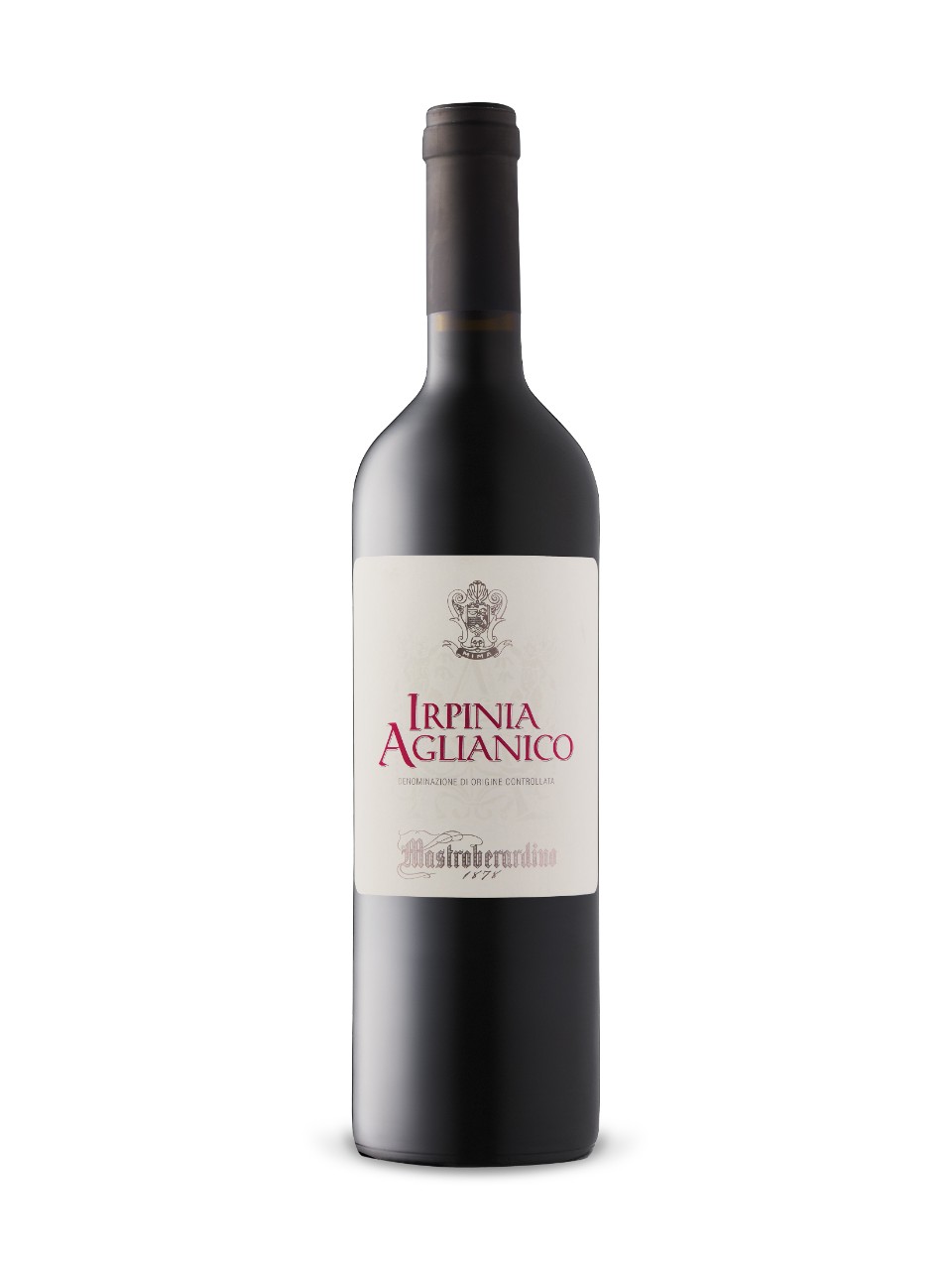
RKS Wine: Mastroberardino’s Irpina Aglianico 2018

Perhaps one of Campania’s best-known wineries what think I of their 2018 Aglianico?

On the nose I am transported to the Greater Naples area of Italy with black cherry, cherry liqueur, blackberry and smells from the Bay of Naples.  The aromas are high toned as if they are floating about in a rocket beam to the nose. There is a bit of tar as well which is a characteristic of red wines grown in the volcanic soils of Mount Vesuvius. On the palate sweet red cherry, smoke all in an elegant and understated frame. May I dare to say somewhat of a dainty and aristocratic wine and where or where is a piping hot Neapolitan pizza to serve with this wine?

Vesuvius archeological site; Photo Robert K. Stephen
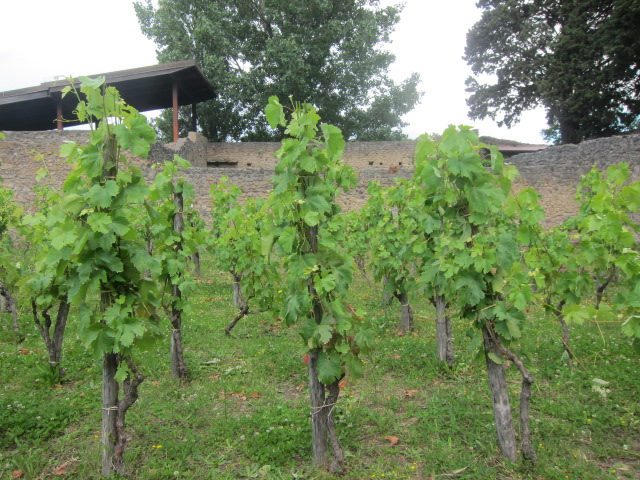
One of Mastroberardino’s Vesuvius Vineyards: Photo Robert K. Stephen

The best Campanian wines like Aglianico, Piedirosso and Lacrima di Christi have an ability to sucker punch you being so understated and smooth you can go through several glasses and the bottle is gone. Light and spacy and eminently drinkable suitable for so many dishes of Campania.

Aglianico arrived from Greece brought by the Phoenicians. Aglianico is a corruption of the Italian word for Hellenic “Ellinico”. The Greek influence in southern Italy is enormous. You’ll see “Greco” throughout Sicily and Campania. There are even remote villages in Sicily that speak an ancient Greek dialect!

The municipal train from Naples to Vesuvius: Full of hustlers and pickpockets: Photo Robert K. Stephen

Mastroberardino has several small vineyards in the Vesuvius archeological site.

(Mastroberardino Irpina Aglianico DOC 2018, Mastroberardino, Artipalda, Italy, $23.95, LCBO # 93112, 750 mL, 13%, Robert K. Stephen A Little Birdie Told Me So Rating 91/100).

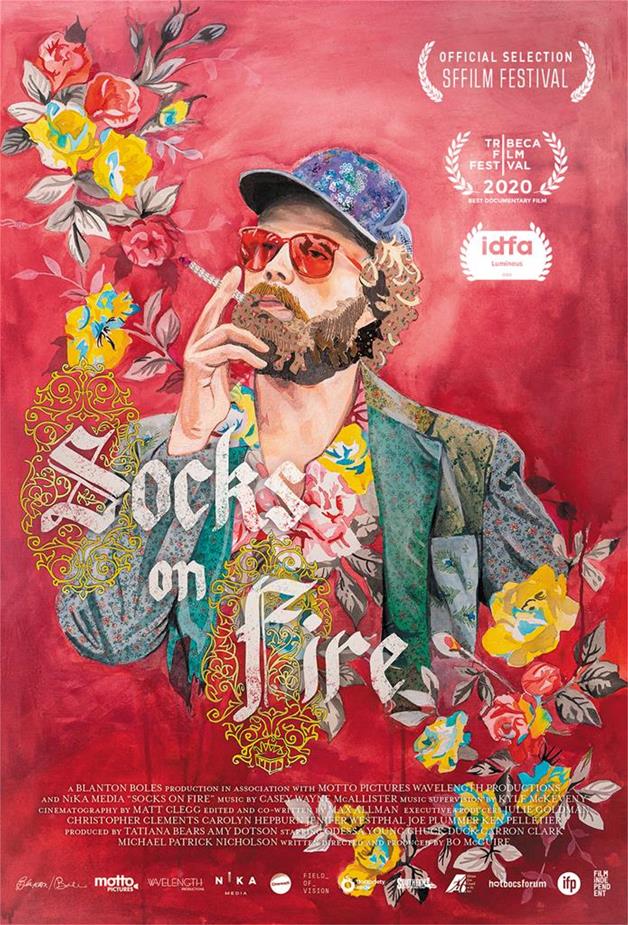
“Socks on Fire”: A Poetic and Lyrical Journey into the Past

“Socks on Fire” is a very highly pedigreed documentary winning the Tribeca 2020 Grand Jury Winner Award for Best Documentary. It played again at Tribeca 2021. It will be showing at select locations in the United States now but I await word how you can see it throughout the world. A wider distribution deal is being worked out. Once widely available I will update this posting with details

It showcases how imaginative and creative documentaries can be.

Bo McGuire is a gay man living in New York City who returns to his hometown Hokes Bluff in Alabama where domineering Aunt Sharon as executrix of his Nanny’s estate has turned into a ruthless and bitter woman intent on locking out her drag queen brother, Uncle John, from Nanny’s house where he had been living. Aunt Sharon even tries to lock him out of the house by changing the locks and is instrumental in having him arrested.

Although the stated goal of Bo McGuire is to document this bitter struggle his underlying intent is to discover his extended family and he does so through creative enactments, old VHS tapes and discussions with those who have influenced his life almost all who are women.

As Bo says at the beginning of the documentary as he burns socks on a clothesline, “What do you do with what the dead left behind? Do you leave with it or set it on fire?”. As far as I can see Aunt Sharon is burning many in her extended family with her greed and hatred of her brother John and as amongst family she has lost all credibility. I have some experience with a death of a family member where property seemed to walk out of the deceased’s house!

For Bo if there is anything he has set fire to is a voyage of self discovery. His narration is melodic if not poetical at times. If anything he has a sense of unflappable calm. His journey takes us down the path of self discovery, death, the importance of family, love, pride, sacrifice, greed, queerness and childhood trauma.  

What turned Aunt Sharon into such a cold-hearted monster may be found in her strong affiliation with the church and the manipulation of her husband.

I do not know what documentaries “Socks on Fire” was competing with but this documentary is certainly a good one and winning the Tribeca award is remarkable for Bo McGuire who was the director of the film, his first feature film.

Possible Fall New Wave of COVID?

Will There Be a Fall 2021 Resurgence of COVID-19 in the U.S.?

Infectious disease modelers explore how COVID-19 could play out in the next six months.

INTERVIEW BY JOSH SHARFSTEIN  | JUNE 17, 2021

https://html5-player.libsyn.com/embed/episode/id/19348439/height/90/theme/custom/thumbnail/yes/direction/forward/render-playlist/no/custom-color/fb5600/


Public Health On Call

This conversation is excerpted from the June 4 episode of Public Health On Call.Subscribe to Podcast

Last fall and winter saw a surge in COVID-19 cases in the U.S. after numbers dropped in the summer. Will that happen again this year?

Justin Lessler, an infectious disease epidemiologist at the Johns Hopkins Bloomberg School of Public Health, worked with several teams of modelers to explore possibilities based on different vaccination rates and levels of other controls, such as mask wearing and distancing. In this Q&A, adapted from the June 4 episode of Public Health On Call, Lessler discusses several different scenarios—and the troubling element that the models didn’t consider.

You’ve spent a lot of your time in the last year working on models to understand the spread of the virus, and you have recently worked with a group of modelers to look to the future from where we are today. Can you tell us about this work?

This is a multi-modeling effort we call the COVID-19 Scenario Modeling Hub. We wanted to bring in teams with different perspectives and different assumptions to try to get the best sense across the scientific community of how things might proceed in different conditions. This is how we do weather forecasting, and we think it’s the right way to do infectious diseases as well.

What is the difference between scenario modeling and forecasting, and how that is applicable to this model that you build for the future?

In forecasting, we’re really trying to say what will happen. For a lot of reasons, we can only do that for a little bit into the future, kind of like in weather forecasting, where you can have a decent 10-day or maybe 14-day forecast, but you really can’t go much further than that. The COVID-19 Forecast Hub, another multi-modeling effort, realizes that and limits their forecasts to four weeks into the future.

But people who are planning for, say, how long we will need to support people who are put out of work by the pandemic, or what the impacts might be of lots of vaccination hesitancy—they need to know how things might unfold in longer timeframes of three months, six months, or maybe even longer. And then we get into the realm of what I call planning scenarios. We specify some conditions about how things might unfold based on our best understanding of the world now, and then, under multiple scenarios where things unfold in slightly different ways, project how the epidemic might unfold. But we’re perfectly upfront and clear that changes in policy, changes in how people react, or unexpected new variants of the disease could completely change these, so we don’t claim them to be forecasts.

What scenarios were you looking at?

We looked at a 2-by-2 table of scenarios where one dimension was all about vaccination. While in previous rounds the questions around vaccination were often about supply, now they’re about hesitancy and demand. So one scenario [assumes that] demand is going to be high—most people who say they might get the vaccine eventually get it, and we get up to around 83% of the eligible population being vaccinated at a national level. In the low-vaccination or high-hesitancy scenario, we assume that just under 70% of the eligible population actually gets vaccinated.

The other dimension was control measures other than vaccination. We call them nonpharmaceutical interventions, or NPIs. This is the suite of basically everything else: mask wearing, both mandated and by individual choice; restaurant capacity rules; and even personal decisions about whether to go out and do activities as before the pandemic occurred.

So these teams looked at four different scenarios: high vaccination plus a reasonable amount of NPIs, all the way down to low vaccination and not a lot of mask wearing or other types of restrictions.

Yes, exactly.

In three of the four scenarios, we see cases going down and staying low, deaths going down and staying low, and hospitalizations going down and staying low. If we have low vaccine hesitancy, or we’re very slow and cautious in how we ease back NPIs, that’s where the models send us. We level off at lower numbers [of cases], and they get lower a lot faster, if you both keep some control in place and have high vaccination. If we’re high on either dimension [NPIs or vaccination], numbers go down.

But if we have low vaccination and quickly roll back the NPIs, then we start seeing resurgences in the fall. That’s one of the places the models start having the most variation between them, with some thinking things could get really bad quite quickly, and others thinking things will be relatively good but still seeing moderate increases in cases.

In scenarios where there aren’t as many people as we’d like to see vaccinated, and people give up their mask and other things, what are we looking at for the fall in terms of deaths?

Just to give you a sense of where we are now, we’re seeing around 4,000 incident deaths per week. In the most optimistic scenario, by the end of October that gets down to under 70.

70 deaths for the whole country, per week?

Per week—if we have high vaccination and we keep control measures in place. In contrast, if we have lower levels of vaccination and roll back our control measures a lot, then after having a lull in the summer, we’ll be coming back up and seeing something like 2,500 deaths a week again. That’s a little bit better than where we are now, but trending the wrong way.

Even in the scenarios with low vaccination and moderate amounts of NPIs, or low NPIs and high vaccination, you see less than 300 deaths—but that’s still two or three times more than you see in the most optimistic scenario. Basically, if you succeed on any one of the axes, things like start looking a lot better than they do now. But if you fail on both, or don’t get where you want to in both, the pandemic continues.

How possible is it that we see more than one of these scenarios in different parts of the country?

It’s completely possible. The teams were free to take this national average of 70% overall vaccination rate and apportion that between states based on what we’ve seen so far in terms of vaccination. When you look at that, plus the number of cases the states have seen already, numbers stay low in some states—like New Jersey, which had a lot of cases and has a pretty good vaccination rate also—even in the worst-case scenario. But then if you look at places like Maine, which hasn’t had a lot of cases in the past, you see some pretty significant resurgences in the most pessimistic scenario. But it is certainly the case that the whole country isn’t necessarily going to follow any one of these.

In pretty much all of these different scenarios we see a big decline over the summer. But in some of the scenarios, it really goes up quite a bit in the fall.

So, I see the summer as a critical time for the vaccination campaign. We may be lulled into a sense of security by having so few cases, but if we’re not doing everything possible to get people vaccinated in that period, we could be paying for it in the fall. Do you think that’s a fair conclusion?

I think that’s completely fair. Even though we had last year some localized surges, for the most part nationally we were in pretty good shape over the summer. And then as soon as fall and winter hit, numbers started really going up again. We need to keep that in mind as we think about this year and keep those vaccinations coming.

Also, all these scenarios are a little bit optimistic in one way: They don’t account for a more-transmissible variant or a variant with partial immune escape coming along, which could put us in an even worse position. I think the best way to insure against that is to keep the vaccination rates high over the summer—and as new populations become approved to get the vaccine, make sure we get it out into those groups—so that we have the immunity to protect us from the unexpected in the future.

Update: On June 15, the COVID-19 Scenario Modeling Hub released its sixth round of projections. Key takeaways include:

  • In scenarios with a 60% more transmissible variant, the Hub expects a national surge of cases to grow over the summer, peaking around mid-September to early October—which is also when schools open and seasonal effects might kick in.
  • Increasing vaccination coverage from 75% to 86% nationally will help curb the wave and cause it to decrease quicker, but it will not prevent this surge.
  • Surges will be strongest in states with lower rates of vaccination.
  • The transmissibility of new variants has a greater impact on future cases than raising vaccination levels from 75% to 86%: A 60% more transmissible variant will result in a surge regardless of vaccination rates, while variants that are only 20% more transmissible may not.
  • There is still a lot of uncertainty about highly transmissible variants in terms of magnitude and timing, but the main point is—
  • Higher levels of vaccination coverage will prevent cases and save lives, regardless of how transmissible new variants may be.

See the data here.

Joshua Sharfstein, MD, is the vice dean for Public Health Practice and Community Engagement and a professor in Health Policy and Management. He is also the director of the Bloomberg American Health Initiative and a host of the Public Health On Call podcast.

Viognier: In a Class All by its Own or in a Blend: A Gewurztraminer on Sedatives?

Viognier reminds me of, peach, apricots and honey all in a full bodied but not sweet wine. Yes you can find some in Ontario and in British Columbia in Canada with better success in British Columbia. You will find perhaps the best Viognier in Condrieu in the Rhône in France but Australia’s Yalumba Winery produces some excellent Viognier and it has been catching on in California. It is also grown in Italy, Brazil, Argentina, Chile, South Africa and Japan. Yet finding a good variety of producers of Viognier at the Liquor Control Board of Ontario is impossible. Chardonnay rules the roost!

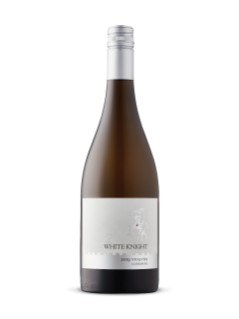
So we can try a White Knight from Clarksburg in California a label of giant Don Sabastiani & Sons. Post my comment about Chardonnay above I had a chuckle reading the back label on the bottle that states “Saving the World from the Tyranny of Chardonnay.”

The wine has a light gold colour. On the nose peach, apricot, honey and tangerine in a concentrated beam of delight. Quite like a Gewurztraminer on sedatives. As for the palate there is no doubt that this is a full-bodied wine. As it goes down the hatch there is a certain scratchiness one finds in an Encruzado from the Dão region in Portugal. On the palate peach cobbler, apricots and baked pear. A long spicy finish. Don’t expect Viognier’s to clock in at 12.5% as they usually are higher weighing in like this one at 14.5%.

So how can one summarize the wine? More exciting than most Chardonnays. It is not elegant but forceful and assertive bulldozing mundane whites in its path. Well heeled it is a good sipping wine but with clam linguine in a simple butter, garlic, parsley white wine sauce or chicken breast with tarragon, white wine and cream sauce it meets its bosom buddy.

(The White Knight 2019 Viognier, Clarksburg, California Sebastiani & Sons, Napa, California, $19.95, LCBO # 512764, 750 mL, 14.5%, Robert K. Stephen A Little Birdie Told Me So Rating 94/100).

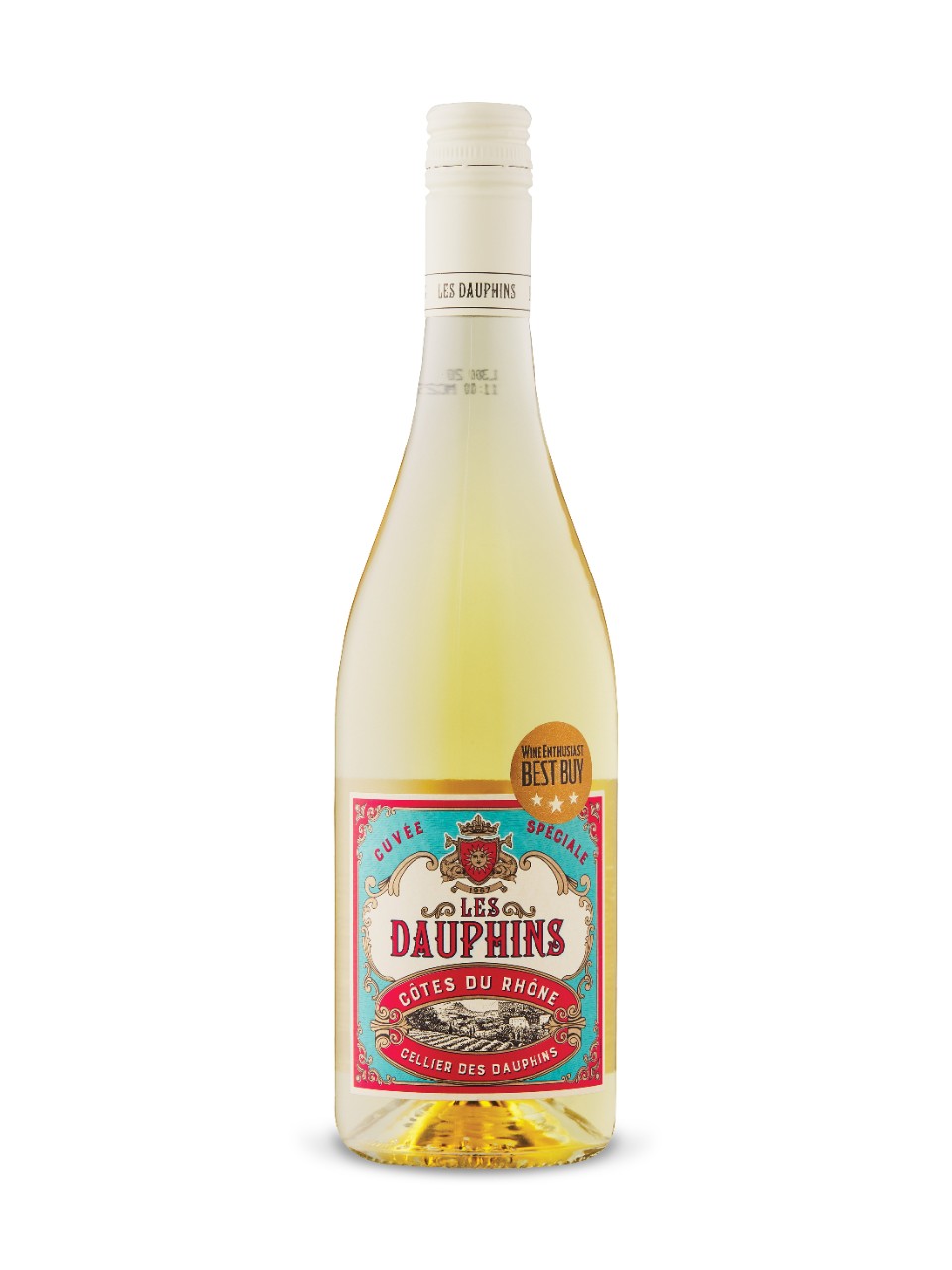
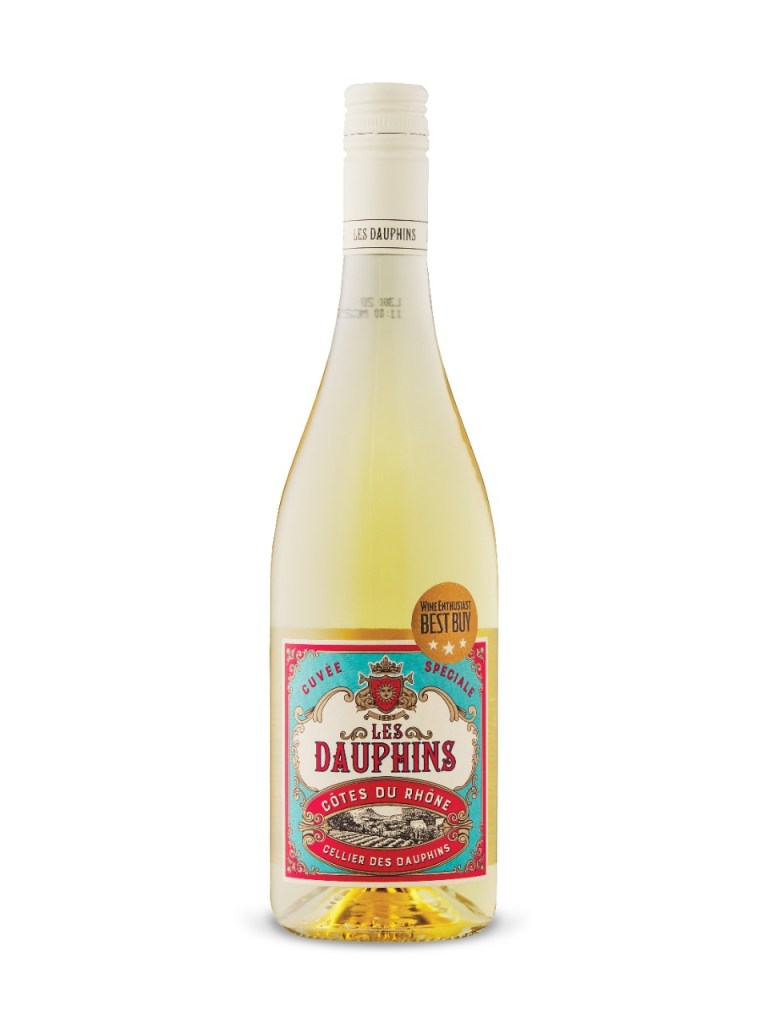
Les Dauphins Cuvée Spéciale is a blend of 60% Grenache, 30% Viognier and 10% Marsanne. I am thinking it’s time to batten down the hatches but the only way to know is to taste it. For $13.95 it is a real Penniless Pensioner wine.

The label looks like an old bistro wine label. It’s striking design is warning you this is no delicate and dainty wine.

In colour a light gold. On the nose the Viognier is definitely there but restrained by the Grenache. There is apricot, peach, pineapple and mango. While on the palate the Viognier again is a prisoner of the Grenache but it is definitely there. However the skillful blend is making the Viognier a happy companion with the Grenache. There is pineapple, peach all with precise minerality. A long finish. No need to batten down the hatches as the blend is smooth tasting and impressive irrespective of the price. A bistro should be happy to serve such a wine. A great match for a Croque Monsieur served up by my favourite Manhattan bistro Les Deux Amis. Pleasant enough to be quaffed on its own. It just might suit a Tuna Melt and would do well with pork and poultry. Might I suggest pick up a couple of bottles for Thanksgiving turkey. You may want to make this your summer wine for entertaining but I will say drink by the end of 2022.

(Les Dauphins Cuvée Spéciale 2018, AC Côtes du Rhône, Union des Vignerons Côtes du Rhônes, Tulette, France, $13.95, LCBO # 18600, 13%, 750 mL, Robert K. Stephen A Little Birdie Told Me So Rating 90/100).

“Mutantism on the March” :Chapter 69 “Rauncho’s First Dope Run”

Eno Ergot’s smuggling career commenced in a grand fashion. Just wait until Bluebeard heard about it thought Eno! A phoney museum had been constructed in the ship renamed the “SS Zorollia”. Special consultants from Trinidad to construct the museum and its exhibits were flown in. Local seamstresses created brilliant reproductions of piratical fashion. Provisions were loaded and 50 tons of Paraguayan weed was hidden throughout the ship in secret compartments. Everything was ready to go and Eno learnt their destination was New York City. After yet another wicked night out in town the crew hoisted sails and was off to riches and adventures. The long voyage was without incident except for a nasty storm the crew handled with great skill. Mafia paid public relations firms in Manhattan spread the word that Eno’s “cultural mission” would soon be arriving in the city. Thousands of onlookers assembled in Lower Manhattan to catch a glimpse of the pirate ship and its crew. When the SS Zorollia was tugboated into its pier it was to thunderous applause. US Customs and Immigration were so confused and bedazzled by the ship and the colourful pirate costumes all they did was stamp the forged passports of the crew and walked out with big smiles on their faces. Soon locals and tourists formed long lines to get their tour of the ship and its museum. Although the crew grumbled about the bubble-gum the Americans spat out on the deck and had to clean up they enjoyed their success in heading out each night with a bevy of beautiful wenches. Their favourite hangout was Studio Fiftywhore where they mingled with celebrities including the famous painter Andy Asshole.

Even the mayor of New York City, Tony Drooliana, was invited for lunch onboard and as a token of the city’s appreciation Eno was given the key for the city! The lunch inspired the crew to open a pirate themed restaurant in Hell’s Kitchen. These Americans were so gullible dropping great gobs of cash if they were lucky enough to secure a reservation. It became a haunt of the superrich despite the mediocrity of the food.

After a week of museum visits Mafia vans unloaded the weed and sped off in the early morning hours.

The ship was supposed to return to Columbia after a week or so in New York but the crew was having so much fun their short stay turned into several weeks. Rauncho did not mind as the popularity of Eno and his crew gave them credibility. On Christmas Eve the crew hosted a charity event for a group that called itself the United Mutations.

“Mutantism on the March”: Chapter 68 “Ruancho and Ergot Strike a Deal”

The gong of the first mate roused the crew from a deep narco-alcohol sleep and they proceeded to take a few shots of Brazilian vodka and bake in the sauna to spruce up for the dinner at Ruancho’s. Limos arrived at 8 p.m. to take Eno and his crew to Ruancho’s for his festive barbeque. Ruancho was in a silk smoking jacket smoking an enormous spliff of Panamanian Red when Eno and his crew arrived.

Eno and Ruancho took a seat on his second-floor balcony smoking Panamanian Red from a hookah and watching their men snorting and smoking a wide array of products. Whole sides of beef and entire pigs were being roasted slowly sending wafts of munchie vibes. At 9 p.m. a servant announced dinner was being served. The Ruancho thugs and Eno’s crew stuffed their faces consuming enormous quantities of beef and pork guzzling kegs of “El Presidente” beer.

While their “lower orders” cavorted below Eno and his host went to a private dining room for a dinner of Shrimp Newturd and 1952 Chateau Laflop Graves.

After dinner Ergot and Ruancho settled down for a dessert of strawberries and Grognac, a mixture of hash oil and cognac served with the finest Columbian coffee. Ruancho rolled a spliff of Panamanian Red and the two settled down to business.

Ruancho said, “Eno I have heard that you have been raiding yachts off the coast. You have been pissing off some powerful narcos and they are on to you. Any more attacks and you are facing elimination. I can smooth things out there for you with my amigos. I have extended my influence to protect you. If you persist they will cut you to ribbons. They know your tactics. But I love you for your fierceness. You are a gutsy pirate. As you may be aware hashish and marijuana are now legal in our country since the overthrow of junta leader Pepe Liquita by that gringo Squid and his followers. Our large cultivation estates have been seized and turned over to stupid peasants. We have lost our narco monopoly and these peasants have bypassed our illegal network cutting out Mafia and Cosa Nostra and selling to mutantos for distribution to the Yankees. We narcos are being cut out of the action. We have offered enormous bribes to the new leaders of our country but unlike the last regime they are steadfastly honest. Frankly I am at the point of shutting down. However some of us have huge cannabis plantations in Paraguay with the approval of the German one. We now have 50 million tons of the stuff and we need someone to smuggle it to North American and European markets. I think you are the answer to our problems, Are you with us?”

Ergot responded “Sure Ruancho. But one thing bothers me and that is our ship is too slow to avoid custom patrols and that makes us a sitting duck.”

“Eno let me tell you we have all angles covered. Your ship is a tourist attraction. We can “convince“ governmental authorities that you are on some sort of cultural  mission. We can supply you with many bogus artifacts to further create the impression you are on some cultural mission. We can also supply your crew with fake passports. You’ll be so high and mighty they’ll never suspect anything! And just consider your admission prices to your floating museum you’ll be raking in extra cash. You’ll slip through custom’s officials like olive oil. They never touch anything “cultural”. Who wants the chance of instigating a diplomatic incident that would make them look like fools? We will outfit you with glittering ancient seafaring costumes and when they see you they will be hypnotized just like when you raided those narco yachts. For each shipment we offer you five million dollars, half now and the other half when your ship returns to Columbia. And in gold bullion to Swiss safety deposit boxes we will open for you. Is it a deal?”

“Yes Señor Ruancho. We have a deal. Let’s drink to it.”

“Julia Scotti: Funny That Way”: Comedian Comes Out

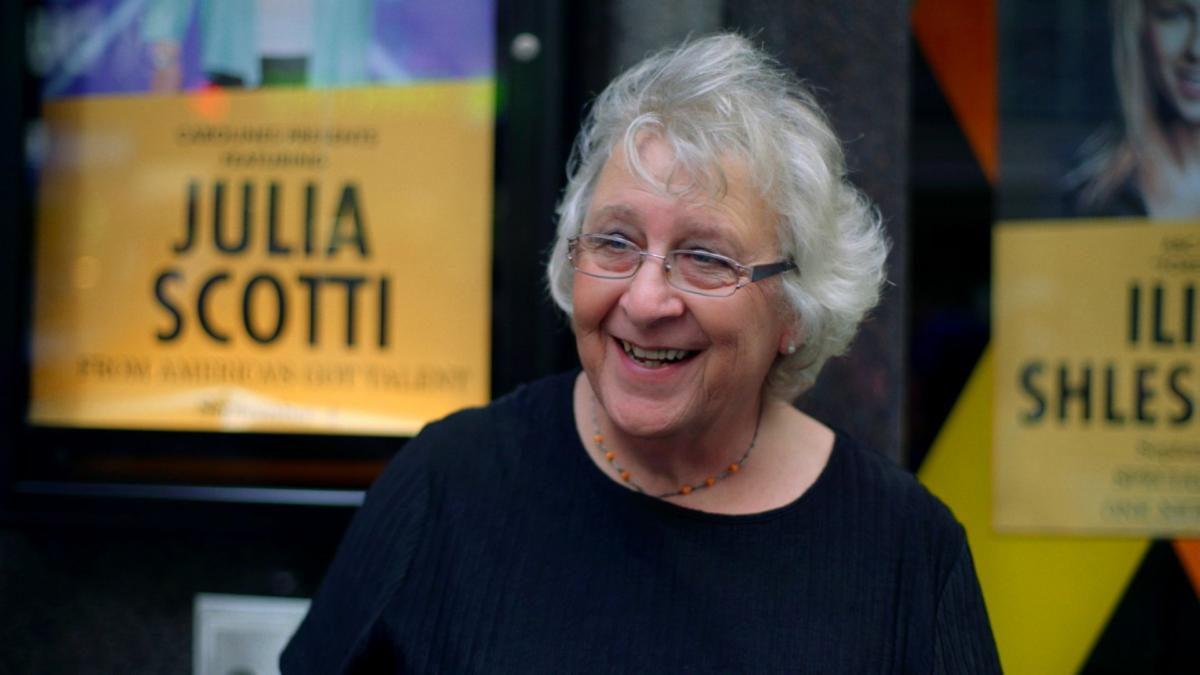
Review LGBTQ films the coming out quandary begins to get a bit repetitive. However “Julia Scotti: Funny That Way” offers a truly comedic yet personal and heart wrenching story of comedian Rick Scotti coming out as Julia Scotti. Why?

Julia Scotti

For almost all his life Rick Scotti just didn’t feel right. His marriages broke up. Was he gay he thought?

At 47 the revelation hit Rick Scotti that he wanted to be a woman so three years after surgery and hormonal treatments at 50 he became Julia Scotti. As Julia Scotti says she felt both a curse and blessing the day he became aware of who he was.

He relates in a rather amusing way when he informed his wife he wanted a divorce she replied was it another women. Well in a way it was! Julia was ignored by all including fellow comedians and her children but after a ten-year hiatus she stepped back into the world of comedy even appearing on “America’s Got Talent”. So Scotti is now back in the comedy game and also speaking to LGBTQ groups. Her children have come back to her. Julia felt so much angst and guilt missing out on the growing up of her children.

This is not a ribald romp dealing with sexual conversion. It is full of sadness, regret, guilt, emotional pain and rejection. But it is punctuated by comedic interpretations of the process by Julia giving fresh insights, as biting and sarcastic as they may be, as to becoming a woman and gaining peace of mind at a high cost.

Julia says one reason she agreed to be featured in this documentary is to help so many young people on the edge of giving up to have courage to see that others have handled a conversion. Although this may be a popular documentary for the LGBTQ community I think that its occasional comedic interpretations by Julia Scotti may make straights handle the coming out aspect with the respect it deserves rather than scorning it. After all was Julia Scotti once Rick Scotti? Could this be the documentary that calms a portion of the straight community into acceptance of sexual conversion as a courageous act as opposed to a freakish process?

You can watch the trailer here https://www.youtube.com/watch?v=Z01ubBhiHD8

This 73-minute 202 American documentary was directed by Susan Sandler. The documentary is available on iTunes, Amazon Prime Video, Google Play, Xbox, Vudu and Direc TV.

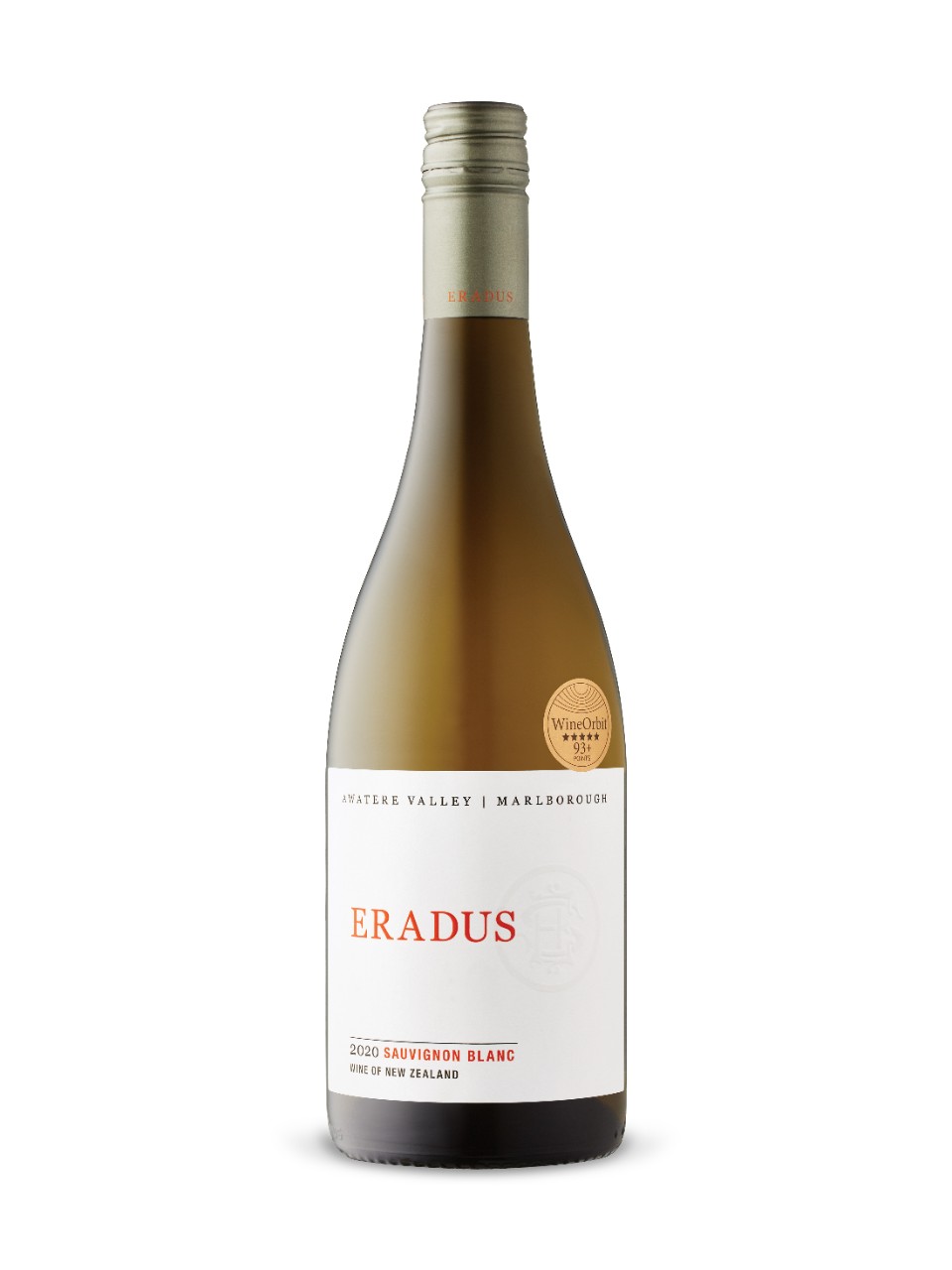
Eradus 2020 Sauvignon Blanc From New Zealand

I remember having dinner with Michiel Eradus in Toronto a few years ago and heard many a good story about New Zealand.

There is no better public relations than meeting and breaking bread with winery owners, vineyard managers and their marketing people. I will never forget that dinner with Michiel and of course will never forget the excellent Pinot Noir and Sauvignon Blanc he makes but it has been a few years since I have delved into them from a reviewer’s perspective.

So why not give a fresh try to his 2020 Sauvignon Blanc which you know is New Zealand’s calling card. You may be more familiar with Oyster Bay or Kim Crawford Sauvignon Blanc which I have consumed in social settings and recall I was not overly impressed. Big names but quality?

Eradus is not a big name but the Liquor Control Board of Ontario regularly carries his Sauvignon Blanc and Pinot Noir so if you want to break away from the big names and give Eradus a sip be brave!

The wine has a golden colour. On the nose very concentrated notes of pear, tangerine, guava and gooseberry. On the palate key lime pie, gushes of citrus and passionfruit. A very long finish. It has just the right amount of acidity.

This is indeed a full-bodied Sauvignon Blanc and would be ideally suited to Ceviche or grilled chicken that has been marinated in lemon, olive oil and dill.

Make the move from Crawford and Oyster Bay and get to experience a classy Sauvignon Blanc. From the Awatere Valley on New Zealand’s South Island. Drink through 2023.

(Eradus 2020 Sauvignon Blanc, Eradus Wines, Marlborough, New Zealand, $19.95, LCBO # 225557 , 13.5%, Robert K. Stephen A Little Birdie Told Me So Rating 94/100).

No Trophy Pinot Noirs For Me: Part 2

Wrapping up our brief foray into what many call the heartbreak grape due to its thin skin and susceptibility to frost damage otherwise known as the Pinot Noir grape.

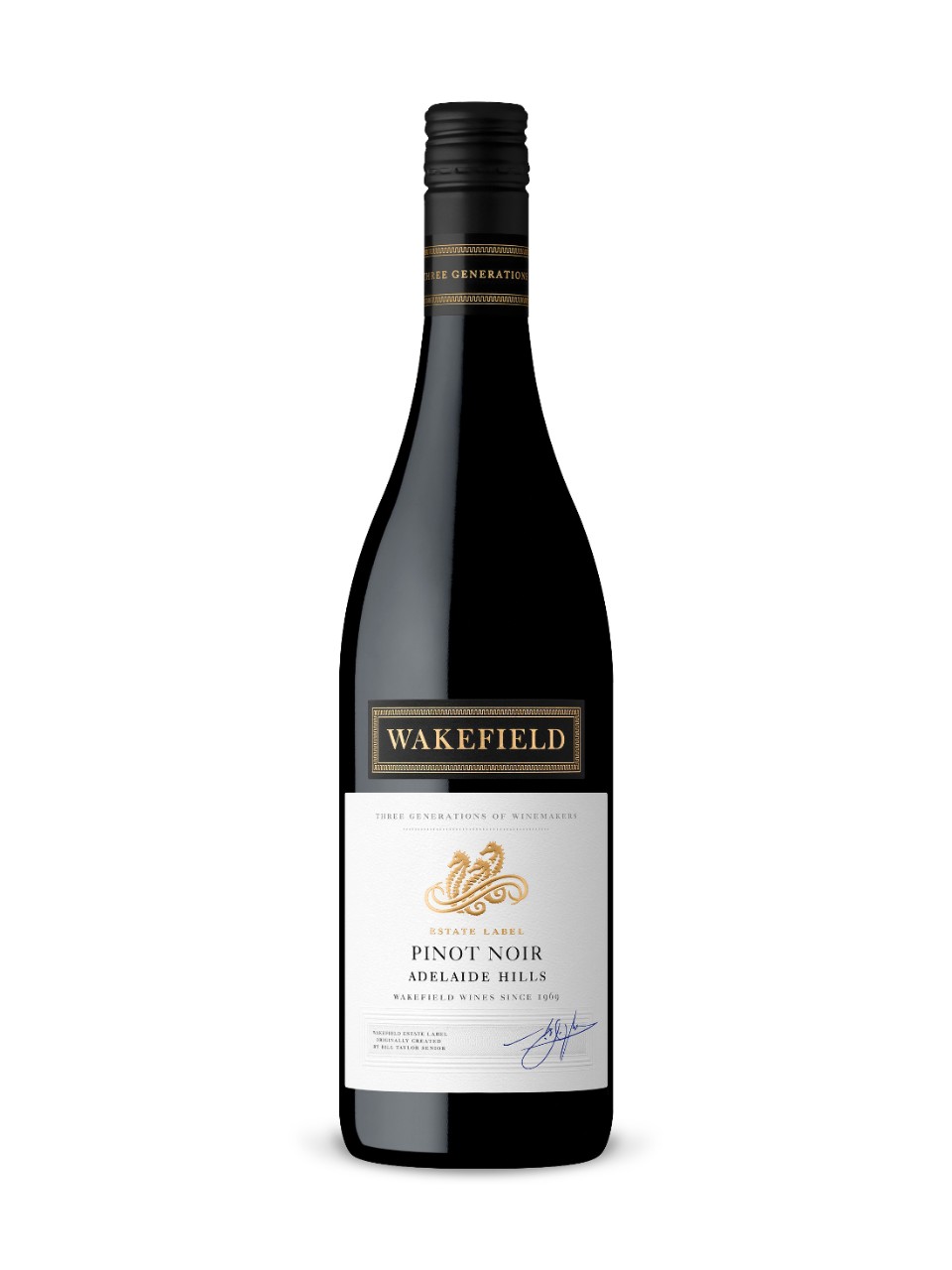
This one is a Wakefield Pinot Noir from Adelaide Hills. It has a light ruby colour. As for aromatics a bit of a classic Pinot Noir nose with raspberry, strawberry and cherry. On the palate the tannins are mild and there is no unwelcome acidity. Not a heck of a lot of fruit on the palate. Instead of strength or elegance we have a beggar on the palate which is all the more disappointing as the nose was promising. Wobbly and dazed red cherry and some disoriented cranberry greets us. Short finish. A Pinot Noir to be avoided. Despite winning a Double Gold at the 2020 China Wine and Spirits Awards this wine fails to inspire.

(Wakefield Adelaide Hills 2018 Pinot Noir, Taylors Wines Auburn, South Australia, $19.95, 750 mL, 14%, Liquor Control Board of Ontario # 197392, Robert K. Stephen, A Little Birdie Told Me So Rating 83/100).

French Burgundian Pinot Noir at a moderate price that delights is a rare find but I keep hoping.

I hope on with a 2018 Domaine des Verchères. It is ruby coloured. Aromas of raspberry and cherry with perhaps too much wood. On the palate some bitter cherry. The acids are not raging but disproportionate. This Pinot Noir is a dud. I would say don’t bother. I am returning to the Liquor Control Board of Ontario for a refund.  I think this a negociant wine i.e, bottled by a middleman as it is bottled by a numbered company. What LCBO buyer would buy this sorry wine? Surely for $23.95 one deserves more than this miserable concoction!

Brazilian Movie “Half Brother” (“Meio Irmão): A Bloodhound Critic Refusing to Be Taken off the Trail

As a reviewer of films, I have a network of distributors and producers that send me films for review purposes. At this point in time it is feast or even “La Grande Bouffe”. I am being recognized as a film critic. Strange considering that Toronto Film Critic’s Association refuses to admit me to their hallowed ranks as I am not a paid film reviewer. Old boy’s club!

In any case with all films for review I receive there is a link to the film and then lots of press materials such as trailers, photos and a synopsis of the film. I always review the synopsis so I can see who the characters are and list them with an initial who they are to make my review process quicker. Is this synopsis  for “Half Brother” correct? Increasingly I see it as overhyped and if I can say exaggerated. Who can I blame? Perhaps this synopsis is a marketing tool to draw me in to the review or it might simply be an interpretation of the film by whoever prepared the synopsis.

In “Half Brother” the synopsis provided seems to indicate a desperate search by a sister and her half brother for their missing mother Suely. My take after seeing the film is there is no desperate search.

Instead it is a exposé of lower middle class life in Sao Paulo.

It is a dead-end existence where at best survival is the name of the game.

Crime is rampant and an attempt is made to combat it by increased surveillance.

Racism is prevalent towards anyone dark skinned.

Drug use is rampant.

There is no future for youth.

Homophobia is rampant.

Murders are out of control.

Brazilian urban society is terminally ill.

The barely coping working class and lower middle class are increasingly desperate.

The Brazilian police force is overwhelmed and inefficient.

Social media is out of control and unregulated.

There is no linear development of a plot here rather a series of diverse thoughts and views of Brazilian society.

I suppose one might call the film “artsy” but note at the São Paulo International Film Festival it won best Brazilian Fiction Feature Film and Best Film by First-Time Director.

It will be available June 15th on Amazon, Vudu and local cable and satellite providers as well as DVD.

Directed by Eliane Costar.

You can see the trailer here https://www.youtube.com/watch?v=LZtVl9IDFLs