“Mutantism on the March” :Chapter 38 “Nicaraguan Miseries Augment”

Moza was fuming at the opposition groups whose indolence had been disrupting industrial production and civil order. They had challenged him to deal with the problems facing the nation rather than lining his pockets. They had the unmitigated audacity to convey their complaints to some of the foreign embassies in Managua. Some of these sassy communist insurgents had the gall to burn his portraits in effigy in the streets of Managua. These insubordinate acts rattled his mental health. He thought this insubordination must be stopped before the communists gathered support and started a slaughter of the simpleminded masses. The country had been dragged remarkably close to the communist abyss years ago but the patriotic motherland capitalists had saved the slide into Bolshevik madness not on the curriculum of the American educated junta. The best way was to eliminate the entire population except for the one percent that could be counted on. Well there was a “Final Solution” called the Moza Plan which was the only way that could stem the communist insurgency. Rufus Moonhead was to be the hatchet man while Moza, the Green Cross, Unifoods and Murky Express were to be the beneficiaries.

The Green Cross recused itself from direct violence being a humanitarian organization they were to continue their kidnapping of children for adoption, organ brokering business and blood sales but their role in the Moza Plan was to portray a scene of total humanitarian misery that could be ameliorated by a mass kidnapping (airlifting to mercy) of Nicaraguan children to a “peaceful” country like the USA. There they would be adopted by those “who could provide an adequate standard of living to overcoming the terrible trauma of war and poverty”. The best Madison Avenue advertising firms were enlisted in the campaign to “save the children”. With their advertising campaign of top-notch charity porn the middle class Americans were sobbing at the fly covered Nicaraguan children who were actually paid Mexican actors. Applications to the Green Cross for Nicaraguan adoptions flooded in. For certain “administrative fees” a Nicaraguan child could be adopted. Green Cross was raking in huge profits as Nicaraguan parents complained bitterly of child abduction being greeted by cries of treason! Suddenly there was a shortage of children in Nicaragua. This delighted Moza who took a 10% cut of the adoption “administrative fees”.

Emergency Orders in Ontario to bolster teetering hospitals

NEWS RELEASE

Ontario Supporting Health System Response During Third Wave of COVID-19

Action being taken to maximize capacity and preserve resources needed to care for patients

April 9, 2021

Health


Table of Contents

  1. Content
  2. Quick Facts
  3. Additional Resources
  4. Related Topics

TORONTO — In response to the recent and rapid rise in hospitalizations, ICU admissions and the threat to the province’s critical care capacity, the Ontario government is issuing two emergency orders under the Emergency Management and Civil Protection Act (EMCPA). These orders will maximize system capacity, ensuring that hospitals have the resources required to provide care for patients and save lives.

These temporary emergency orders will support the redeployment of health care professionals and other workers currently working in Ontario Health and Home and Community Care Support Services organizations to hospitals. They will also provide hospitals with the flexibility to transfer patients to alternate hospital sites in situations where a hospital’s resources are at significant and immediate risk of becoming overwhelmed. These orders, along with additional measures being taken, are expected to increase ICU capacity in the province by up to 1,000 patient beds.   

“With Ontario’s hospitals facing unprecedented critical care capacity pressures during the third wave of the COVID-19 pandemic, our government is taking immediate action to ensure no capacity nor resource in Ontario’s hospitals goes untapped,” said Christine Elliott, Deputy Premier and Minister of Health. “Together with the provincewide Stay-At-Home Order, these measures will help to ensure that hospitals continue to have the staffing and resources they need to care for patients. We continue to work with our hospital and health care partners to fight this deadly virus, and I want to thank all of Ontario’s frontline health care workers for their tireless work each day to protect the health and safety of Ontarians.”

Over the last year, the government has made significant investments and efforts to build capacity and maintain the integrity of Ontario’s health care system, including investing $5.1 billion to support hospitals, creating over 3,100 more hospital beds. However, as Ontario, like other provinces and jurisdictions around the world, combats the third wave of the COVID-19 pandemic and deadly variants, further action is needed to allow hospitals to maximize capacity and ensure patients are receiving the most appropriate care. 

Effective immediately, similar to orders previously introduced, Home and Community Care Support Services organizations (formerly LHINs) and Ontario Health will be provided the authority and flexibility to voluntarily deploy staff, such as care coordinators, nurses, and others, to work in team-based models in hospitals that are experiencing significant capacity pressures due to COVID-19. In addition, Home and Community Care Support Services organizations will now be authorized to deploy staff to backfill redeployed staff within and to another Home and Community Care Support Service organization.

In addition, the government is taking action to better leverage Ontario’s hospital system as one connected resource, improving the ability of hospitals to respond to the most emergent and acute needs so that all patients can receive the most appropriate care in the right setting. During major surge events where the demand for critical care threatens to overwhelm a hospital, the province will allow hospitals the flexibility to transfer patients to alternate hospital sites without obtaining the consent of the patient or, where the patient is incapable, their substitute decision maker. Hospitals may rely upon this order to facilitate the transfer of a patient to an alternate hospital site only when necessary to respond to a major surge event, when the attending physician is satisfied that the patient will receive the care they require at that other site and that the transfer can be effected without compromising the patient’s medical condition, and where all of the other conditions specified within the order have been met.

As soon as possible following the conclusion of the major surge event, the alternate hospital site would be required to make reasonable efforts to transfer the patient back to the original hospital site or to another suitable care location which is consented to by the patient or substitute decision maker.

Effective Monday, April 12, 2021, Ontario Health has also instructed hospitals to ramp down all elective surgeries and non-urgent activities in order to preserve critical care and human resource capacity. At this time, the ramp down instruction does not apply to the Northern Ontario Health Region. Pediatric specialty hospitals can also continue their plans to care for children and youth and may help if required to support other regional hospitals.

“Since the beginning of the COVID-19 pandemic, hospitals and health care providers have worked tirelessly and thanks to their efforts, have allowed our province to protect Ontarians and provide care for patients,” said Matthew Anderson, CEO of Ontario Health. “These are challenging times for all Ontarians, and we understand that deferring scheduled surgeries and other procedures will have an impact on patients, their families and on caregivers. We are monitoring the situation and will work to resume as soon and as safely as possible these deferred services and procedures.”

These time-limited orders remain valid for 14 days unless revoked or extended in accordance with the Emergency Management and Civil Protection Act and will come into effect on Friday, April 9, 2021.


Quick Facts

  • COVID-19 related ICU admissions are already over the peak of wave two and as of April 9, 2021, there are 552 patients in ICU due to COVID-related critical illness, and ICU occupancy provincewide has already surpassed 81 per cent. Modelling data predicts that this number will pass 600 within the next week.
  • On April 7, the Ontario government, in consultation with the Chief Medical Officer of Health and other health experts, declared a third provincial emergency under s 7.0.1 of the Emergency Management and Civil Protection Act (EMPCA).
  • Effective Thursday, April 8, 2021 at 12:01 a.m., the government issued a province-wide Stay-at-Home order requiring everyone to remain at home except for specified purposes, such as going to the grocery store or pharmacy, accessing health care services (including getting vaccinated), for outdoor exercise, or for work that cannot be done remotely.
  • The government has invested over $5.1 billion to support hospitals since the start of the pandemic, creating more than 3,100 additional hospital beds. This includes 185 beds at Mackenzie Health’s Cortellucci Vaughan Hospital, which has been temporarily transitioned into a systemwide resource supporting the province’s COVID-19 response. Working with Sunnybrook Health Sciences Centre, the province is setting up a Mobile Health Unit that will be available this month, and site work for a Mobile Health Unit is underway at Hamilton Health Sciences.
  • As part of the province’s $2.8 billion fall preparedness plan, the government invested $283.7 million to assist the health system’s ongoing efforts to reduce surgery backlogs, and $457.5 million to ensure that the health system is prepared to respond to any waves or surges of COVID-19 without interrupting routine health services.

El Tequileño Reposado Gran Reserva Tequila

As far as spirits go Tequila does not hit my ranking at all. That is not Tequila’s fault but mine perhaps as a result of memories of not so good Tequila in Mexico years ago. But I will admit it crawled from the pages of “Under the Volcano” by Malcom Lowry into superstar status in the United States becoming a huge seller in the last decade. 2020 saw tequila sales in the USA increase by 22% from 2019. In Canada Tequila at last account is in eighth place of spirits consumed.

The El Tequileño costs a stiff $89.95 at the Liquor Control Board of Ontario. It is a Reposado which ranks above Blancos and Jovens but below Añejo and Extra Añejo. At $89.95 for 750 mL I think one has to try it neat as the ultimate test is how it stands on its two feet without being consumed in a cocktail.

It has a pale gold colour. On the nose honey, butterscotch, grapefruit, pineapple and a hint of banana. On the palate despite the burn from the alcohol it is surprisingly smooth. Strong notes of pear, sweet white grapefruit with secondary notes of tangerine, honeycomb and Portuguese custard tarts. Long slow burn of a finish.

Reposado Tequila is aged in American or European oak barrels for at least two months to 1 year. The El Tequileño Reposado Gran Reserva Tequila has been aged at least 8 months in American oak and blended with a small amount of Añejo which has been aged in American oak. It is made from 100% Blue Agave from the premium growing region of Los Altos de Jalisco and mineral rich water from El Volcan de Tequila.

So how do you consume this premium Tequila? Some say it suits Margaritas but at this price I say it deserves to be tried at least initially, neat and naked. It would appeal to those who like single malts and high blended Scotch whiskies or Irish pot stilled whisky. But unlike Scotch or Bourbon there is very little sweetness. I prefer my Scotch and Bourbon neat and I will take this Tequila the same way.

Now when to consume? It could be served slightly chilled to start the feast or after the feast with a dessert influenced by honey such as many a Greek dessert or Mexican honey cakes.. As my knowledge of Mexican food is scandously low I dare not make any suggestions as to food pairings although I understand the El Tequileño private jet is ready to pick me up and educate me for a week on their Tequilas with Jalisco’s best food!

You may be used to me rating wines and beer but as a newbie to Tequila it is best not to venture there. What I can say this is a quality spirit that deserves your attention. Being frank I would require an intensive media trip to be able to speak with authority on Tequila. While EU countries take me here and there for wine tastings I am waiting for the Mexicans to do the same. My personal jet is in the hangar for maintenance for the next month.

Wallowing in ignorance I say give this Tequila a try. There is more to life than Scotch and Bourbon neat!

Pregnancy and the COVID Vaccine

COVID-19 Vaccines and Pregnancy

The ethics and safety of COVID vaccines for pregnant people

Q&A WITH RUTH FADEN, ELANA JAFFE, CARLEIGH KRUBINER, AND CHIZOBA WONODI | MARCH 29, 2021

This article originally appeared on the Johns Hopkins University Coronavirus Resource Center.

Globally, over 200 million people are pregnant each year. Whether they should be offered the new COVID vaccines as they become available is an important public health policy decision. Whether pregnant people should seek vaccination is a deeply personal decision.

Are pregnant people at higher risk of developing severe COVID?

Evidence to date suggests that people who are pregnant face a higher risk of severe disease and death from COVID compared to people who are not pregnant. For instance, pregnant people are three times more likely to require admission to intensive care and to need invasive ventilation. The overall risk of death among pregnant people is low, but it is elevated compared to similar people who are not pregnant. Some studies suggest that COVID in pregnancy might be associated with increased rates of preterm birth.

Our understanding of the probability and severity of harms from SARS-CoV-2 infection in pregnancy is evolving. The pandemic has been ongoing for just over a year, which limits what can currently be known about the health risks of COVID for pregnant people, and especially their offspring. Whether SARS-CoV-2 infection in pregnancy poses risks to the developing fetus remains underdetermined. Current evidence suggests that transmission of SARS-CoV-2 to the fetus is rare. However, severe maternal illness can have serious implications for the fetus. For example, fevers during early pregnancy have in some studies been associated with increased risk for certain birth defects. Since the pandemic has only been with us for just over a year, there are no data yet on long-term childhood outcomes for offspring exposed in utero.

There are still significant unknowns: How do risks vary by trimester? What are the risks of asymptomatic infection? Further, most current information about COVID and pregnancy comes from high-income countries, limiting its global generalizability

Do we know if COVID vaccines are safe in pregnancy?

At this point, tens of thousands of pregnant people have received COVID vaccines globally, including in the U.S., Canada, the U.K., and Israel. Thus far, there have been no reports suggestive of concern. Additionally, none of the vaccines that have thus far been authorized for use in the U.S.—the Pfizer-BioNtech, Moderna, and Johnson & Johnson/Janssen vaccines, as well as the Oxford-AstraZeneca vaccine authorized in other countries—contain live or replication-competent viruses. Therefore, it is extremely unlikely that a vaccine virus could replicate, cross the placenta, and infect the fetus. However, more research is needed in order to better characterize the safety profile of each COVID vaccine in pregnancy.

Although there is not yet pregnancy-specific data about COVID vaccines from clinical trials, the vaccines have been studied in pregnant laboratory animals. Called developmental and reproductive toxicity (DART) studies, research with pregnant animals can provide reassurance about moving forward with vaccine research in pregnant people. There are no concerning signals from DART study data for the Pfizer-BioNtech, Moderna, Johnson & Johnson/Janssen, and preliminary DART data for the Oxford-AstraZeneca vaccines. Small numbers of participants in the research trials for these vaccines have become pregnant. No concerning risk signals in those pregnancies have been reported.

All three of these vaccines offer a very high level of protection against severe COVID. There is little reason to believe these vaccines will be less effective in pregnant people than they are in people of comparable age who are not pregnant.

What positions have different national and global authorities taken on pregnant people and COVID vaccines that are authorized for use?

The absence of pregnancy-specific data for COVID vaccines has made regulatory and public health decision-making complicated. Largely due to the absence of evidence, most public health agencies have held back on making explicit recommendations on COVID vaccine administration in pregnancy. In the U.S., Canada, the U.K., and several other countries, the position of the relevant public health authority is that pregnant people who otherwise qualify for an authorized vaccine—such as pregnant people who are health care workers or members of other prioritized essential workforces—should be permitted to make their own decisions about vaccination, based on their assessment of whether the prospect of benefit to them and their offspring outweighs the risks. This is also the position of the World Health Organization for the vaccines they have thus far evaluated. In Israel, the Ministry of Health and Vaccines Prioritization Committee recommended vaccination for pregnant people in their second or third trimester. Most jurisdictions in the U.S. are already offering the vaccine to pregnant people given higher COVID risk in pregnancy, including the District of Columbia, Pennsylvania, and Mississippi.

What do obstetricians say about COVID vaccines and pregnancy?

Professional societies, such as the American College of Obstetricians and Gynecologists, the Society for Maternal-Fetal-Medicine, and the Royal College of Obstetricians and Gynaecologists, all support COVID vaccination in pregnancy when the benefits outweigh the risks.

How should pregnant people think about the benefits and risks?

The major benefit of the Pfizer-BioNtech, Moderna, Johnson & Johnson/Janssen, and Oxford-AstraZeneca vaccines to all people, pregnant or not, is that being vaccinated provides a high level of protection against serious illness from COVID.

How important the protective benefit of COVID vaccination is to any individual pregnant person depends on how likely they are to get infected, and how likely they are to get seriously ill, if infected. Pregnant people differ in how likely they are to get infected. A person’s risk of becoming infected depends on at least three things: 1) whether their job puts them at risk of infection; 2) the rate of transmission in their community; and 3) who they live with, especially whether they live with people who are at increased risk because of their jobs, or in a crowded home or densely populated neighborhood. For example, people whose jobs require them to be in regular contact with many people are at higher risk of infection than people who can work from home. Similarly, people who live with other people who also work outside the home are at greater risk than people who live alone or only with others who also work or attend school from home.

Pregnant people also differ in how likely they are to get seriously ill with COVID, if they become infected. While pregnancy by itself is a risk factor for serious illness, some medical conditions like diabetes, heart disease, or being very overweight are even greater risk factors. People who are pregnant and also have high-risk medical conditions are more likely to develop severe COVID if they become infected than pregnant people who do not have those medical conditions.

Pregnant people should also consider whether they have access to alternative modes of protection from infection. Questions to ask include: Can they take a leave from work or be temporarily transferred to a lower-risk job; do they have access to high quality personal protective equipment; and, if someone in their household gets infected or exposed, is there a way for that person to safely isolate away from others?

Resources, including provider information sheetsconversation guides, and decision aids, have been developed to facilitate the values-driven and context-dependent calculations that pregnant people face in the coming months.

When are we likely to get data from pregnant people?

Some people prioritized for vaccination have received COVID vaccines while pregnant, and data about their pregnancies are being collected by public health agencies. Registries are being established in multiple countries to capture the experiences of pregnant people who are receiving COVID vaccines. At least one developer, Pfizer-BioNTech, has begun a pregnancy-specific trial for their vaccine, which will enroll 4,000 pregnant people across nine countries.

What is wrong with this picture?

The absence of pregnancy-specific data around COVID vaccines continues an unfair pattern in which evidence about safety of new vaccines for pregnant people lags behind. This unfairness is ethically problematic in at least two important ways.

First, people may be denied vaccine, or may face barriers in accessing vaccine, because they are pregnant. Public health agencies globally have struggled to determine the most ethical position regarding whether to allow pregnant people to receive COVID vaccines in the absence of pregnancy-specific data. While there is still limited evidence on the safety of currently authorized vaccines in pregnancy, with high vaccine efficacy, no risk signals from studies in pregnant animals, and few biologically plausible risks, the permissive approach that most health authorities have taken enabling individuals to decide for themselves is ethically appropriate.

However, in some settings—whether by policy guidance, local guidelines, or even individual provider reticence—a lack of evidence may mean that pregnant people will face unfair denial of highly effective vaccines from which they stand to benefit.

Second, even when pregnant people are eligible for vaccination, because public health authorities have not explicitly recommended COVID vaccines in pregnancy, the burden of making decisions about vaccination has shifted to pregnant people. Evidence gaps shift the responsibility for associated risk more squarely to pregnant people, where their nonpregnant peers have an evidence base and a public health recommendation to back up their vaccination decision. While endorsement from medical professional societies is helpful, without pregnancy-specific evidence or explicit pregnancy recommendations, there is also the risk that pregnant people’s decisions will be biased by the strong risk distortions that are known to be present in the context of pregnancy.

Hopefully, the evidence necessary for public health agencies to make clear, full-throated recommendations about the use of at least some COVID vaccines in pregnancy will be forthcoming in the coming months. Efforts are underway to encourage developers of vaccines not yet approved for use to move more quickly to conduct studies with pregnant people and otherwise undertake efforts to systematically generate evidence on the safety of their products in pregnancy. We will continue to update this brief, as new data and new policies become available, both for the vaccines discussed here and for additional vaccines that will shortly be evaluated for use in public health programs.

Ruth Faden, PhD, MPH, is the founder of the Johns Hopkins Berman Institute of Bioethics and was its director from 1995 until 2016. She is a professor in Health Policy and Management.

Carleigh Krubiner, PhD, is an associate faculty member at the Johns Hopkins Berman Institute of Bioethics

Chizoba Wonodi, DrPh ’09, MPH ’04, is an associate scientist in International Health and the Nigeria Country Director for the International Vaccine Access Center.

A Primer on Herd Immunity

What is Herd Immunity and How Can We Achieve It With COVID-19?

Stopping SARS-CoV-2 will require a substantial percentage of the population to be immune.

BY GYPSYAMBER D’SOUZA AND DAVID DOWDY | UPDATED APRIL 6, 2021

When the coronavirus that causes COVID-19 first started to spread, virtually nobody was immune. Meeting no resistance, the virus spread quickly across communities. Stopping it will require a significant percentage of people to be immune. But how can we get to that point?

In this Q&A, Gypsyamber D’Souza, PhD ’07, MPH, MS, and David Dowdy, MD, PhD ’08, ScM ’02, explain how the race is on to get people immune by vaccinating them before they get infected.


What is herd immunity?

When most of a population is immune to an infectious disease, this provides indirect protection—or population immunity (also called herd immunity or herd protection)—to those who are not immune to the disease.

For example, if 80% of a population is immune to a virus, four out of every five people who encounter someone with the disease won’t get sick (and won’t spread the disease any further). In this way, the spread of infectious diseases is kept under control. Depending how contagious an infection is, usually 50% to 90% of a population needs immunity before infection rates start to decline. But this percentage isn’t a “magic threshold” that we need to cross—especially for a novel virus. Both viral evolution and changes in how people interact with each other can bring this number up or down. Below any “herd immunity threshold,” immunity in the population (for example, from vaccination) can still have a positive effect. And above the threshold, infections can still occur.

The higher the level of immunity, the larger the benefit. This is why it is important to get as many people as possible vaccinated.

How have we achieved herd immunity for other infectious diseases?

Measles, mumps, polio, and chickenpox are examples of infectious diseases that were once very common but are now rare in the U.S. because vaccines helped to establish herd immunity. We sometimes see outbreaks of vaccine-preventable diseases in communities with lower vaccine coverage because they don’t have herd protection. (The 2019 measles outbreak at Disneyland is an example.)

For infections without a vaccine, even if many adults have developed immunity because of prior infection, the disease can still circulate among children and can still infect those with weakened immune systems. This was seen for many of the aforementioned diseases before vaccines were developed.

Other viruses (like the flu) mutate over time, so antibodies from a previous infection provide protection for only a short period of time. For the flu, this is less than a year. If SARS-CoV-2, the virus that causes COVID-19, is like other coronaviruses that currently infect humans, we can expect that people who get infected will be immune for months to years. For example, population-based studies in places like Denmark have shown that an initial infection by SARS-CoV-2 is protective against repeat infection for more than six months. But this level of immunity may be lower among people with weaker immune systems (such as people who are older), and it is unlikely to be lifelong. This is why we need vaccines for SARS-CoV-2 as well.

What will it take to achieve herd immunity with SARS-CoV-2?

As with any other infection, there are two ways to achieve herd immunity: A large proportion of the population either gets infected or gets a protective vaccine. What we know about coronavirus so far suggests that, if we were really to go back to a pre-pandemic lifestyle, we would need at least 70% of the population to be immune to keep the rate of infection down (“achieve herd immunity”) without restrictions on activities. But this level depends on many factors, including the infectiousness of the virus (variants can evolve that are more infectious) and how people interact with each other.

For example, when the population reduces their level of interaction (through distancing, wearing masks, etc.), infection rates slow down. But as society opens up more broadly and the virus mutates to become more contagious, infection rates will go up again. Since we are not currently at a level of protection that can allow life to return to normal without seeing another spike in cases and deaths, it is now a race between infection and injection.

What are the possibilities for how herd immunity could play out?

In the worst case (for example, if we stop distancing and mask wearing and remove limits on crowded indoor gatherings), we will continue to see additional waves of surging infection. The virus will infect—and kill—many more people before our vaccination program reaches everyone. And deaths aren’t the only problem. The more people the virus infects, the more chances it has to mutate. This can increase transmission risk, decrease the effectiveness of vaccines, and make the pandemic harder to control in the long run.

In the best case, we vaccinate people as quickly as possible while maintaining distancing and other prevention measures to keep infection levels low. This will take concerted effort on everyone’s part. But if we continue vaccinating the population at the current rate, in the U.S. we should see meaningful effects on transmission by the end of the summer of 2021. While there is not going to be a “herd immunity day” where life immediately goes back to normal, this approach gives us the best long-term chance of beating the pandemic.

The most likely outcome is somewhere in the middle of these extremes. During the spring and early summer (or longer, if efforts to vaccinate the population stall), we will likely continue to see infection rates rise and fall. When infection rates fall, we may relax distancing measures—but this can lead to a rebound in infections as people interact with each other more closely. We then may need to re-implement these measures to bring infections down again.

Will we ever get to herd immunity?

Yes—and hopefully sooner rather than later, as vaccine manufacturing and distribution are rapidly being scaled up. In the United States, current projections are that we can get more than half of all American adults fully vaccinated by the end of Summer 2021—which would take us a long way toward herd immunity, in only a few months. By the time winter comes around, hopefully enough of the population will be vaccinated to prevent another large surge like what we have seen this year. But this optimistic scenario is not guaranteed. It requires widespread vaccine uptake among all parts of the population—including all ages and races, in all cities, suburbs, and countrysides. Because the human population is so interconnected, an outbreak anywhere can lead to a resurgence everywhere.

This is a global concern as well. As long as there are unvaccinated populations in the world, SARS-CoV-2 will continue to spread and mutate, and additional variants will emerge. In the U.S. and elsewhere, booster vaccination may become necessary if variants arise that can evade the immune response provoked by current vaccines.

Prolonged effort will be required to prevent major outbreaks until vaccination is widespread. Even then, it is very unlikely that SARS-CoV-2 will be eradicated; it will still likely infect children and others who have not been vaccinated, and we will likely need to update the vaccine and provide booster doses on some regular basis. But it is also likely that the continuing waves of explosive spread that we are seeing right now will eventually die down—because in the future, enough of the population will be immune to provide herd protection.

What should we expect in the coming months?

We now have multiple effective vaccines, and the race is on to get people vaccinated before they get infected (and have the chance to spread infection to others). It is difficult to predict the future because many factors are at play—including new variants with the potential for increased transmission, changes in our own behavior as the pandemic drags on, and seasonal effects that may help to reduce transmission in the summer months. But one thing is certain: The more people who are vaccinated, the less opportunity the virus will have to spread in the population, and the closer we will be to herd immunity.

We have seen that the restrictions needed over time have varied as preventive measures have worked to drive infection rates down, but we have also seen these rates resurge as our responses have relaxed. Once we get enough people vaccinated to drive down infection rates more consistently, we should be able to gradually lift these restrictions. But until the vaccine is widely distributed and a large majority of the population is vaccinated, there will still be a risk of infection and outbreaks—and we will need to take some precautions.

In the end, though, we will build up immunity to this virus; life will be able to return to “normal” eventually. The fastest way to get to that point is for each of us to do our part in the coming months to reduce the spread of the virus—continue to wear masks, maintain distance, avoid high-risk indoor gatherings, and get vaccinated as soon as a vaccine becomes available to us.

Gypsyamber D’Souza is a professor and David Dowdy an associate professor in Epidemiology at the Bloomberg School.https://www.youtube.com/embed/HfRN-UjEeZo?enablejsapi=1&rel=0&origin=https://www.jhsph.edu&showinfo=0

COVID in Bangladesh; Not Much Compassion

In Bangladesh, Plenty of Vaccines but Few Takers

April 5, 2021

Photo of Brian Simpson

BRIAN W. SIMPSONEDITOR-IN-CHIEF   

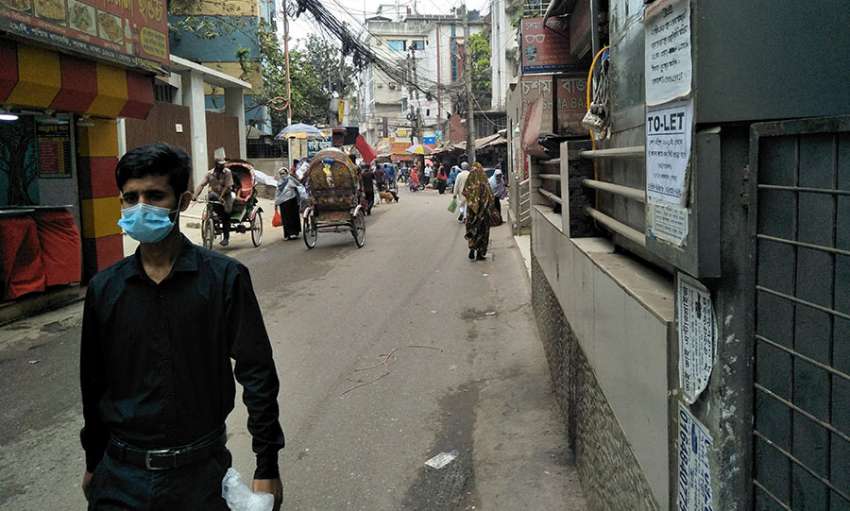
West Dhanmondi, Dhaka, March 31, 2021. Image:Taufique Joarder

Image creditWest Dhanmondi, Dhaka, March 31, 2021. Image:Taufique Joarder

A speedy vaccine rollout is Bangladesh’s shining victory during the pandemic, but there aren’t enough takers for the shots, says Taufique Joarder, MBBS, DrPH, MPH, executive director of the Public Health Foundation, Bangladesh. Even as the country negotiated quick access to vaccines, it didn’t prioritize distribution planning and communications.

The paradox is one of many for the country’s COVID-19 response, including a lockdown that was called a “general holiday” as well as doctors locked out of their apartments by fearful landlords.

Joarder, who lives in Dhaka, shares insights on Bangladesh’s surging case numbers and other issues for Global Health NOW’s COVID Countries series.

Bangladesh

Cases: 611,295

Deaths: 9,046

Source: Johns Hopkins (as of April 1, 2021)

The Big Picture

In the past couple of weeks, suddenly, the numbers increased. I guess a couple of weeks ago, we had perhaps 100 or so cases per day, but today [March 26] it was 3,587 cases and 34 deaths. We don’t have a very reliable data. In the absence of a way to really verify, we just rely on what the government says. It can be an artifact of increased testing.

I heard from people working in government, medical, primary health care centers and rural areas that whenever there was a surge in cases, they received informal government directives that said, don’t send your patients for testing, give them some medications. Because when it is tested, it’s kind of difficult to hide the numbers.

The Mood in Bangladesh

If you go outside, I mean, you won’t see any difference with from the like, pre-COVID situation. People are all around everywhere.

There was no good information like what can happen, what you can do, what you cannot do. Nothing was there. As a result, we read news articles like children deserting their elderly parents who had coughing, for example. They just deserted them in a jungle so that they can’t return home. That happened.

I heard from so many of my doctor colleagues, physician colleagues, that they were actually driven out of their homes and they did not have any place to go because their landlord said, “Oh, you will bring in the coronavirus in our apartment.”

Government Response

Bangladesh does not have a very effective public health system. So firstly, the response was very clinical centric, all hospital centric. There was no effective communication. Secondly, the response was very much administrative rather than scientific.

During Eid [the Muslim religious holiday], traditionally, the Eid prayer is held in open places. [The government] gave us another directive to say your prayer in a mosque rather than in open places. Their directive was totally opposed to the scientific knowledge we had at that time [May 2020]. We were surprised. The scientific leadership was not really there.

Lockdown

They started lockdown on 26th of March and said it would last for one week. They just kept on increasing the time of the lockdown every week. People were not prepared to stay home for a longer time. And as a result, there had never been an effective lockdown in Bangladesh.

The government also did not use the term “lockdown.” They used “general holiday.” Some of my acquaintances used this general holiday as an opportunity to go to vacations to tourist places. A few got married. And when there is a wedding ceremony in Bangladesh, you have like thousands of people coming. And that’s what exactly happened.

Vaccine Situation

The one good thing is that Bangladesh procured the vaccine quite early. They started vaccination on January 27. And they started vaccinating people in a larger scale from 7  February.

Interestingly, instead of like government procurement or going to COVAX, the government engaged a private pharmaceutical company to procure it for them. And it did not follow any, any transparent procedures.

Nobody really knew how this vaccine is going to be distributed, who is going to get the vaccine, or anything like that. When they started rolling out, they found that there was not many recipients, and they decreased the age bar from 55 to 40 years. Enthusiasts rushed in, and government was happy to call it a success. But after a few weeks, vaccination centers became almost empty again. My wife went to get vaccine just 2 days ago. And she reported that nobody was there in the vaccine center.

Expatriate Workers

In the beginning, it was termed a disease of the expatriates. Bangladesh has a lot of expatriate workers working in Middle East and Southeast Asian countries, Europe. So, when they returned, [the government] should have actually arranged good quarantine facilities. Instead, the government raised a red flag over the houses of the people who came from abroad. This stigmatized them and their family.

Worst Time

I would say the worst time was actually the early days. We were all confused. The whole city was like a ghost city. Nobody knew what’s happening. Nobody knew who is in charge. So it was actually a terrible time.

Positive Moment

A positive moment is actually the vaccination. That was the only time we praised the government for taking very rapid actions. I got the vaccine. My friends are living in different countries, most of them said they need to wait at least four or five months before they get the vaccine, but we got the vaccine.

What’s happening in your country? To be part of GHN’s COVID Countries series, email Brian at bsimpso1 [at] jhu.edu.

Join the 50,000+ subscribers in 170+ countries who rely on Global Health NOW summaries and exclusive articles for the latest public health news. Sign up for our free weekday enewsletter, and please share the link with friends and colleagues: https://www.globalhealthnow.org/subscribe

Is it Worth it to Get More of Tom Gore?

$19.95 for a California Cabernet Sauvignon? I think its possible if you stay away from Napa, Sonoma and the Russian River Valley. I this case the Tom Gore label says it is a California Cabernet Sauvignon which means all the grapes can come from all over California. So it pays for Mr. Gore to know the product of his growers. There are savvy buyers of grapes In California like Phillip Zorn who have in my past produced some amazing inexpensive wines knowing the growers so well.

How about Tom Gore? Do you buy some more or snore? Decently focused aroma of blueberry, black cherry and blackberry with faint wafts of smoke. On the palate smooth with minimal tannins like a wine you can bring open, let it settle down for a few hours, uncork and enjoy immediately. Gentle notes of blueberry and blackberry in a relaxed finish. Very appropriate for your week-end barbeque both before the food is served and for your meal. I think lamb burgers might match the essential softness of the wine. As for grilled steak it is too dainty. It could suit the cult beer can chicken. Assuming if we have real live football great for a tail gate party.

So get more Tom Gore and forget the snore.

(Tom Gore Vineyards 2019 California Cabernet Sauvignon, Tom Gore Vineyards, Acampo, California, $19.95, Liquor Control Board of Ontario # 451336, 750 mL, 13.5%, Robert K. Stephen A Little Birdie Told Me So Rating 89/100).

Poetry Corner: “Casino Covid In Canada”

Casino Covid in Canada

Caught in the slot machine blur
Anti vaxxers be prepared for a nasty slur
hoping for the jackpot of herd immunity
the saviour of the community
the three cherries of untested vaccines in the long term
which could be worse than the germ
as the RNA composition of Pfizer and Moderna messes with our genes
Holy Shit where were the simpler days of Captain Kangaroo and Mr. Green Jeans
displaced by the politico-medico teams
desperately trying the placate the panicked screams
opening and closing duplicating and replicating surges and waves
killing and maiming more
turning science as their excuse and weapon
misjudged again and again
ruining the economy and the health of all
crazy focus on a virus
but in a casino you know who wins
it is always the house
which will be voting about your performance in the next election
and according to the latest polls means you’ll be delivered a nasty blow to your midsection
and today’s brilliant observation by Ontario Premier Doug Ford
That we are going to get through this
of course we are
just a question of when and what will be the economic and social carnage
and who will be put to blame
for starters Canada’s dismal vaccination rate
must be an embarrassing state for all
will we ever be told the truth ?
Perhaps we know it already?
you know politics is a dirty game
perhaps the political and medico elite did their best but some will get the blame

Robert K. Stephen

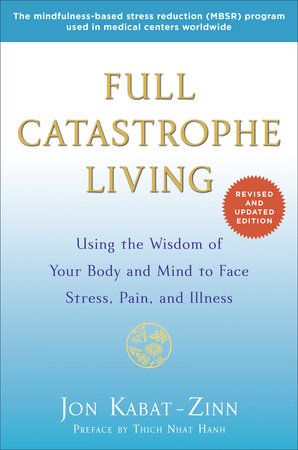
Jon Kabat-Zinn’s “Full Catastrophe Living”; a second way of practicing mindfulness

“The second way of practicing using the breath is to be mindful of it from time to time during the day, or even all day long, wherever you are and whatever you are doing. In this way the thread of meditative awareness, including the physical relaxation, the emotional calm, and the insight that come with, is woven into every aspect of your daily life. We call this informal meditation practice, but is easily neglected and loses much of its ability to stabilize the mind if it is not combined with regular meditation practice.”

Susan Cain’s “Quiet”; introverts vs. extroverts

“Introverts think before they act, digest information thoroughly, stay on task longer, give up less easily, and work more accurately. Introverts and extroverts also direct their attention differently: if you leave them to their own devices, the introverts tend to sit around wondering about things, imagining things, recalling events from their past, and making plans for the future. The extroverts are more likely to focus on what’s happening around them. It’s as if extroverts are seeing “what is” while their introverted peers are asking “what if”.”