RKS Japanese Literature: Used Bathwater from the Prison (Nagai Kafū)

“And on sultry summer evenings, peering through sparse reed blinds, I have had a clear view of the secrets of these people’s households. How well I recall passing by here on afternoons where the prisoner’s used bathwater would gush down the drainage ditches below the tenement’s windows, raising clouds of foul-smelling steam. It must be the same even now. Most shocking of all were the local housewives with scabrous babies on their backs, seizing the opportunity to make use of the hot water on cold, clear days, to wash things in the ditches as they chattered away with mouthfuls of crooked teeth, or in the summertime scattering the stinking water on the road.”

Nagai Kafū, “Behind the Prison”.

RKS Japanese Literature: The Pure Art of Conversation Lost on People Like This (Nagai Kafū)

“Now the argument centres on him until the evening dishes line up beneath the dusky lamp-boiled beans, pickled vegetables, a stew of fish bones and scallions, and a rice tub smeared with dirty fingerprints. Gathered around their flimsy table, the family talk about uncle so-and-so, who showed up wanting to know the cost of Mother’s medicine in the spring. They talk about how the wife’s father lost his job. They talk about their everyday expenses. The family’s mouths were formed for only two purposes: to eat food and complain endlessly about the hardships of life. Whether they are impoverished or not it amounts to the same thing. The pure art of conversation for its own sake is lost on people like this. They have no need for language for anything other than seeking advice, complaining, harping on the same old stories and quarrelling.”

Nagai Kafū, “Behind the Prison”.

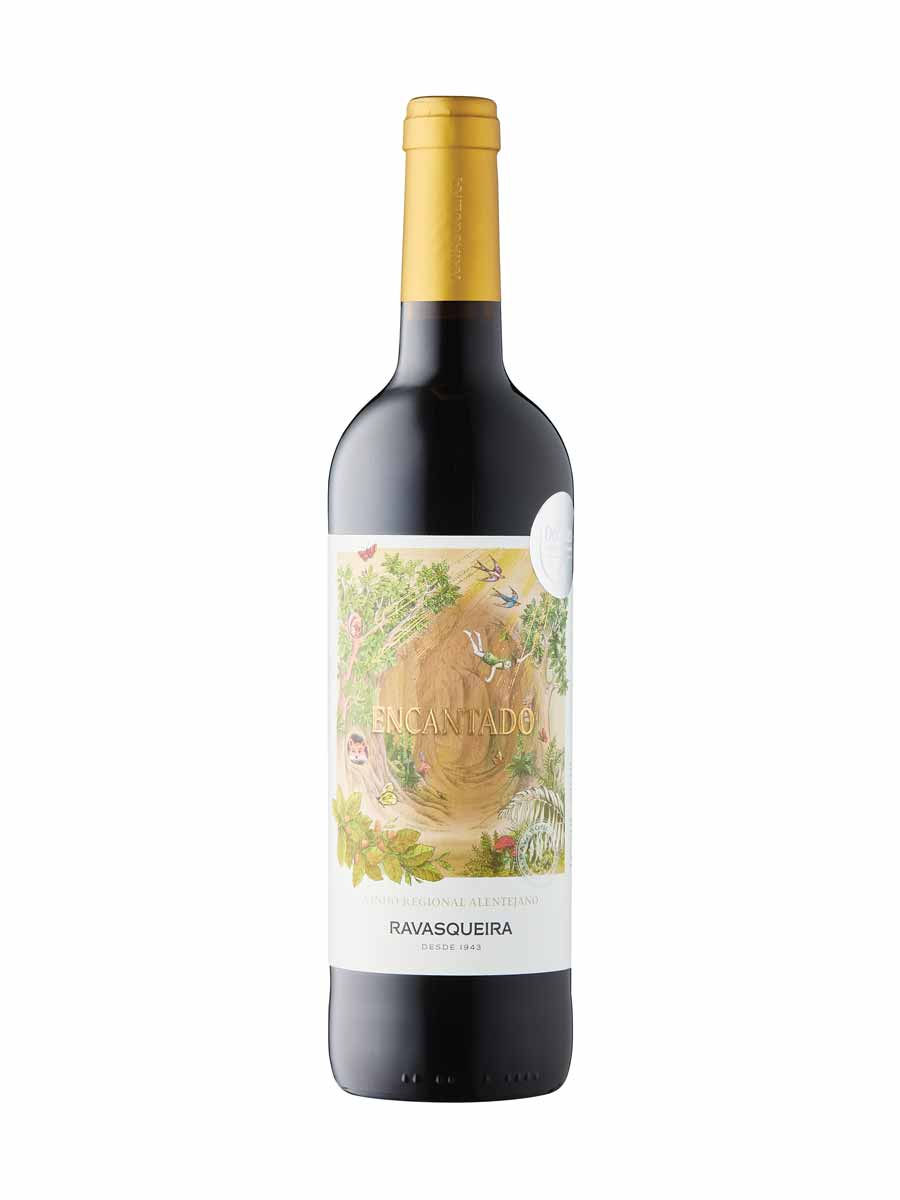
RKS PORTUGUESE WINE: Ravasqueira Encantado Red

A blend of Syrah, Touriga Franca and Alicante Bouschet.

Grown in clay-limestone soils with rocky influence of granite and schist.

The vinification of the Syrah and Touriga Franca was in open stainless steel lagares and the Alicante Bouschet in stainless steel fermenting tanks.

The blend was aged 8 months in new French oak barrels.

The winemakers were David Baverstock and Vaco Rosa Santos.

Aroma: Intense black cherry and blackberry with the new French oak giving the wine vanilla and toast.

Palate: Massive black fruit with and concentrated and long finish with a nip of white pepper. Rich, full bodied with a sweet middle palate.

Personality: Full bodied blessed with black fruit.

Food Match: Chicken Cacciatore.

Cellarbility: Consume by 2027-year end.

Price: $18 CDN.

RKS PORTUGUESE WINE RATING: 91/100. Wine Align 88.

Tasted 1May2026.

(Ravasqueira 2024 Encantado, VR Alentejano, Ravasqueira Vinhos, Arraiolos, Portugal. 750 mL, 14%).

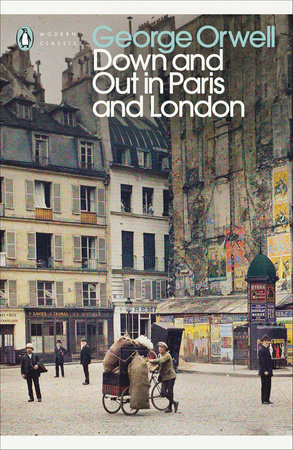
RKS Literature: In Poverty You Discover Boredom (George Orwell)

“You discover the boredom which is inseparable from poverty; the times when you have nothing to do and, being underfed, can interest yourself in nothing. For half a day at a time you lie on your bed, feeling like a jeune squelette in Beaudelaire’s poem. Only food could rouse you. You discover that a man who has gone a week on bread and margarine is not a man any longer, only a belly with a few accessory organs.”

George Orwell, “Down and Out in Paris and London”, 1933.

RKS Japanese Literature: Making the Yellow Man Believe in the White Man’s Yellow Peril (Nagai Kafū)

“Here, then, is proof that cruelty to animals is an issue only to a few Christians, not a pressing problem for the whole of Japanese society. Is this a matter for grief or celebration? Witnessing these scenes only deepens my sense that the Japanese are a warlike people who are sure to defeat the Russians once again in the future. Oh patriots set your minds at ease. As long as you can make a yellow man like me believe in the white man’s Yellow Peril, you should feel free to go on cursing your wives, oppressing your children and giving three cheers for the empire with glasses held high.”

Nagai Kafū, “Behind the Prison”.

RKS Literature: In Poverty You Discover Hunger (George Orwell)

You discover what it is like to be hungry. With bread and margarine in your belly, you go out and look into the shop windows. Everywhere there is food insulting you in huge, wasteful piles; whole dead pigs, baskets of hot loaves, great yellow blocks of butter, strings of sausages, mountains of potatoes, vast Gruyère cheeses like grindstones. A snivelling self pity comes over you at the sight of so much food. You plan to grab a loaf and run, swallowing it before they catch you; and you refrain, from pure funk.”

George Orwell, “Down and Out in Paris and London”, 1933.

“Lost in Puppydom: Rory Dylan Stephen’s Puppydom”: THE ABDUCTION OF RORY DYLAN STEPHEN: THE SWITCHEROO

THE ABDUCTION OF RORY DYLAN STEPHEN: THE SWITCHEROO

The Singapore Times Exclusive: Singapore gang connection revealed!

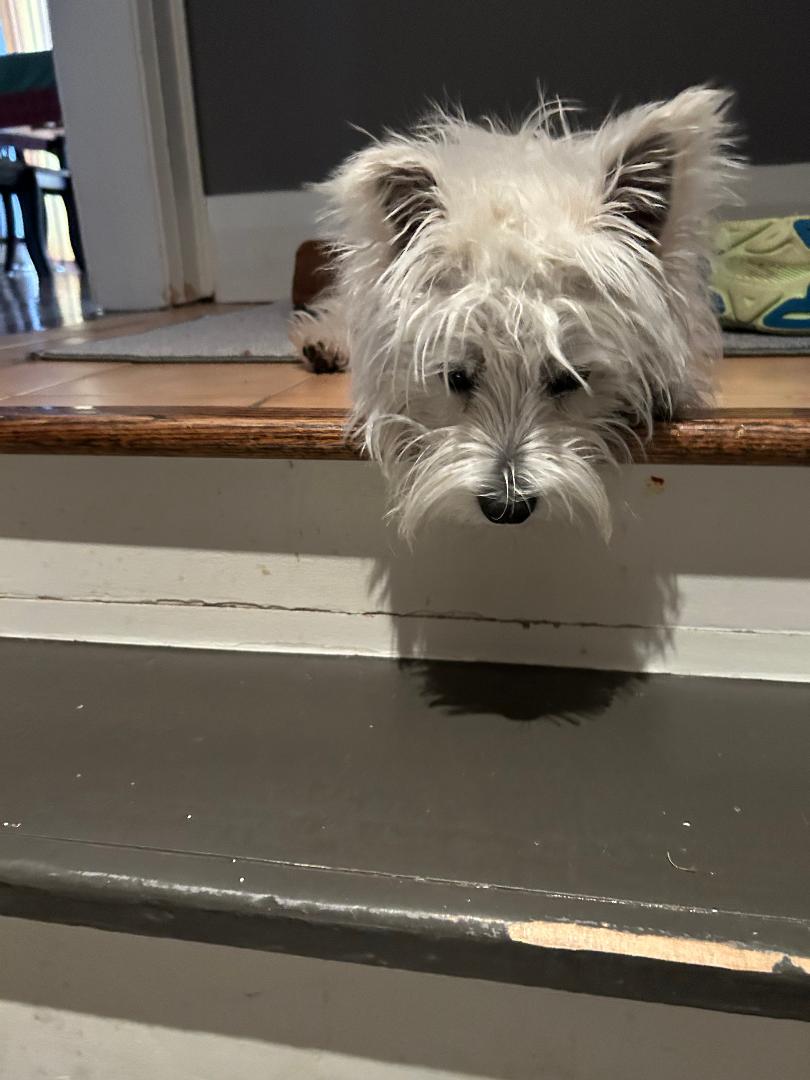
Bob and Fay realized it was time for a grooming. I might have been the hairiest West Highland Terrier puppy in Toronto.

I was taken to Guido and Wong a new canine grooming establishment in the Leaside area of Toronto.

Fay gave instructions to the groomer Jack Ruby. A puppy cut. I was matted so the puppy cut was going to make me look like a new recruit to the United States Marine Corps.

I was a naughty puppy trying to nip Ruby as I was scared shitless. Can you imagine human readers if you were being sent to the barber as a baby! They charged a “bad boy tax” due to my naughty behaviour! Please give a puppy a break!

As my cut was near its conclusion two men approached Ruby and she fell to the ground. I was taken by two burly men to a van in the rear of the establishment and placed in a crate. I was told to “SHUT UP” and if I didn’t, “You’ll be taken to Cambodia to sniff for landmines and die with the rats that do that job”.  Rats? Landmines? Cambodia? Golly gee! What does that mean. Please. Please. I want to go home with Bob and Fay!

Bob and Fay picked “me” up after the grooming and they were so shocked at the appearance of such a cute puppy being shaved to the quick they could hardly believe it was “me”.

Everyone in the neighbourhood seeing “me” being walked shared the same opinion. Fay and Bob found it a bit strange “my” mornings no longer included a beg for bagel and toast and I heard them mumbling, “Rather strange. Rory’s morning routine has bagels and toast as its centerpiece!”

As Toronto Police Services (TPS) later concluded poor Jack Ruby was chloroformed and replaced by a look a like Westie trained by the Singapore Salakau gang.

Jack Ruby, fearing a revocation of her Canadian work permit threatened by the Salakau gang failed to mention to TPS her chloroforming.

I was taken to “Family Noodle Restaurant” on Toronto’s Spadina Avenue and greeted by a Madame Fong.

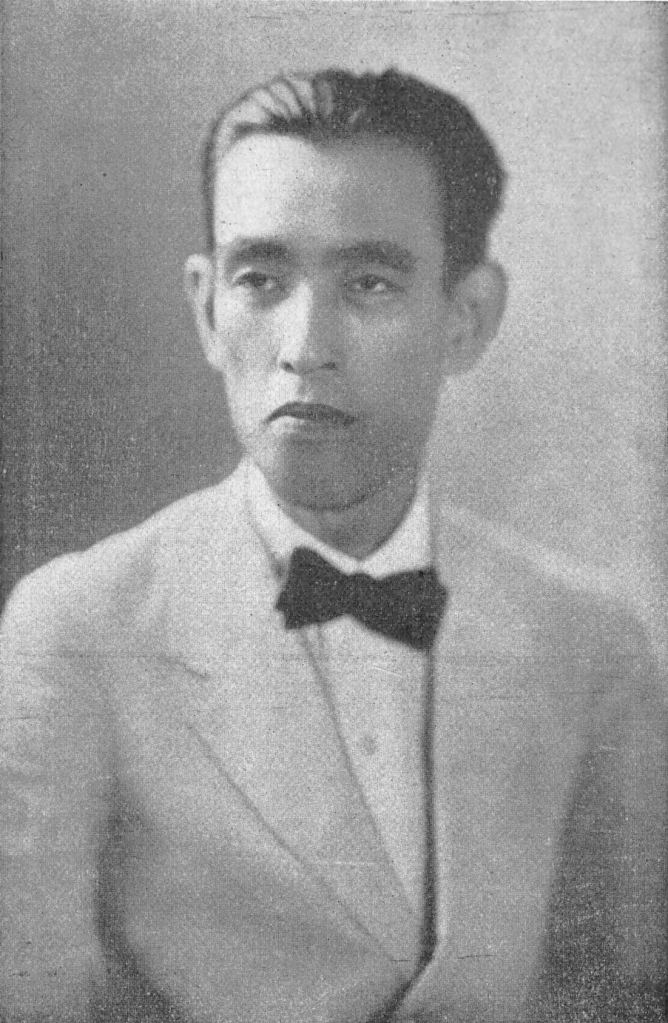
RKS Japanese Literature: A Repulsive Mess of Fish and Sorrow for the Japanese People (Nagai Kafū)

“Upon a wooden counter disturbingly overgrown with green moss sits a shallow, round sushi rice mixing bowl half filled with greasy water containing fish parts, shaved fish meat and rows of skewered shellfish that have been dried in the sun, almost all bearing price tags of ten sen or less. As far as I can see, the eyes of the dead fish are all stagnant and cloudy, the scales on their bellies have faded to a pale bluish white, and the chilled bloody edges of their sliced meat have lost so much of their freshness that the colours in each shop front are not only unpleasant but downright depressing. The sight of dripping blood used to terrify me whenever I passed a butcher shop in the West , but here, to the contrary, the thought of that this faded cold fish meat is the only source of nourishment for the blood of most of my countrymen fills me with irrepressible sorrow.”

Nagai Kafū, “Behind the Prison”.

RKS Japanese Literature: Should I Become an Artist in Japan? (Nagai Kafū)

“Should I become an artist? No, this is Japan, not the West. Far from demanding art, Japanese society looks upon it as a nuisance. Those of us with a deep-seated desire to devote ourselves to the Muses or to Venus must leave this fatherland of ours with all its stringent rules before we can begin to embrace our hearts. This would be of the greatest benefit both to the nation and to art itself.”

Nagai Kafū, “Behind the Prison”

RKS Japanese Literature: Family Ties as Oppressive and Debilitating (Nagai Kafū)

“No, nothing in this world is as oppressive and debilitating as blood ties. Any other relationship-be it with friend, lover, wife; be it obligatory or constraining or difficult-is something one has consciously entered into at some point. Only one’s ties with parents and siblings are formed at birth and are unbreakable. And even if one succeeds in severing such relationships, all one is left with is the unbearable agony of conscience. Your Excellency. I am certain you have seen sparrows that have built a nest in the eaves of your home. No sooner do the young fly away from the nest than they escape forever from this fateful shadow. Nor do the parents make any attempt to bind their offspring’s heart with morality.”

Nagai Kafū, “Behind the Prison”.